
Will you chip in to support our nonprofit newsroom with a donation today?
Yes, I want to support My MLTnews!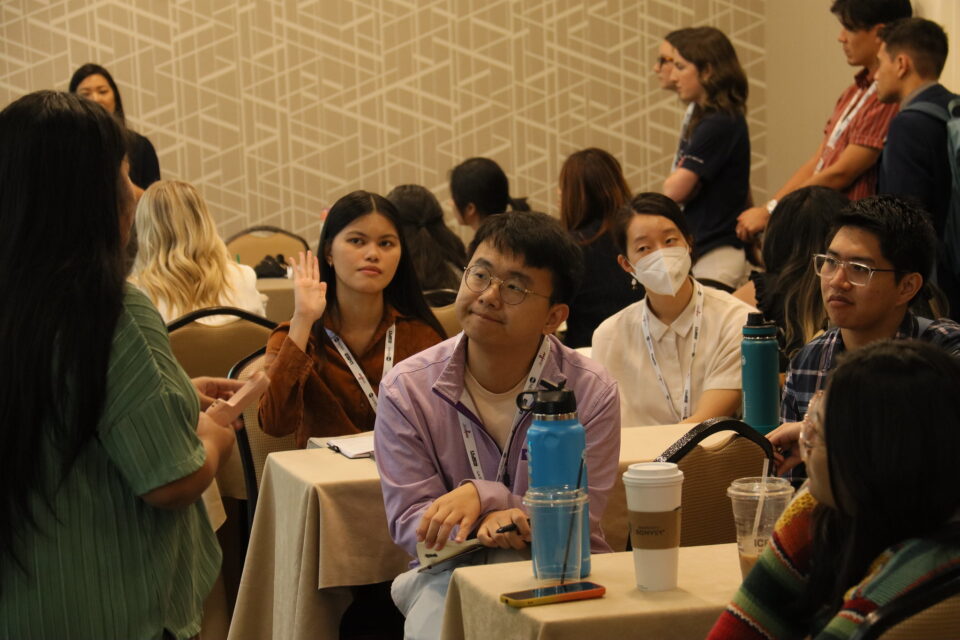
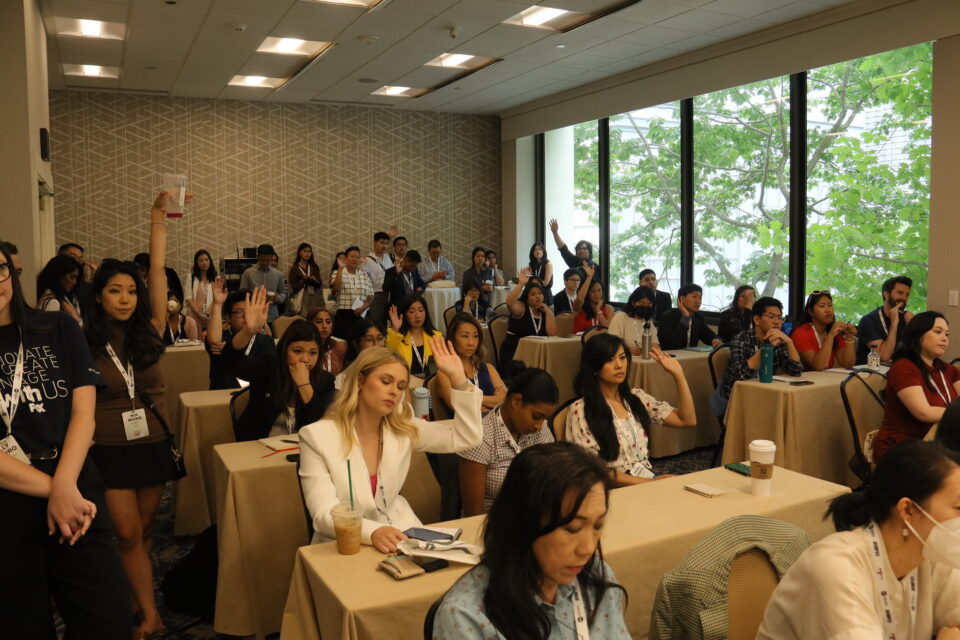
The convention, which happened from July 30 to Aug. 3 at Sheraton Grand Seattle, drew around 1,400 attendees, according to a news release from AAJA. Not to mention it has been about 26 years since the convention occurred in Washington state.
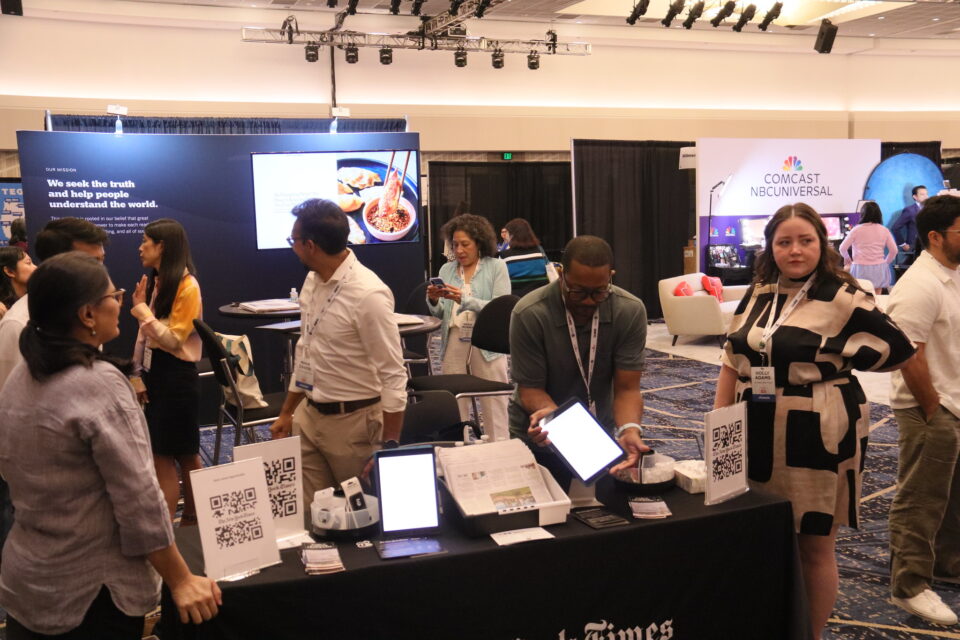
The convention showcased over 60 sessions and featured 270 speakers. Around 50 exhibitors were in attendance, and they brought along some free swag. A karaoke party on the last day ended the convention with a bang.
From Managing Editor Nick Ng:
As a first-timer at an AAJA conference, I felt as awkward as a high-school freshman at their first day of school. I didn’t know anyone, and in the first hour, it seemed like everybody was no older than age 29.
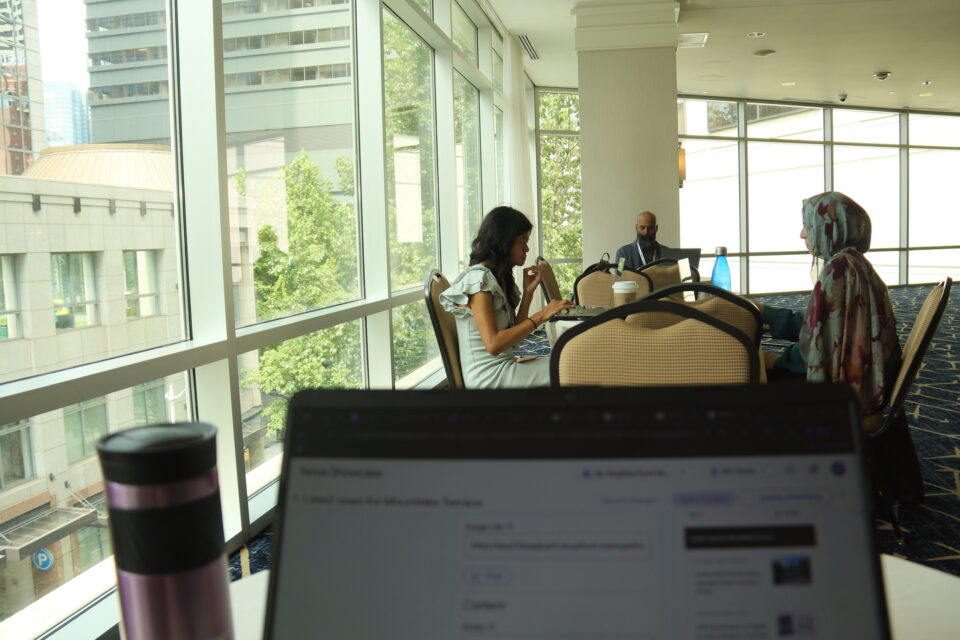
On the second day, however, I was starting to connect with more people at the panels and workshops, and that connection grew exponentially over the next two days.
For example, during an AI panel, I chatted with Pew Research sociologist Ziyao Tian about the sociologist Mitchell Duneier, who studied the lives of news vendors on the sidewalks of Greenwich Village in New York City in the 1990s. For 22 years, I had wondered who he was, but Ziyao helped me identify him. Mystery solved!
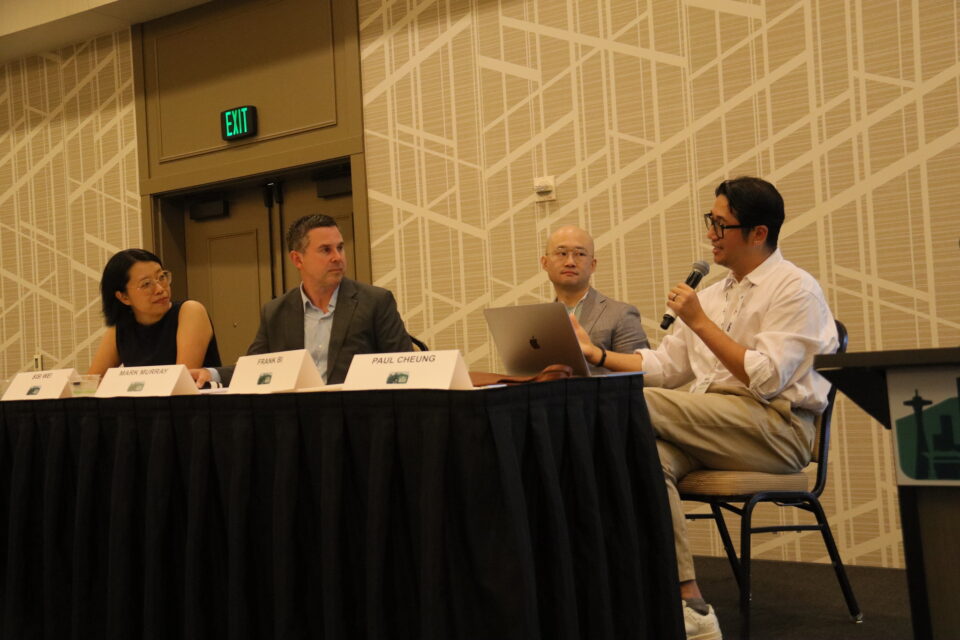
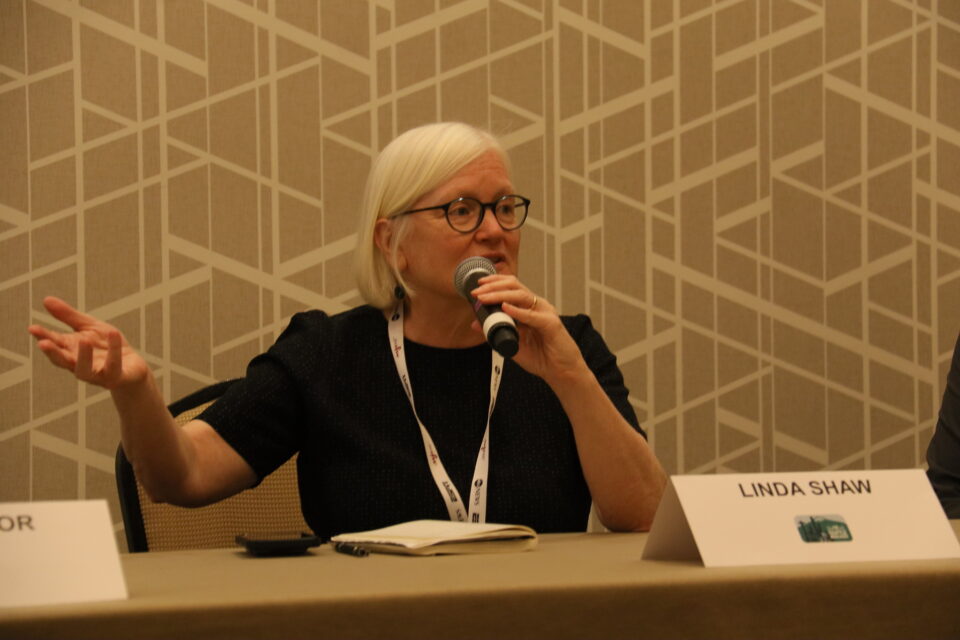
There were three major takeaways that I got from the conference. First, I find solution journalism to be a useful framework for reporting stories, as opposed to the more prevalent “problem journalism.” Linda Shaw of Solutions Journalism Network described solution journalism as “rigorous, evidence-based reporting on responses to social problems.”
“This isn’t about what someone would think should happen, or somebody’s idea about what might happen,” she said. “This is about things that are happening right now, and the impact that they’re having.”
The second takeaway is using AI as a first draft rather than as a finished piece in a story. The panelists talked about the Chicago Sun-Times, which published a syndicated summer reading list in May 2025 that listed fake books by famous authors. My eyebrows perked up for a second, and I thought, “Somebody didn’t fact check.”
Based on that panel, I’ve been using AI for small tasks, such as brainstorming ideas, organizing a list of data in bullet points and formatting a press release with links. Then I will double check the links and AP Style formatting before publishing a press release. It saves me time and eye strain from repetitively clicking and highlighting a text and adding a link to it multiple times.
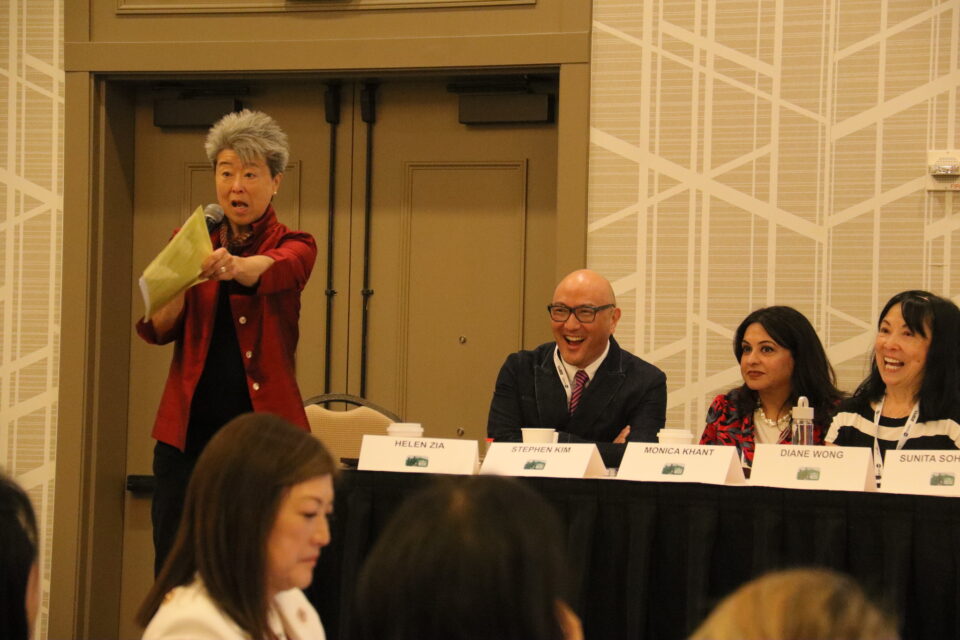
Finally, I found the AARP panel with some OG Asian American journalists to be inspiring, and that inspiration lingers today. When these folks were journalists in their 20s and 30s in the 1970s and 1980s, there were hardly any Asian American journalists in the U.S., or in San Diego where I grew up. Many Asian communities weren’t represented or reported by mainstream and local media.
These OGs, like Helen Zia and Monica Khant, have pioneered paths for future generations in the media profession. I think understanding and hearing their stories has reinforced my drive to continue to do what I’m doing.
Being surrounded by so many people who share not only similar cultural backgrounds but also the same passion for telling stories reminded me why representation matters. It wasn’t just about networking or learning new skills — it was about finding a sense of belonging and inspiration to serve the communities I write for.
I hope to attend another one next year in Minneapolis!
From Murrow News Fellow Angelica Relente:
AAJA holds a special place in my heart. It’s an organization that has had my back since I was in college. I’m grateful for the people who encouraged me to stay involved in this organization.
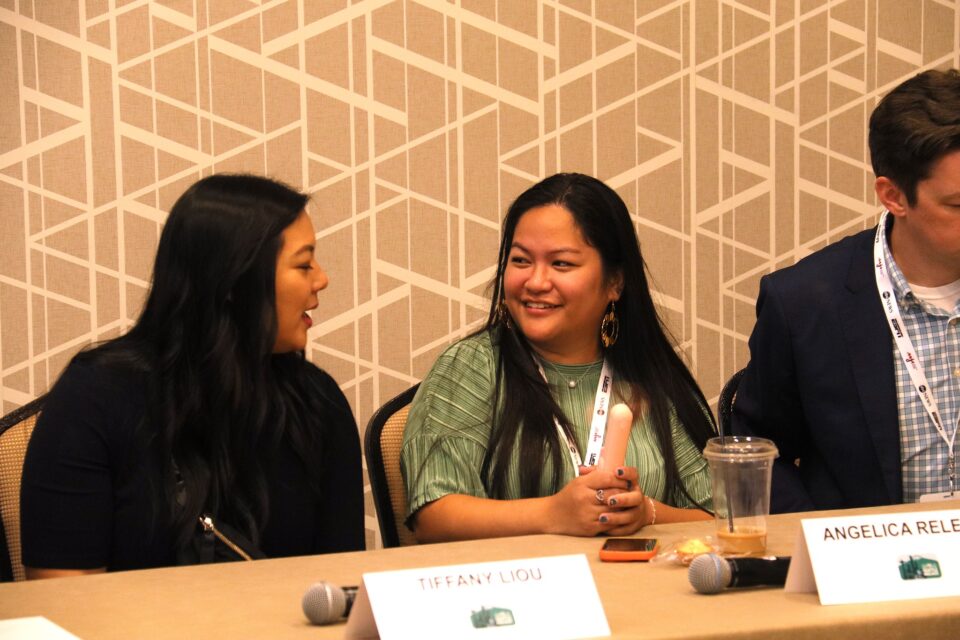
What made this year’s convention different from other conventions I’ve attended is the role I played in a workshop session titled, “Harnessing the power of local journalism to serve our communities.”
I was one of the five speakers who had the opportunity to talk about a specific topic related to journalism. I chose to speak about how to get one’s foot in the door as a newbie journalist – I thought it would be helpful to students or those on a contract position.
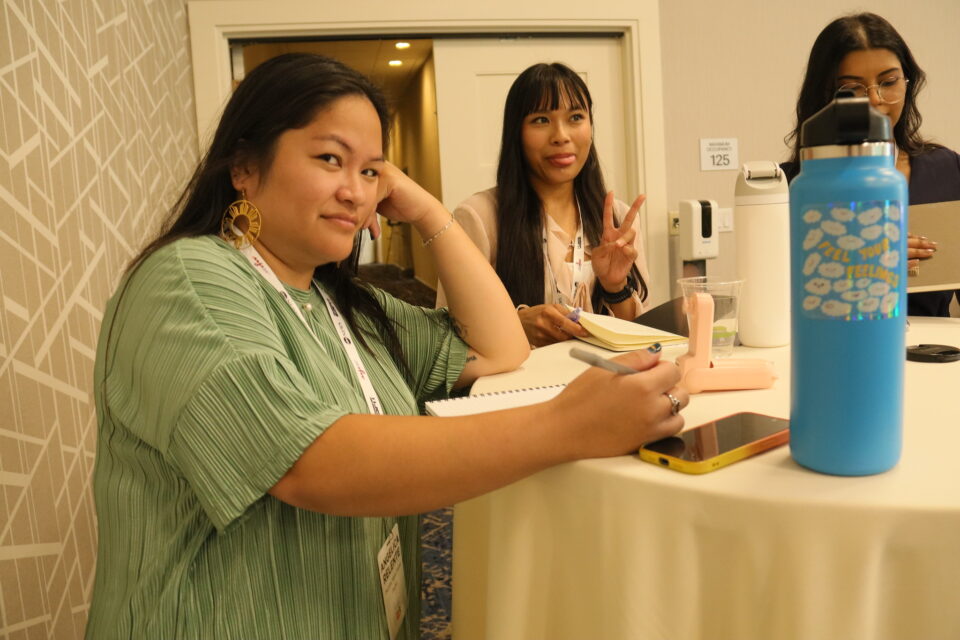
I was pleasantly surprised that a good number of people flocked to my group. There were some college students and some interns. They asked great questions and listened intently, which is something I usually do, not the other way around.
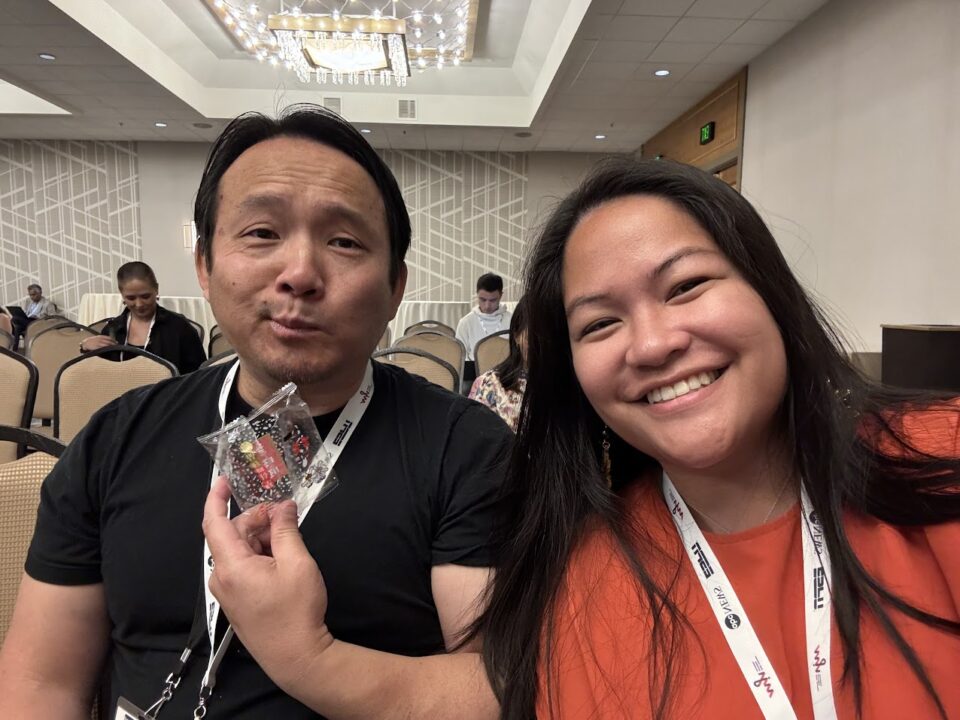
In total, I attended 13 sessions throughout the duration of the convention. I attended one about solutions journalism and another about what journalists can learn from content creators. I’m excited to share what I learned with my colleagues.
I like to say that I’m an introvert by nature. This convention drained almost all of what I had in my socializing and networking bars. Thankfully, I have about a whole year to recharge until the next AAJA convention.
See you soon, Minneapolis!


Real first and last names — as well as city of residence — are required for all commenters.
This is so we can verify your identity before approving your comment.
By commenting here you agree to abide by our Code of Conduct. Please read our code at the bottom of this page before commenting.