
Will you chip in to support our nonprofit newsroom with a donation today?
Yes, I want to support My MLTnews!
While most gardeners celebrate the honeybee and mason bee, there is a larger, fuzzier, and arguably more valiant figure buzzing through our gardens in early spring.
Unlike honeybee queens, who are pampered by thousands of worker bees throughout the winter, the bumble bee queen starts her year completely alone. The resilient queen bumble bee builds her kingdom from scratch, typically in March and April. She is a single mother on a mission that brings life to our gardens and plants.
After spending the winter buried deep in the soil, tucked under leaf litter, or sheltered in small ground cavities where she has been dormant and protected from harsh winter weather, the bumble bee queen emerges as the sole survivor of her ancestral line.
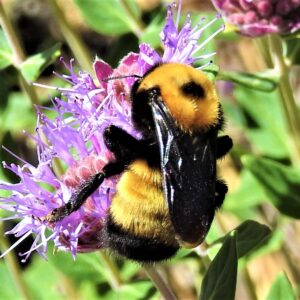
From this single queen, an entire colony will form; they will work throughout the summer and eventually produce the next generation of queens who will carry the species forward.
When she first crawls out of the earth in early spring, she is hungry and determined. Her first task is to find a source of nectar to give her energy for the task ahead. If you look hard, you may see the queen zigzagging low over the ground as she feeds on the first willow catkins, flowering currants, Oregon grape, snowdrops or crocuses of the season. Native plants are especially valuable because local pollinators evolved alongside them.
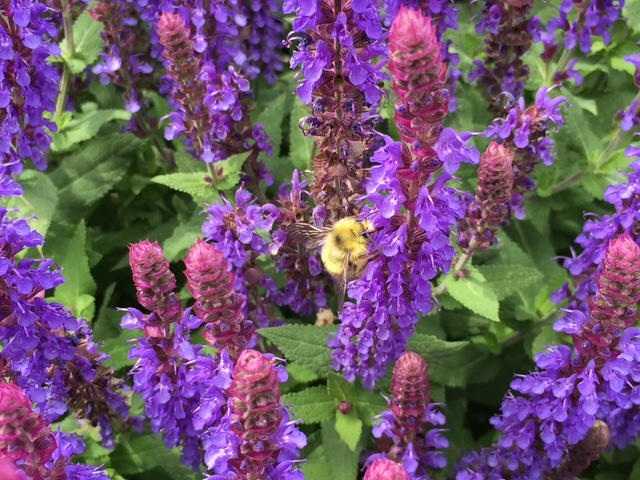
Once she’s energized, the queen starts looking for a nesting site. The bumble bee queen will look for a hidden space, such as an abandoned rodent burrow, a hollow in dense grass, a compost pile or even a small cavity in a shed or barn.
Once the perfect space is found, the queen forms a small wax cup and fills it with nectar. She also creates a mound of pollen and wax, which is where she lays her first eggs. The queen will keep her eggs warm by sitting on them (like a bird) and vibrating her wings to generate heat.
The eggs hatch into larvae, which the queen feeds with pollen she collects from nearby flowers and trees. During this time, she does all the work alone – gathering food, maintaining the nest and protecting her developing brood.
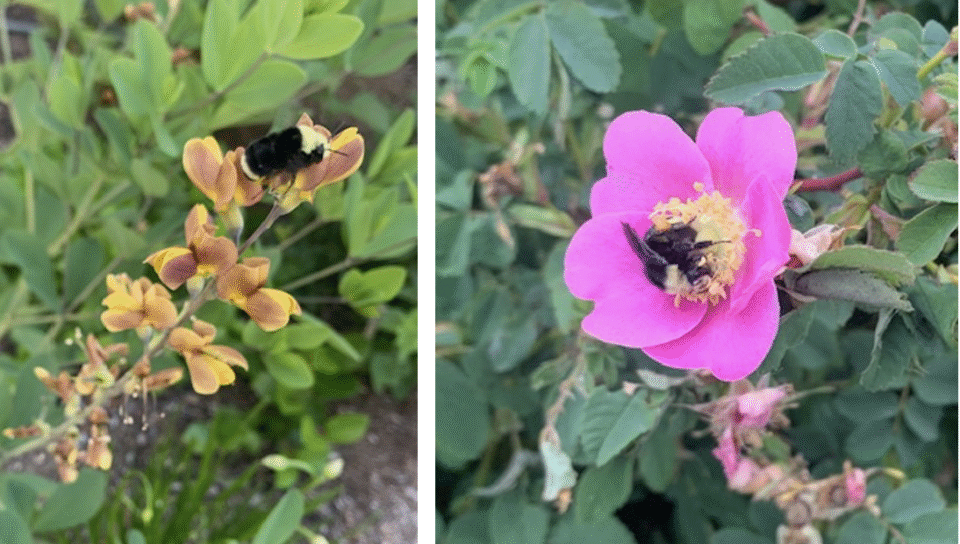
After a few weeks, the first worker bees emerge to take over the daily task of gathering pollen and nectar, allowing the queen to remain in the nest and focus on laying eggs. By mid-summer, the colony has grown, and the hive is bustling with activity as the bees pollinate our gardens and flower beds.
Sadly, our bumble bees face real challenges. Habitat loss, pesticides, climate change and disease have contributed to declining populations of several species across America.
In Washington, some native bumble bees that were once common are now rarely seen. Spring is the perfect time for gardeners to support the humble bumble bee by planting a variety of flowers that bloom at different times of year. Early-season plants are especially important since the emerging queens depend on them for survival. Other ways to support our bumble bees are to “leave the leaves” and resist the urge to deep clean your garden in early spring.
Do gardeners need to worry about being stung? Rarely. The males can’t sting but the queen and female workers can when their nest is disturbed. Which spelling is correct: bumble bee or bumblebee? Both are generally accepted, but beekeepers (or is it bee keepers?) insist on bumble bee.
The Puget Sound region is home to more than a dozen native bumble bees, most of which belong to the genus Bombus. The five most common are:
The Yellow-Faced Bumble Bee (Bombus vosnesenskii): The undisputed heavyweight champion of the West Coast. Bold, black, and rocking a bright yellow headband, these are the most common visitors to Puget Sound gardens.
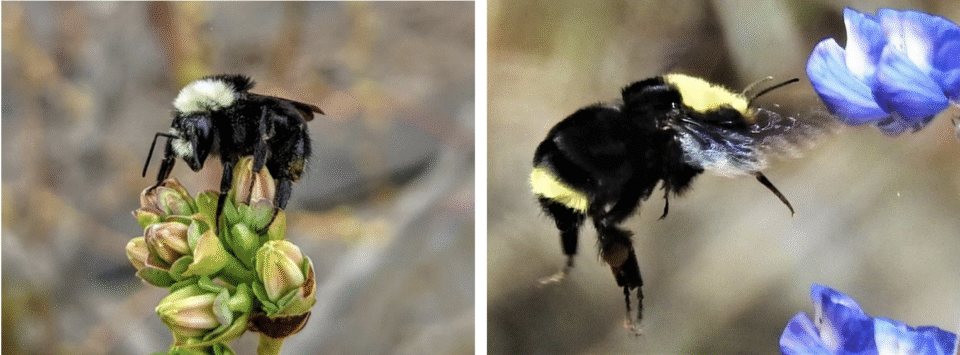
The Fuzzy-Horned Bumble Bee (Bombus mixtus): A smaller, fluffier friend with a distinctive orange-tinted “bottom.” They are the early birds of the bee world, often seen out while the morning mist still clings to the Puget Sound.
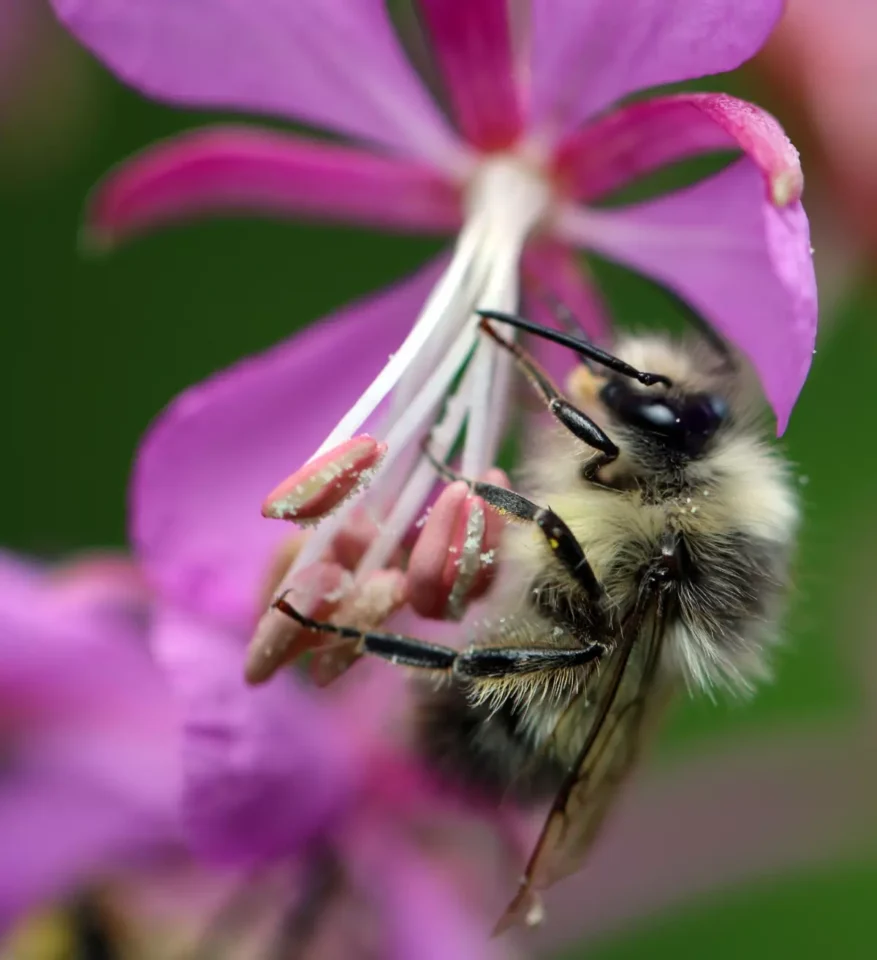
The Black-Tail Bumble Bee (Bombus melanopygus): Look for the flashy red-orange band across the abdomen. They are high-energy pollinators that love native salmonberry blossoms.
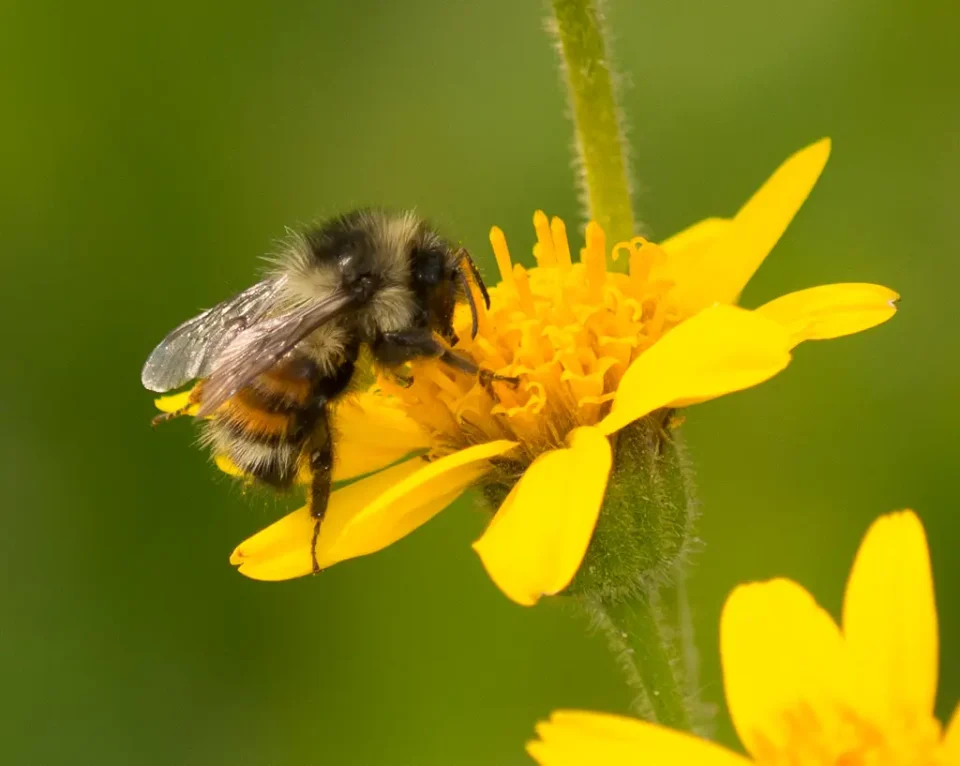
The Vancouver Bumble Bee (Bombus vancouverensis): A local favorite recently recognized as its own distinct species. It’s a reminder that even in a paved city, biological discoveries are happening right in our flower beds.
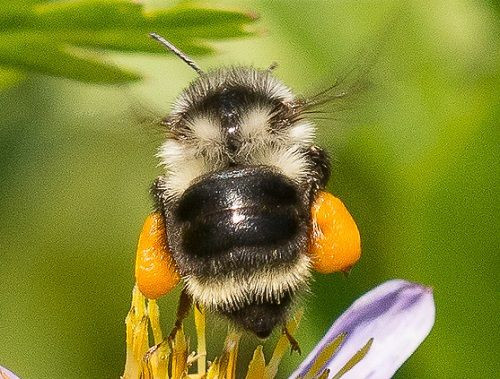
The Western Bumble Bee (Bombus occidentalis): Once thought to be disappearing, sightings have been popping up in community science surveys across the Pacific Northwest in 2024 and 2025 — a sign that the tide may be turning.
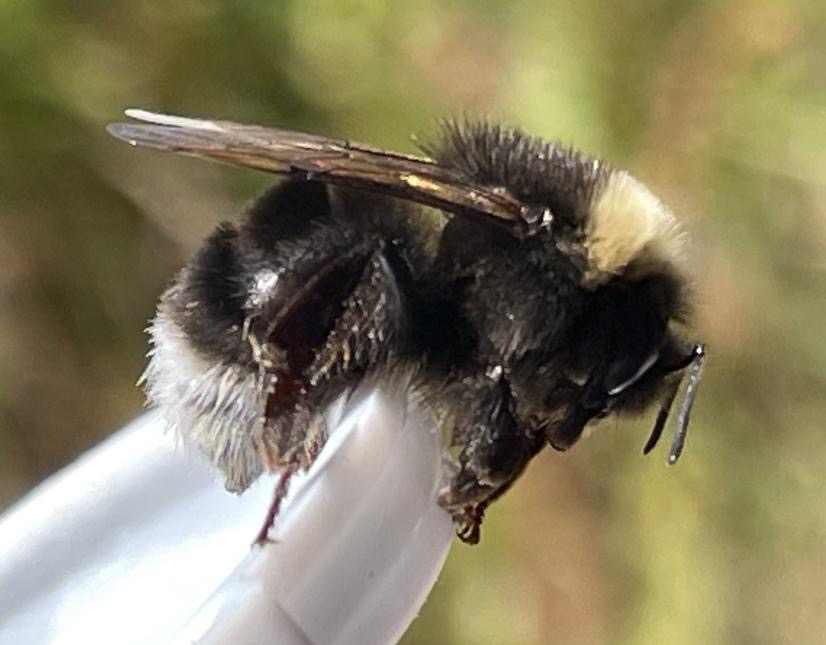
As you tend your garden, care for the flower or vegetable containers on your balcony or take a walk through a local park, keep a look out for our native bumble bees.
Joan Ward is a Snohomish County Master Gardener and nature enthusiast. She enjoys volunteering with organizations such as Floretum Garden Club and Edmonds in Bloom.


Real first and last names — as well as city of residence — are required for all commenters.
This is so we can verify your identity before approving your comment.
By commenting here you agree to abide by our Code of Conduct. Please read our code at the bottom of this page before commenting.