
Will you chip in to support our nonprofit newsroom with a donation today?
Yes, I want to support My MLTnews!The more one gardens, the more one learns. The more one learns, the more one realizes how little one knows – Vita Sackville-West
As I plan my coming garden for the year, Sackville-West’s words come to mind. Am I a designer of sorts? Am I an admirer? That I am.
For planning a garden, we can give ourselves grace, as the gardeners who set out before us came from their own place of exploration. Whether you have a grassy yard, a couple of planters or an established garden, gardening provides a living canvas for you to express your own designs. You’ll enjoy the process of trial and error, especially if you respect the limits of nature’s handiwork.
While there are infinite ways to design a garden, garden rooms are one way to organize your outdoor space.
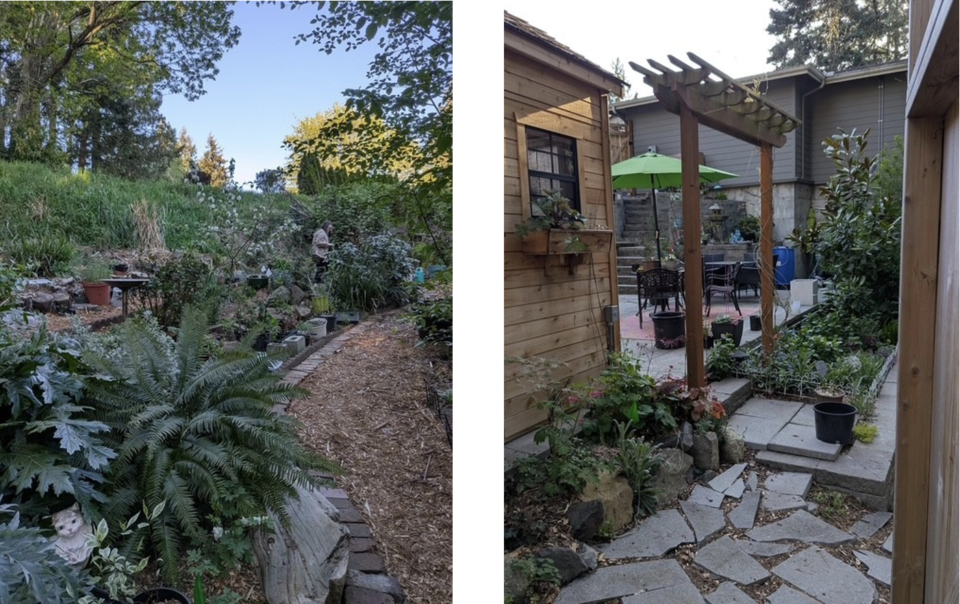
The concept of garden rooms dates to antiquity but became notably popular in the 17th and 18th centuries in England and France. By creating separate interconnected spaces within your garden, you can craft an emotional journey that draws your visitors into an enchanting experience.
Each room offers a unique space and feeling, whether a table and chairs to enjoy a cup of tea, a fountain with a soothing rush of water or different palettes you create by combining your favorite plants. The journey through the garden will be even more enticing if you provide a peek from each room into the next; it creates anticipation for what’s to come.
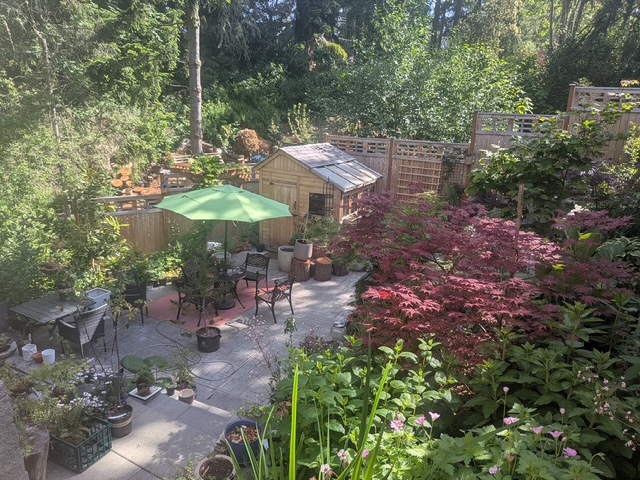
The English tradition calls for hedges mixed with flowering deciduous trees above and a perennial base below; alternatively, a mix of trellises, arbors and climbing vines create the structural “walls” of garden rooms, often with gateways separating the spaces.
Gravel, arbor chips, walking stones, annuals and groundcovers enhance your wandering pathways. Whether you like narrow corridors or wide-open spaces, you can give each space its own function: a sitting area around a fire pit, a hammock buttressed between two evergreen trees or even a koi pond or stream to invite relaxation and mesmerize visitors.
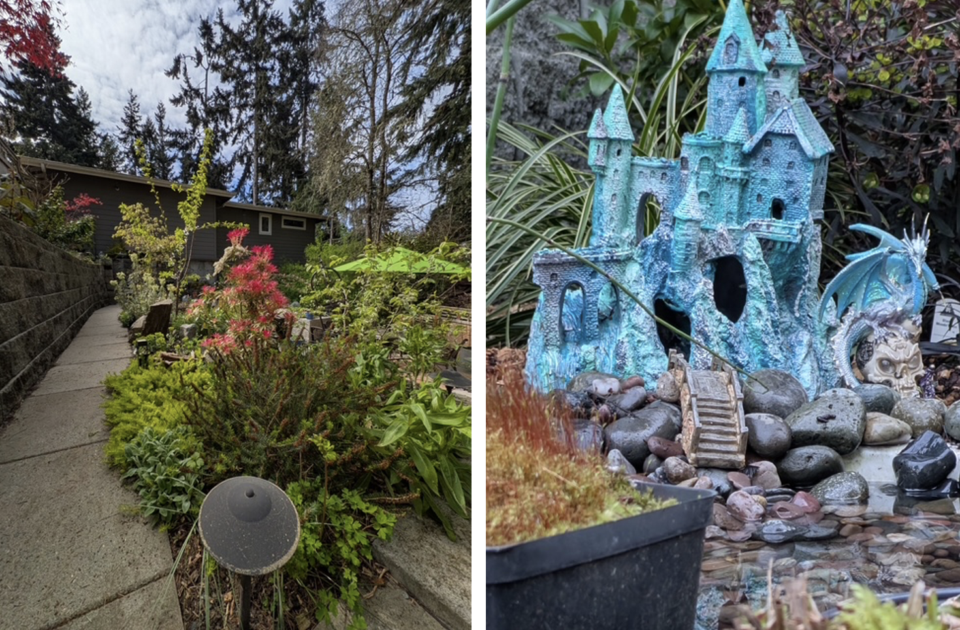
In the Pacific Northwest, we are blessed to have mild winters and ideal summers, allowing for a wide variety of shrubs, trees and colorful flowers you can pull together to build rooms that are enjoyable year-round.
A single room in your garden can change character completely with the seasons; from the ephemeral daffodils trumpeting in spring, to the eye-popping blooms of dahlias in summer to the magnificent yellows, oranges, and reds of Japanese maples in fall.
In my garden, my husband Jeremy and I started with a blank canvas after a treacherous windstorm took down a huge madrone tree and sheared the branches from a large Douglas fir. It opened up a new space for what would become our garden.
As we started out, we had no idea what was before us, but we gradually started building out new rooms as we went. Our early inclination was to build some retaining walls to hold up a hill and provide level spaces for planters, then we added a patio sitting area to hem and haw about how to fill those planters.
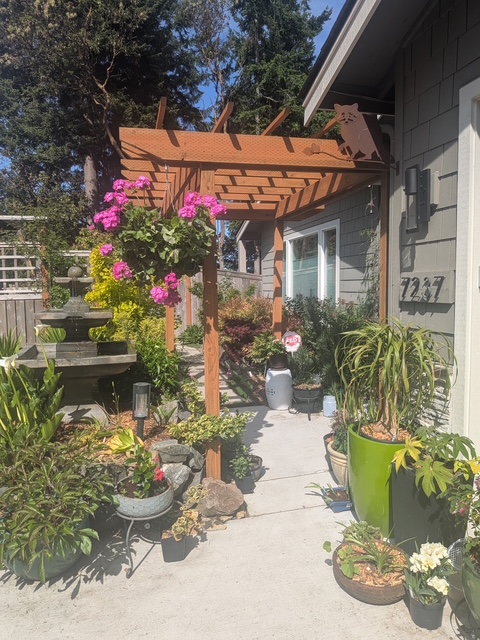
As we added shrubs, trees and flowers to the planters, we then realized a cedar greenhouse would not only add character to the space but would also protect our delicate plants over the winter. This room came to be known as “The Glen,” a sunken garden where the natural hillside shows off awe-inspiring plants cascading down from the terraces above.
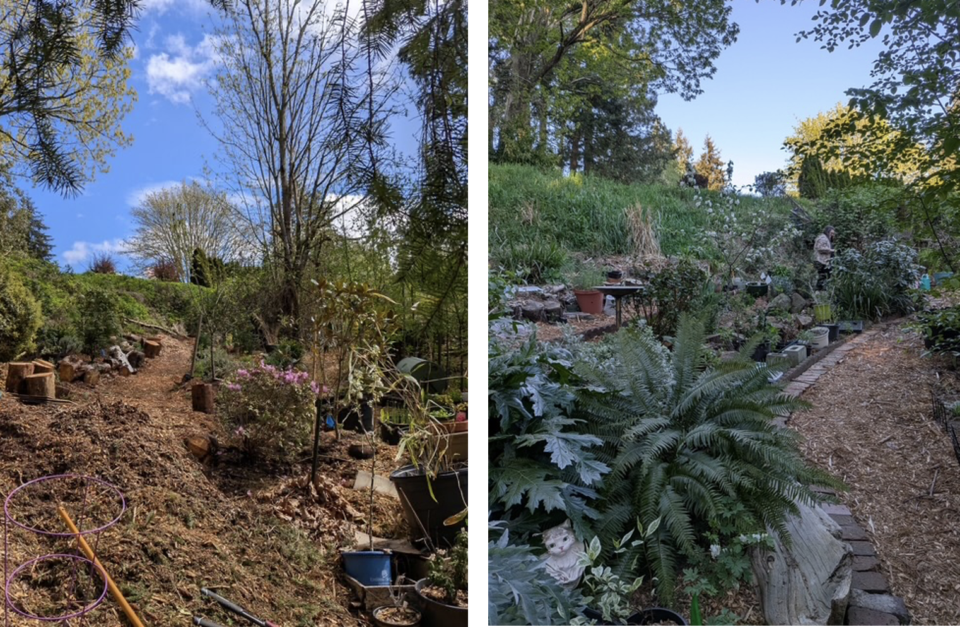
For our next endeavor, we built a working space behind “The Glen” near a volunteer grove of alder trees. The small workbench sits atop pavers, and the lean-to pergola — aptly named the “Alder Hut” — provides a quaint shelter from the rain.
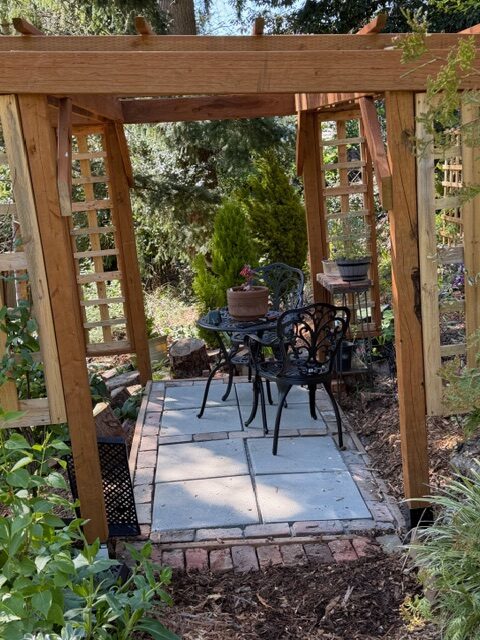
Then we plotted adding small nursery spaces for our next project we named “The Auxiliary.” The Auxiliary started as a sprawling fortified hillside of barbwire-esque blackberry bushes — a daunting space of jagged pinpricks as we painfully reclaimed the space into a usable area.
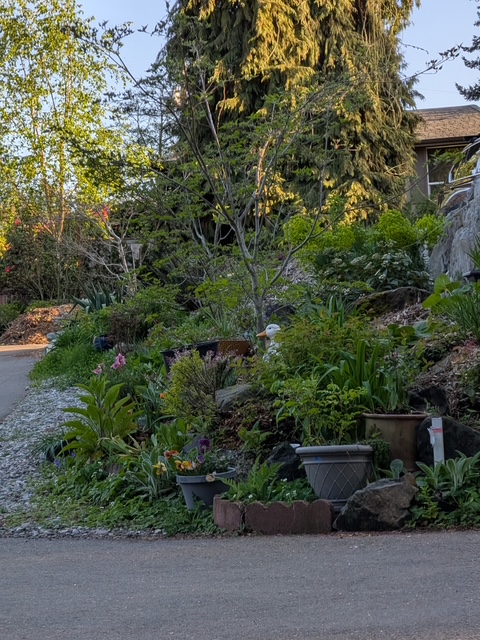
Foot-by-foot we pushed back the blackberries through a war of attrition, filling the space with woodchips, mulch, and gradually filling it with more sustainable plants and intertwining paths. As the war with the thorny blackberries neared its end, we contemplated a new space to celebrate our victory over our formidable opponent.
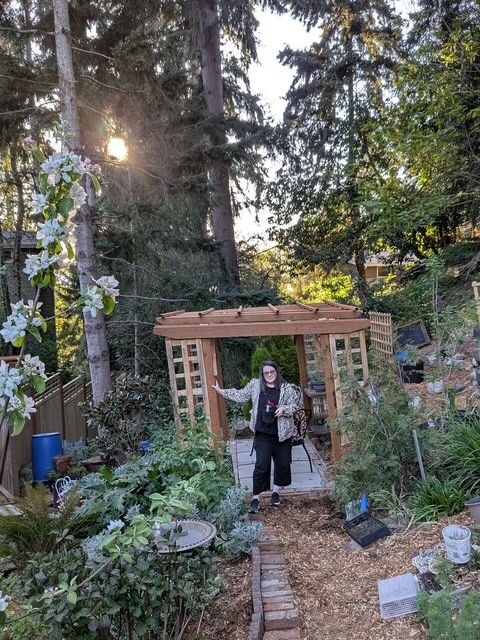
Realizing that we had a newly flattened area along the intertwining paths up the hillside, we decided to build a Japanese-style arbor with a brick-and-paver platform. The arbor incorporated trellis wings, allowing Lonicera Harlequin, clematis Nelly Moser and trailing grape vines to climb and spray flowers throughout.
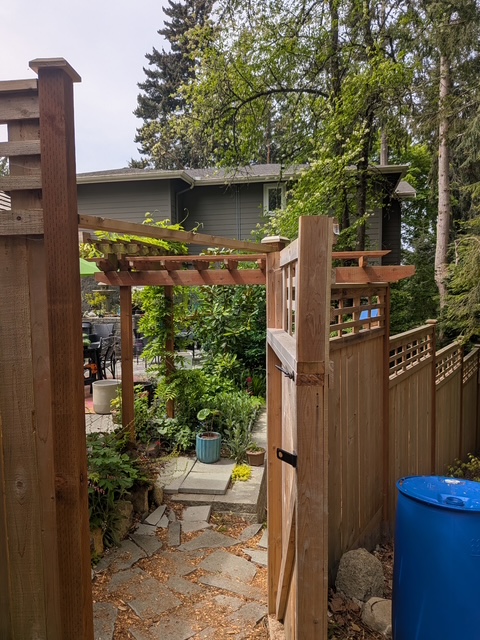
Surrounding the enclosure with beautiful, fragrant lilac varieties, it is a relaxing spring space we have come to call “Lilac Square.” As the blooms of spring shed into summer, “Lilac Square” sits downhill from a cut-flower garden of dahlias, mums and other pop-in annuals.
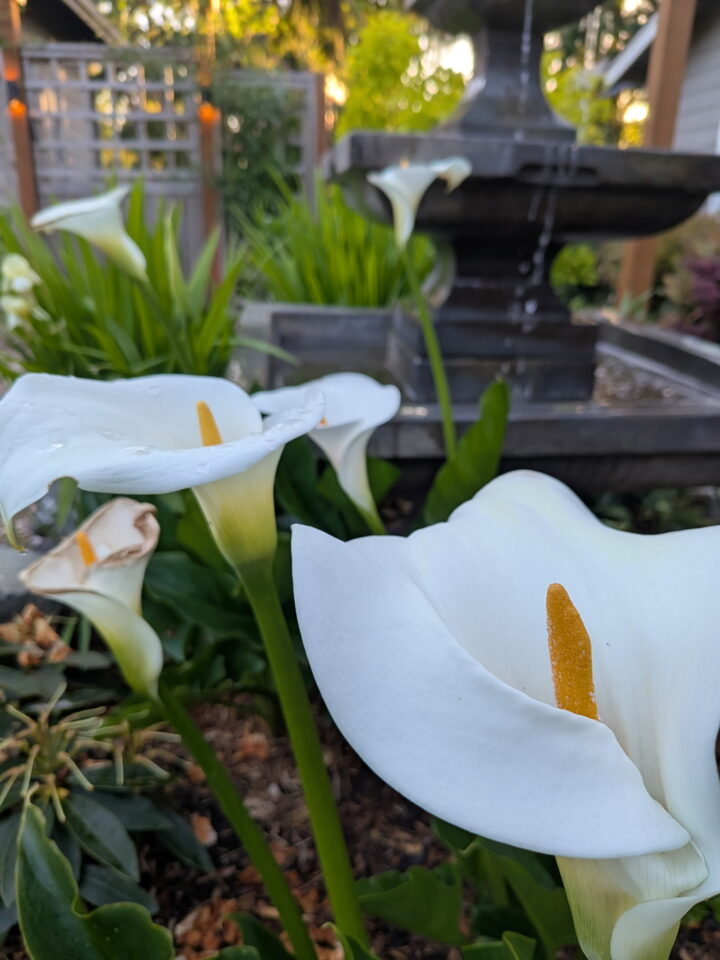
Whether you are lining an apartment balcony with a variety of potted plants, etching out an area to build a zen garden or training a hedge maze on a sprawling estate, organizing your garden into rooms will create a real sense of intentional, artistic design.
 Melissa Hanni is an Edmonds resident and Master Gardener volunteer. She enjoys frequent garden adventures and spending time with her husband and three canine children. To see more of Melissa’s garden adventures, follow her on Instagram @selfcare_indeed.


Real first and last names — as well as city of residence — are required for all commenters.
This is so we can verify your identity before approving your comment.
By commenting here you agree to abide by our Code of Conduct. Please read our code at the bottom of this page before commenting.