
Will you chip in to support our nonprofit newsroom with a donation today?
Yes, I want to support My MLTnews!
This is the latest in our “Health Matters” series focused on health topics in South Snohomish County and sponsored by the Verdant Health Commission. Read past articles in this series here.
Regional trends show promising decline, but youth face a disproportionate toll
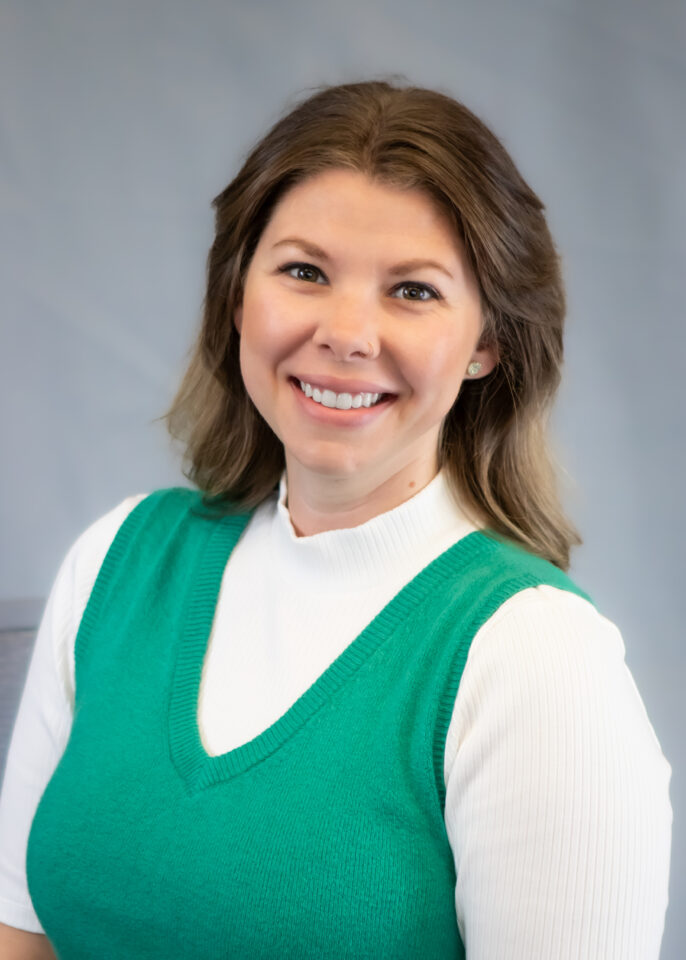
On an autumn day, public health specialist Carlie Deatherage visited the Snohomish County Jail to ask inmates about guns. She wanted to know everything: where people purchased firearms, how they used them, and the ways weapons infiltrated their daily lives.
Deatherage and health advocate Robin Fenn sat at lunchroom-like tables and listened as 18 people shared their experiences. Some described buying illegal handguns for as little as $50 on the street.
“Folks were saying it’s as easy as getting candy if you have cash,” said Fenn, the manager for the Sound Foundation for Public Health, a nonprofit that supports local health funding.
The effort to understand gun use in the county coincides with the Snohomish County Health Department’s new initiative to gather firearm-related injury and death figures. In addition, the county received a state grant to collect community input, insights that will be key in addressing this public health concern.
“People are fearful of the gun violence they’re hearing about on the news, of sending their kids to school,” Deatherage said.
Reducing that violence does not mean taking away someone’s right to legally own a firearm, she emphasized. Instead, the initiatives will focus on steps like addressing the disproportionate toll of gun violence on local adolescents.
“When we start talking about firearm violence, people start feeling defensive,” she said. “We’re all working together to make our kids and community safer. We’re most likely more aligned about the big picture ideas than we are different.”
What the data reveals
Last year, Snohomish County embarked on a mission to quantify the health toll of firearms. Public health officials analyzed emergency department and death certificate data to identify trends and understand which populations are the most impacted.
There is some promising news: In 2024, deaths and injuries from firearms declined, after peaking the prior year. In 2023, 97 people died from firearms in the county, a number that dipped to 73 in 2024. Though the numbers aren’t finalized, that downward trend has persisted into 2025. The reasons behind that recent reduction are still being explored, though the drop mirrors a broader regional decreases in violent crime.
Beyond the overall trend lines, the data offers important insights on who is most impacted. In the Snohomish County, males accounted for 89% of the 644 firearm-related emergency room visits between 2019-2024 — a rate nearly 10 times that of females. Males also represented 83% of the firearm-related deaths during that period, or 407.
Another noteworthy finding: Young adults have the highest rates of both emergency department visits and deaths, but older adults are more likely to die from firearm injuries. For example, people 60 and older accounted for just 8% of the non-fatal visits to the emergency department, but 26% of the firearm-related deaths. That data may hint at the role of suicide in that population.
There are racial disparities, too. Black non-Hispanic residents experience the greatest overall rate of firearm-related emergency visits, more than quadruple the rate of white non-Hispanic residents.

In the future, the public health department aims to further disaggregate the data, said epidemiologist Peter Maier, who specializes in injury and violence reduction. For example, among those younger populations, how many incidents are related to suicide vs. assault? And how many people dying by suicide are from marginalized populations such as the LGBTQ+ community?
Maier is also interested in seasonality, or whether figures spike during certain times of year. Adding emergency medical services (EMS) data could highlight hotspots where the incidents happen, such as a particular empty parking lot. That knowledge could inform future efforts to curtail violence.
“We need to dive deeper into the data to tell the story,” he said.
Incorporating lived experiences
Telling that story will depend on community voices.
As part of the nearly $100,000 state grant, a group of about a dozen community members last year joined a Community Safety Council. The participants, ranging from people with had lived experience with gun violence to leaders of youth-oriented nonprofits, are planning programs and outreach to reduce firearm injuries and death, especially among area adolescents.

That goal resonates with Lynnwood resident and community council member Jamar Glenn. He served nearly 19 years in prison after killing someone in a gang-related incident when he was 16. As he reflects on his life, Glenn describes factors that led him on that path, from drug dealing in his family to being influenced by the wrong people.
“There has to be a different way,” he said. “We have to break these curses, these strongholds.”
Glenn also understands what it’s like to lose a child. His 5-year-old son died from cancer, a devastating experience that led him to helping at-risk adolescents.
“I made him a promise – I wasn’t going to go back to prison, and I was going to do everything I could to help the kids in my position to put the gun down,” he said. “What do we need to start changing this narrative, so this doesn’t happen to someone else’s kid? I turned my pain into a purpose.”
Now, Glenn works in drug and alcohol counseling, guiding individuals who are coming home from prison. He also speaks to kids who are already experiencing school suspensions and could be heading down a road that feels troublingly familiar.
“Let’s just give them a safe space to get them to trust me, and allow me to share my story,” he said. “It’s building that foundation of trust first, then changing how they think and how they view the world. It can be done.”
Safe storage is vital
Glenn also sees a need for community conversations about securing firearms. As a child, he noticed everything – including where the guns were stashed.
“There’s no reason a kid should see a gun just laying around the house,” he said.
Locally, the ease of accessing guns was explored in the most recent Washington State Healthy Youth Survey, which asked area students: If you wanted to get a handgun, how easy would it be for you to get one? More than 20% of 12th graders in Snohomish County said it would be sort of easy or very easy. About the same number of participants also said they would not be caught by a parent if they carried a gun without their permission.
Breaking the stigma around conversations about guns and storage could go a long way in preventing accidental injuries, Deatherage said. Parents may delay or avoid discussion about guns, but kids are more aware than they think – especially when it comes to parents’ own guns, she added.
“A lot of times parents think they’re being sneaky,” she said. “But we’ve heard from kids: They know their family has firearms and they know where they’re kept.”
Ideally, open conversations around guns at other people’s homes would be as acceptable as asking about their policies on screen time.
She’s also hopeful about the impact of promoting safe gun storage in cars. Locking a gun in a secure container that’s tethered to car makes it less likely to get into the wrong hands. Even better: Skip the vehicle altogether.
“Your car isn’t the ideal spot to store your firearm,” she said. “Take it inside and put it in your safe.”
Easy access to illegal guns
More broadly, the group hopes to understand and ultimately reduce easy illegal access to firearms among area youth.
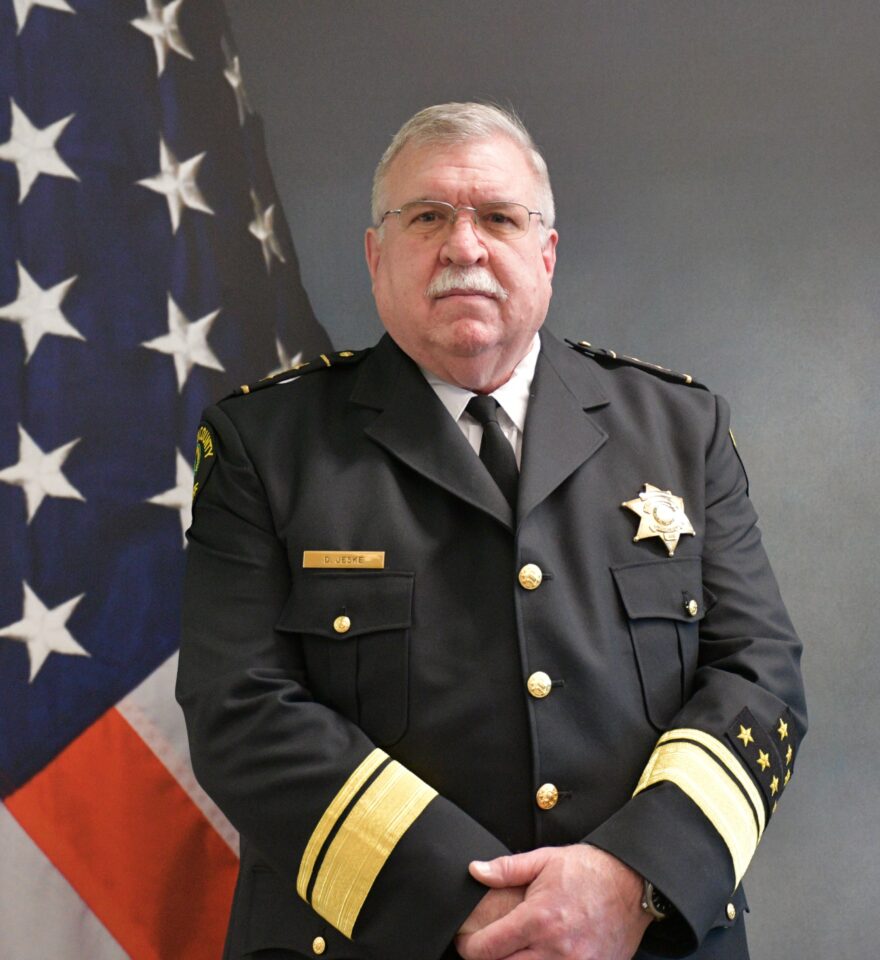
Doug Jeske, the undersheriff for the Snohomish County Sheriff’s Office and a co-author of the state grant, has witnessed the impact of firearm violence on young people. Many of the felony shootings involving youth are gang-related, with retaliatory shootings common scenarios, he explained. The firearms involved in the violence are often handguns and typically not bought lawfully, he added.
“They’re being purchased and obtained on the street,” he said. “People steal them and sell them. None of the laws in place for firearm purchase pertain.”
Those sentiments were echoed in the recent jailhouse conversations. Deatherage said. Inmates described established word-of-mouth networks of people who sell drugs – and supply firearms. They also detailed the profound impact firearms can have on local youth, and how their prevalence can change the course of someone’s life. For example, having a gun can dramatically alter what might have otherwise been a physical fight.
“Inmates interviewed really wanted to educate young people that this might feel good for you right now, but you need to understand the lifelong consequences of what this gun can do,” she said. “Carrying or using a gun can impact you forever.”
Connecting with local youth
Reducing gun violence among youth has many complex layers, community council members said. Admittedly, some root causes like poverty, substance use, and housing insecurity are difficult to address with current funding efforts. For now, they’re looking to the immediate future and examining how to interrupt violence for the most at-risk community members.
“How do we keep people safe right now?” Deatherage said.
Given the high rates of youth using firearms in Snohomish County and beyond, a critical part of the community council’s outreach efforts will focus on educating young people. Bolstering community connections through school-based nonprofits and community clubs could help steer local adolescents away from violence.
“If a kid has just one person in their life that they trust and who cares about them, that can change their entire course,” Jeske said.
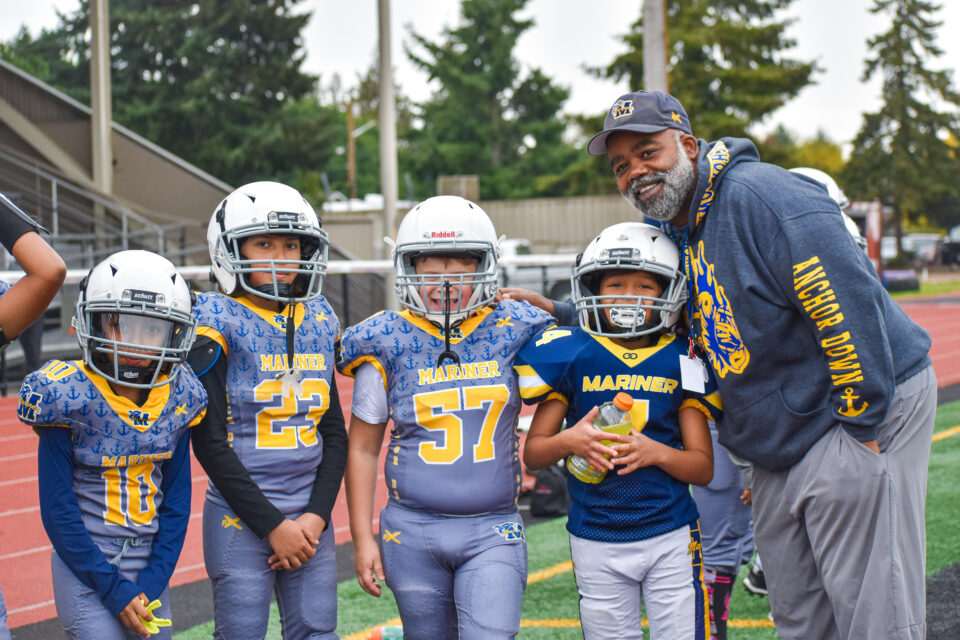
In his work with Mariner Jr. Football in south Everett, Terry Lott Jr. has experienced the importance of connecting with youth – from an early age.
“The middle school range is where we have kids for life or we lose them for life,” he said. “We’re losing them as early as 12. There’s nothing to get them off the path.”
He described a player who had grown up in public housing with parents who abused substances. The teen had wanted to go to college and do more with his life. But after moving and losing those positive community ties, he got involved with guns, Lott said.
“Our youth have immediate access to firearms, and they’re losing connection with community,” Lott said.
That’s why it’s so important to invest in parks and community centers — locations that provide a safe gathering for local youth, Lott said. He recalls his own experience hanging out at the community center on Friday nights, something that “kept me out of trouble,” he said.
Community advocates like Lott stress the importance of these efforts for all community members. As Snohomish County has grown in recent years, neighborhoods and boundaries have become increasingly interconnected, Lott added, a connectivity that underscores everyone’s role in reducing these statistics.
“Things you didn’t care about in the early 2000s are in your backyard in 2026,” he said. “To make real change, all of us need to care a little.”
For more information on local firearm trends, visit Injury and Violence | Snohomish County Health Department, WA
Additional resources
Children, teens face heightened firearm risk
- In the U.S., one out of every three homes with children have a firearm, many of which are kept unlocked and loaded.
- Children and teens are at the greatest risk of unintentional deaths, injuries and suicides from firearms.
- Each year in Washington State, about 65 deaths of children and teens involve a firearm. Most of these shootings occur in or around the home.
— Source: Seattle Children’s Hospital
Be SMART, an organization that promotes responsible gun ownership, offers guidance to reduce firearm injuries and deaths for families.
- Secure all firearms in your home or vehicle
- Model responsible behavior around firearms
- Ask about the presence of unsecured firearms in others’ homes
- Recognize the role of firearms in suicide
- Tell your peers to be SMART
Kellie Schmitt is an award-winning health reporter based in Edmonds. She covers health policy, public health and children’s health for a variety of publications including the Johns Hopkins University Public Health Magazine, ParentMap, and USC’s Center for Health Journalism. She has a master’s in science writing from Johns Hopkins University.
This series is supported by funding from the Verdant Health Commission. The My Neighborhood News Network maintains full editorial control over content produced as part of this series.


Real first and last names — as well as city of residence — are required for all commenters.
This is so we can verify your identity before approving your comment.
By commenting here you agree to abide by our Code of Conduct. Please read our code at the bottom of this page before commenting.