
Will you chip in to support our nonprofit newsroom with a donation today?
Yes, I want to support My MLTnews!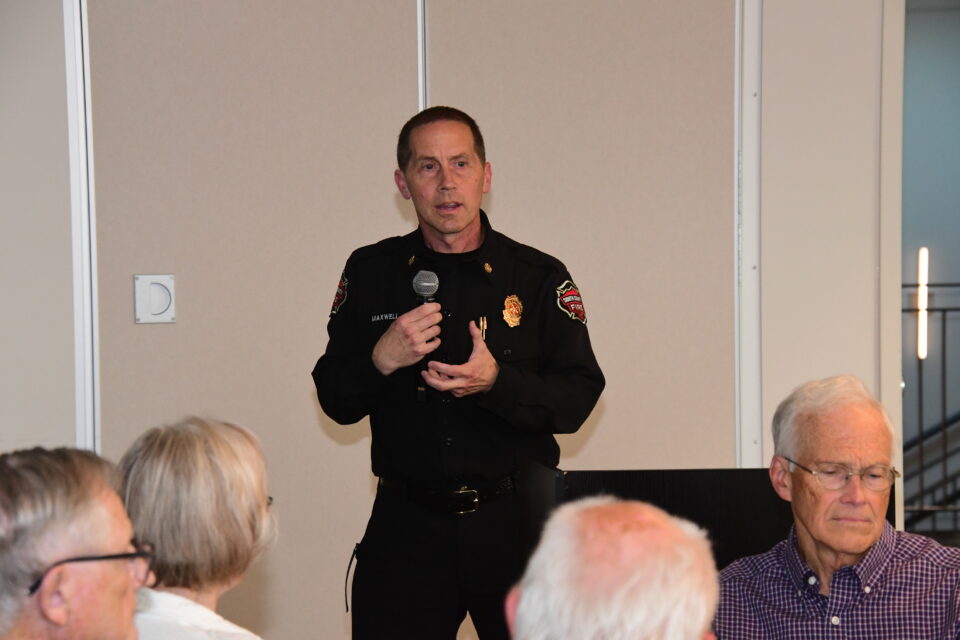
More than 60 attendees turned out for a Wednesday evening forum hosted by the Edmonds Civic Roundtable (ECR), where South County Fire Regional Fire Authority (RFA) leaders outlined and took public comment on the RFA’s proposed $420 million construction bond measure. Officials say that the long-planned projects to replace, upgrade or build fire stations across the RFA are needed to keep pace with growth and modern safety standards.
Speaking to a full room, Fire Chief Shaughn Maxwell, SCF Communications Director Christie Veley, and other fire officials framed the bond — which will appear on the November general election ballot — as the next step in the SCF Capital Facilities Plan, which has been under study for nearly a decade. Because this is a construction bond, it requires a 60% supermajority “yes” vote to pass under Washington state law (RCW 39.36.050 and RCW 52.26.130), along with minimum voter turnout based on the last general election.
‘Only the facts’ on the bond
ECR moderator and former Edmonds City Councilmember Neil Tibbott said that the evening was structured as an informational session, not a campaign event.
“The fire department will provide only the facts of the ballot measure. They’re not allowed to advocate either for or against,” Tibbott told attendees, calling the presentation “the tip of the iceberg” ahead of deeper community debate.
“Tonight you have the chance to respond to a public entity who has an idea about what they want to do, and they’re going to present that idea to us in a factual format,” Tibbott said. “So our goal tonight is that you get to hear why they’re moving forward with this initiative, and then you get to ask questions so you can make a judgment of that with your vote.”
Setting the context, Tibbott reviewed the path that brought Edmonds into the RFA, noting that prior to 2010, Edmonds operated its own fire department. That year the city contracted with what was then Fire District 1, and in 2025 voters approved joining South County Fire as a full member, with just over 62% in favor.
“The South County Fire represents roughly 300,000 people, and Edmonds was the last city to join,” Tibbott said.
Chief: ‘This is my life’s work’
Fire Chief Shaughn Maxwell, a long time South County Fire employee who has been in the chief’s job about four months, opened with a personal introduction, underscoring his focus on emergency medical services (EMS) and system performance.
“I have been in the fire service for 38 years, and I’m still a paramedic,” Maxwell said. “My passion — I’m kind of an academic nerd — [is] how do we raise performance and save as many lives as possible? So this is my life’s work, and to be the fire chief at this point is a real honor and a real pinnacle to hopefully influence saving even more lives.”
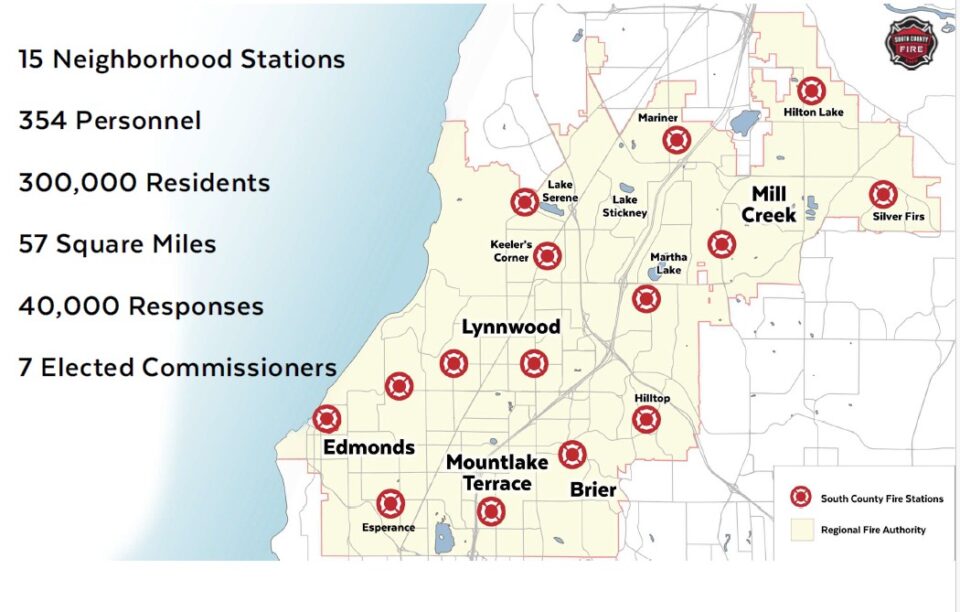 He described South County Fire as “a system of care and a system of response,” with 15 neighborhood stations, more than 350 firefighters serving 300,000 residents over 57 square miles, and responding to about 40,000 calls a year, or roughly 100–110 calls per day.
Maxwell highlighted several specialty programs — including high cardiac arrest survival rates independently verified through national registries, an award‑winning community paramedic program that reduces 911 and hospital use by about 50%, and the region’s only fire boat that responds with a paramedic on board.
“We really lean into innovation with our EMS programs, and we share it around the nation, sometimes around the world,” he said.
Why a bond now: aging, seismically vulnerable stations
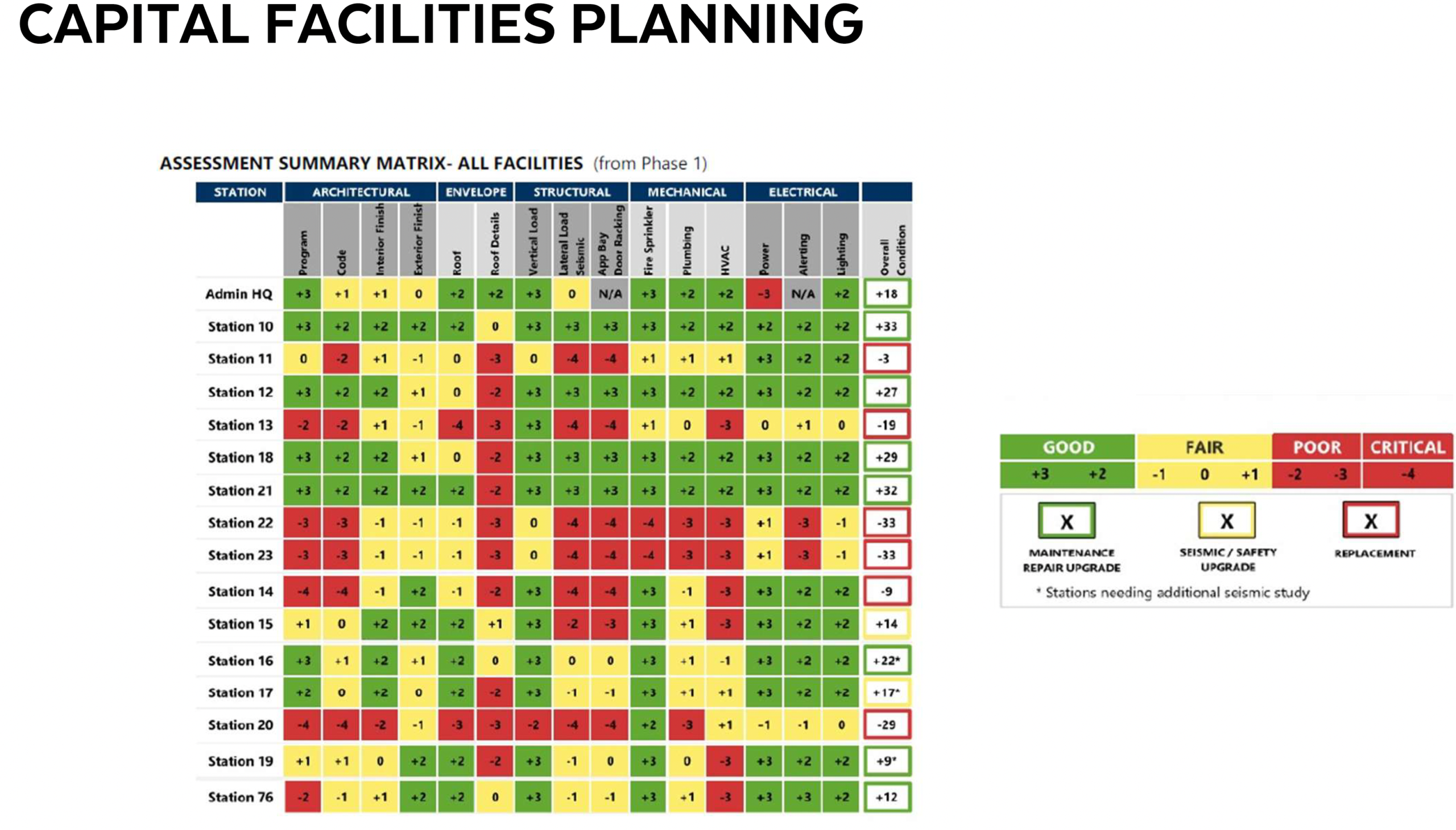
South County Fire Communications Director Christie Veley next walked the audience through a 2016 capital facilities study that rated the condition of all stations for architecture, firefighter safety and seismic capability.
“Two‑thirds of our 15 fire stations did need to be replaced or have major upgrades,” she said, adding that “nearly half of our fire stations could be inoperable following a major earthquake.”
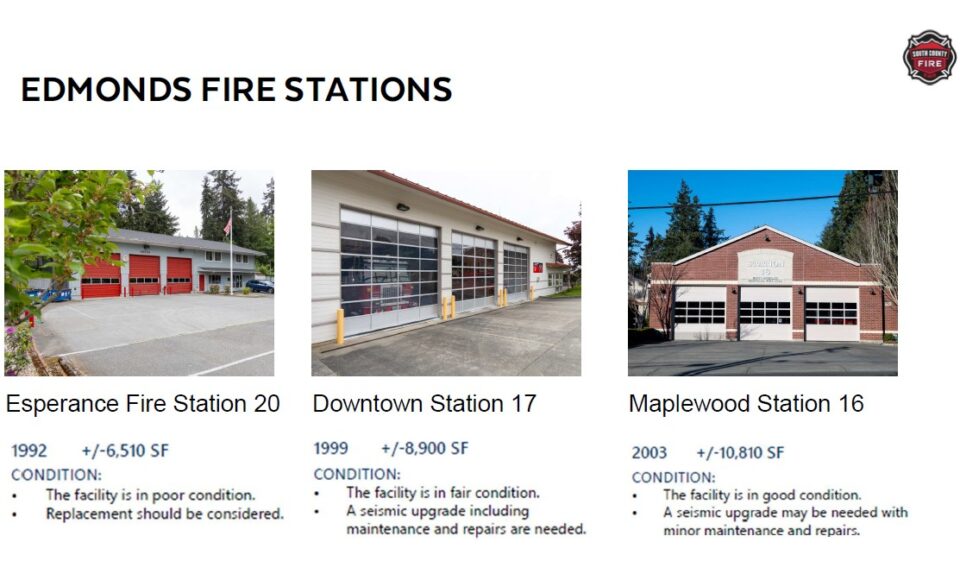 In Edmonds, the report found:
- Station 16 (Maplewood): overall “good” condition.
- Station 17 (Downtown): “fair” condition, needing seismic work and other repairs.
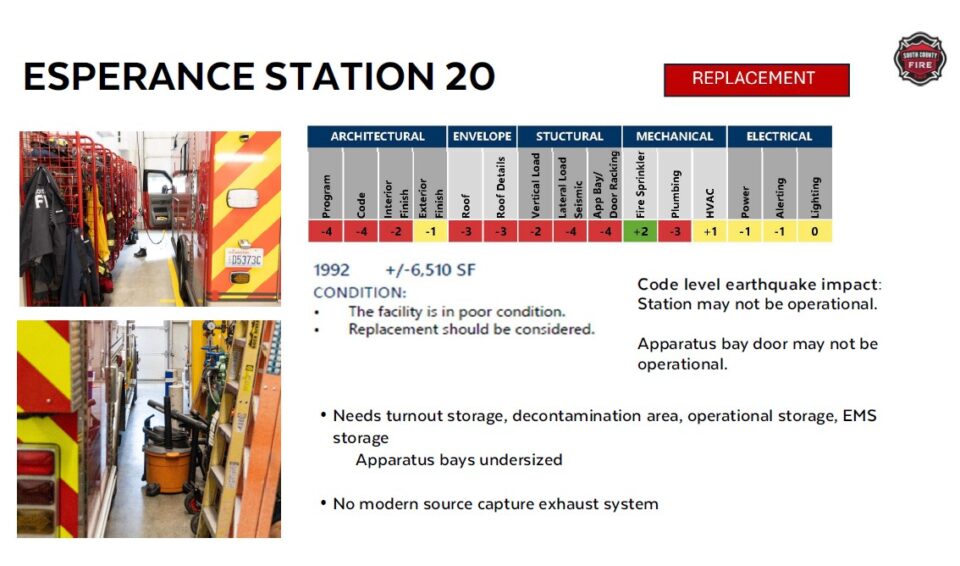
- Station 20 (Esperance): rated “poor” and identified for full replacement.
To illustrate, Veley provided a video tour of Esperance Station 20 showing cramped equipment bays, an outdated exhaust system and circulation patterns that require firefighters to run down a flight of stairs from sleeping quarters to apparatus bays at night.
Deputy Chief of Logistics James Curtis noted that the Esperance station was built in 1992 for three firefighters but now houses five to six on many shifts, squeezing bedrooms, offices and workout and classroom space into areas never designed for them.
“This station was designed without the knowledge that diesel exhaust and products of combustion are known carcinogens,” Curtis said, noting the lack of proper decontamination and ventilation systems. “This is a fire station that was built in 1992 so it lacks [modern seismic] structure.”
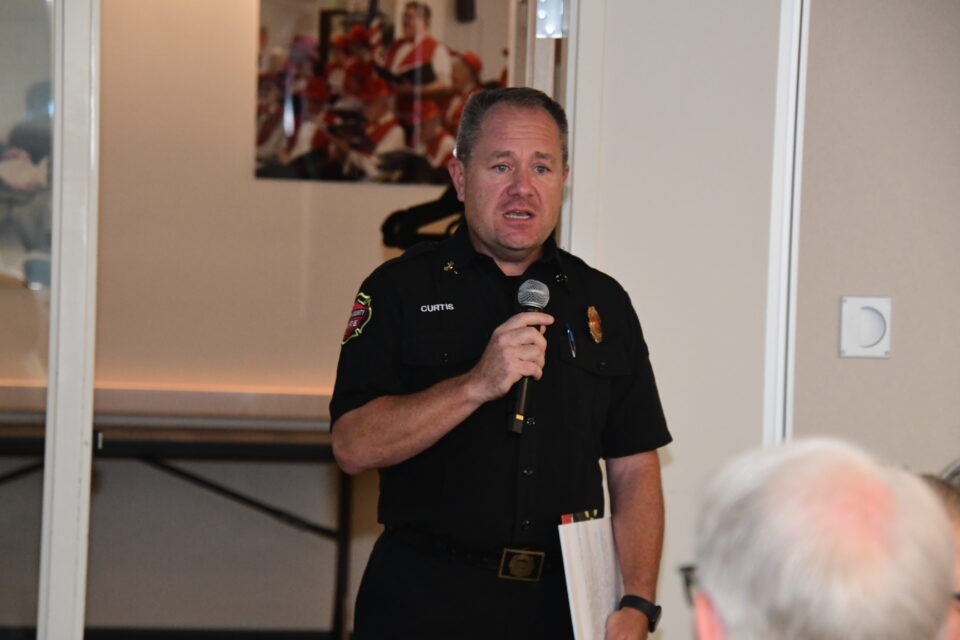
Curtis said many stations were built before the Nisqually earthquake prompted stricter codes, and that fire stations are now held to the same seismic standard as hospitals.
What the bond would fund
Veley said the bond would finance a broad package of capital projects:
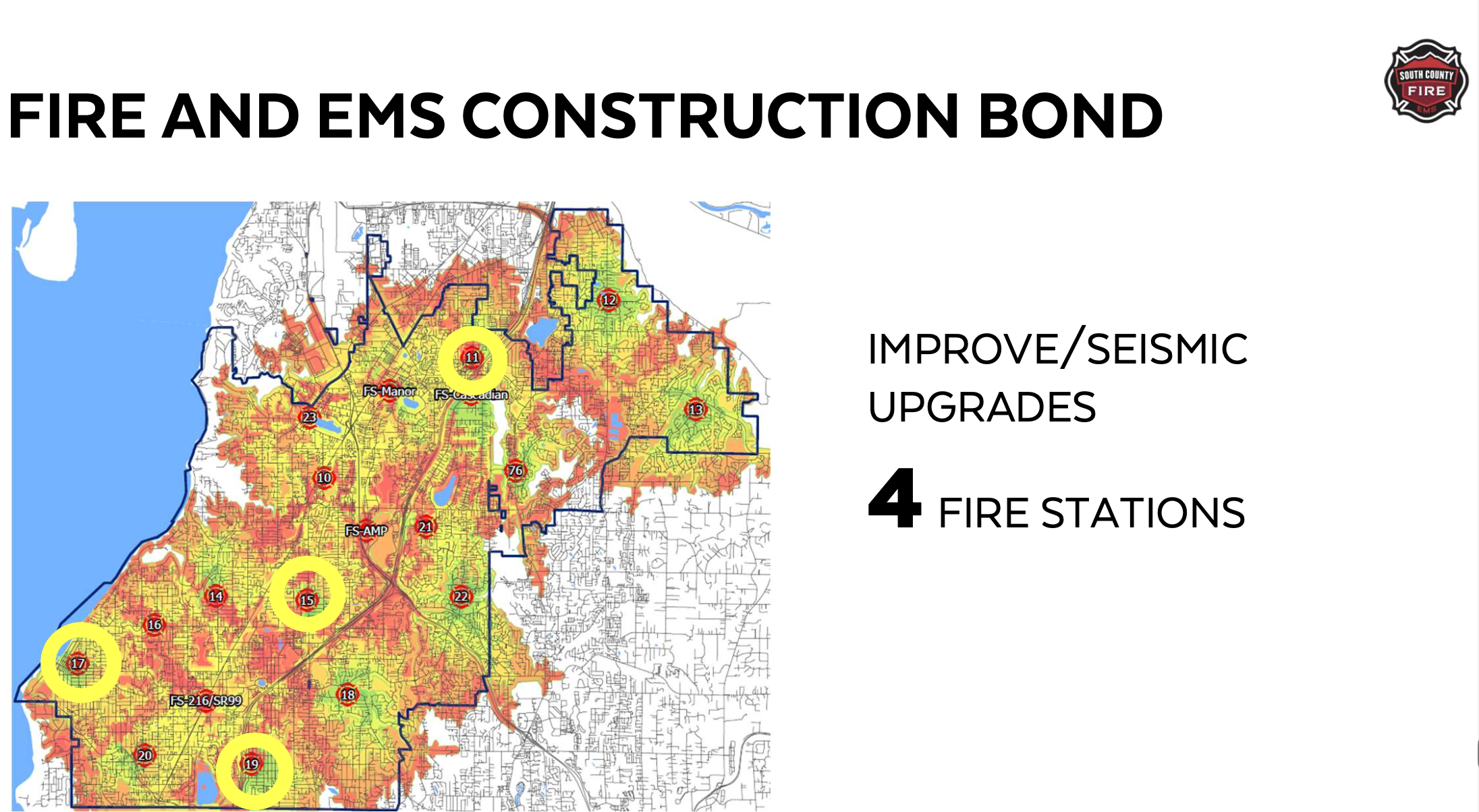
- Replacement of six stations, including Esperance Station 20 and other aging facilities in Lynnwood, Mill Creek and unincorporated areas.
- Seismic upgrades and improvements at four stations, including Downtown Edmonds Station 17.
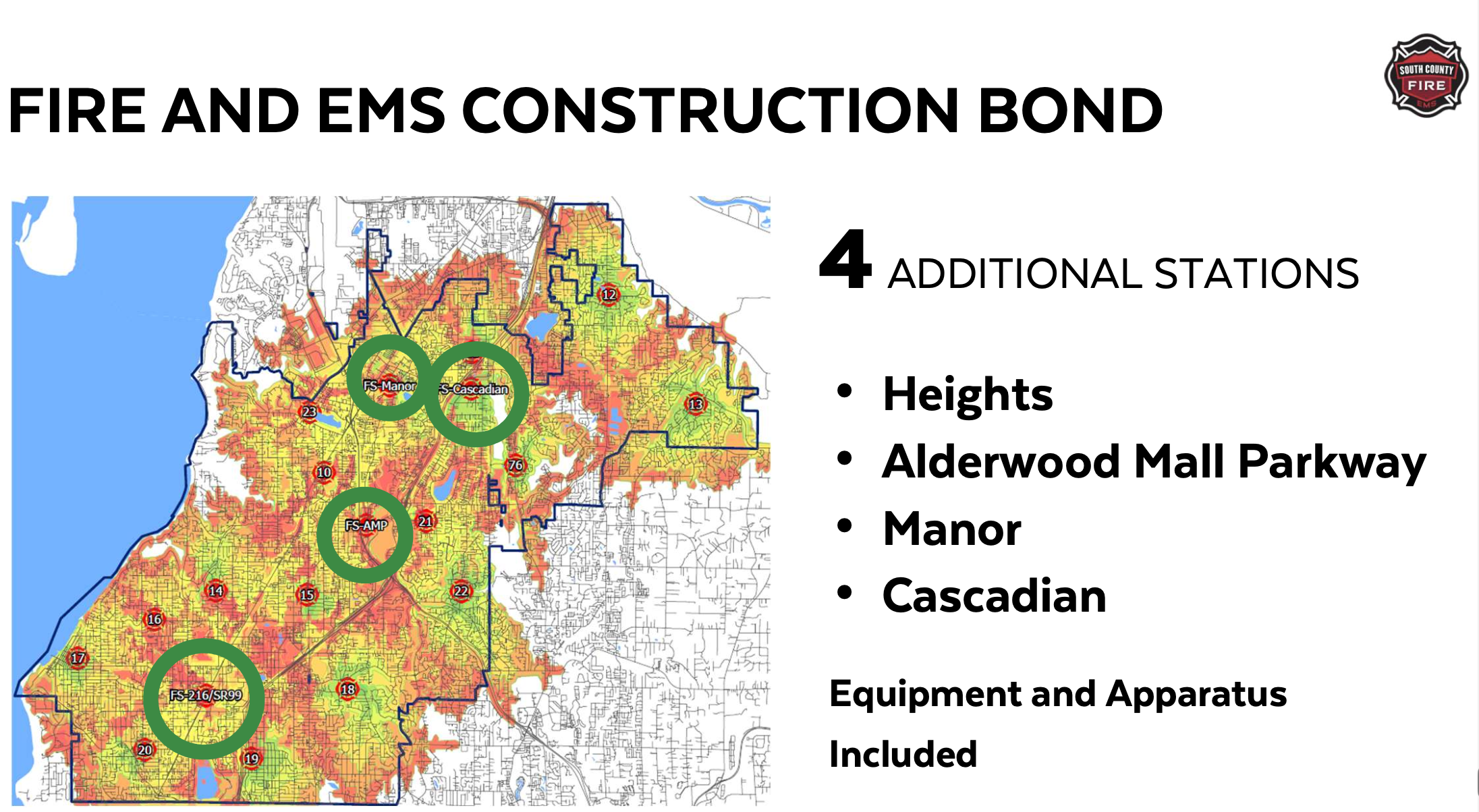
- Construction of four new stations in growth and service‑gap areas, including a large “Heights” station near Swedish Edmonds at 216th and Highway 99, which data show as “one of the busiest square miles in the entire RFA.”
- Upgrades to support facilities, including an undersized logistics warehouse and unfinished office space in headquarters.
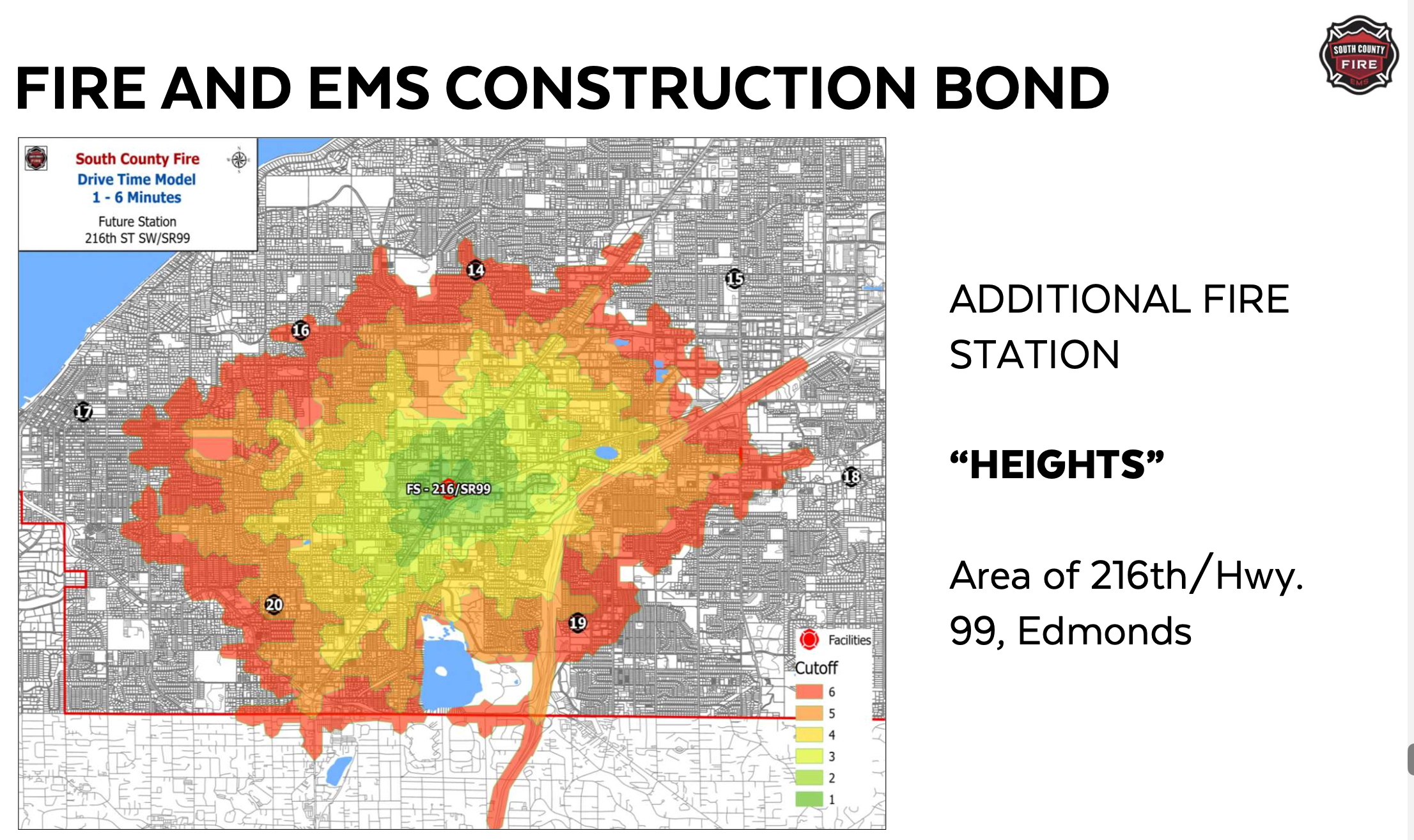 Veley said the Heights/Highway 99 station (near 216th Street Southwest and Highway 99) would be one of the RFA’s largest and would improve response times not only along Highway 99 but “far into Edmonds.”
Cost to property owners
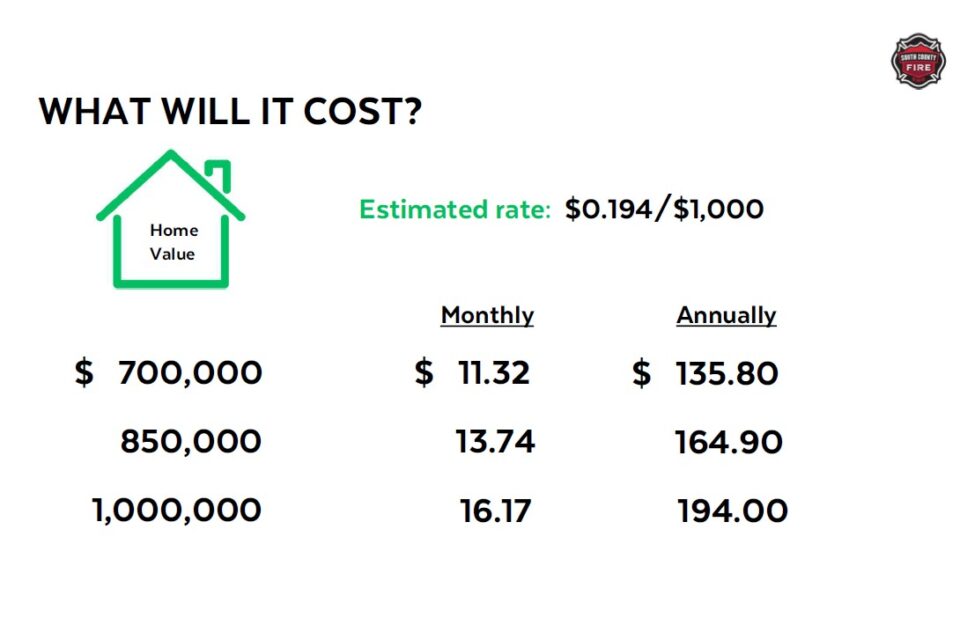
Veley presented an estimated bond rate of about 19.4 cents per $1,000 of assessed value, with examples:
- $1 million home: about $16.17 per month, or $194 per year.
- $700,000 home (average in the RFA service area): about $11.32 per month, or $136 per year.
 She explained that the RFA already relies on fire and EMS levies plus a benefit charge. The benefit charge — a fee based on structure size and use, not land value — is designed so that, for example, a 2,000‑square‑foot home in Edmonds pays the same as a 2,000‑square‑foot home in Mill Creek or Lynnwood.
With the bond, South County Fire’s total property‑tax‑equivalent rate would rise from about $1.34 per $1,000 of assessed value to roughly $1.53, keeping the agency in the middle of Snohomish County fire providers. Seniors, low‑income households and people with disabilities would retain any existing county tax exemptions.
Commissioners: Needs vs. costs
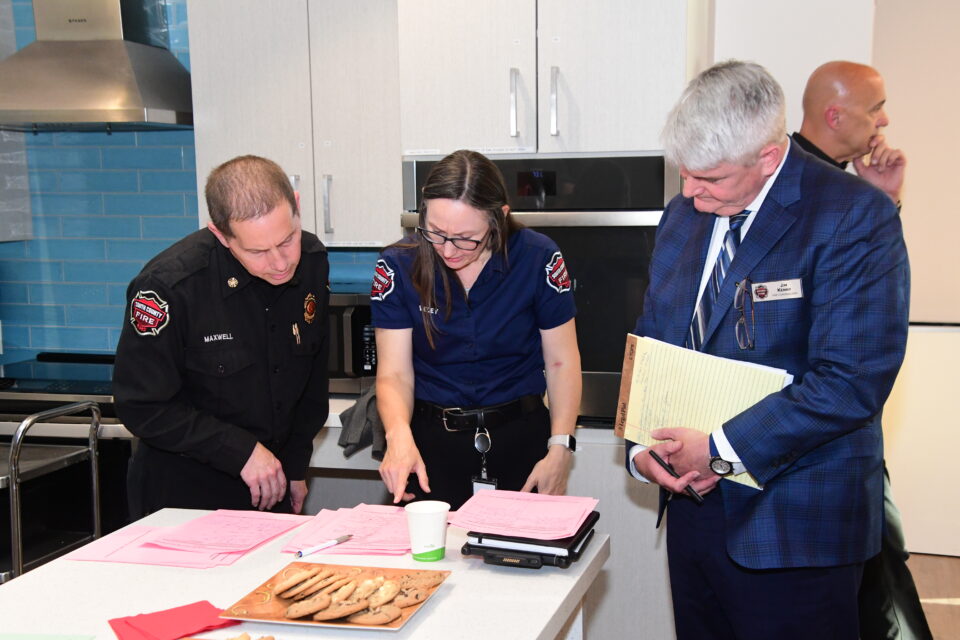
Board Chair Jim Kenny told the audience that the RFA has been discussing capital needs since at least 2016 and has appeared before the Edmonds City Council “at least twice” to outline issues with Edmonds stations.
“The dollars are eye‑popping, but the needs are still there, and that’s unlikely to change as everything’s getting more expensive,” Kenny said, adding that station construction costs have risen “3–4–5% a year.”
Asked why the projects weren’t broken into smaller phases, Kenny said the scale and cost of station work makes a piecemeal approach impractical.
“To actually undertake this whole package, it takes this amount of money,” he said. “If we don’t do it, it’ll be 4% more expensive next year, $16 to $20 million more.”
He added that if voters reject the measure, “we will adjust from there,” but questioned “which community should not receive its needs” over the 10‑year construction horizon.
Table discussions refine citizen questions
The event then moved to breakout table sessions. Tibbott asked participants to think about what they heard and what needs clarifying, and based on this come up with their top two or three questions to ask the officials.
“This is really an opportunity to get some short answers to some very long questions,” Tibbott said.
Several tables pressed the board on whether the $420 million package — to be financed in three bond issuances over roughly 27 years — could be broken into smaller, prioritized pieces.
At one table, Pat Moriarty suggested that a phased approach might make the proposal more acceptable to voters.
“Would you have more success passing the bond if you had to do what we do when we’re remodeling and that is prioritize?” Moriarty asked. “There might be a chance you won’t get it passed at all.”
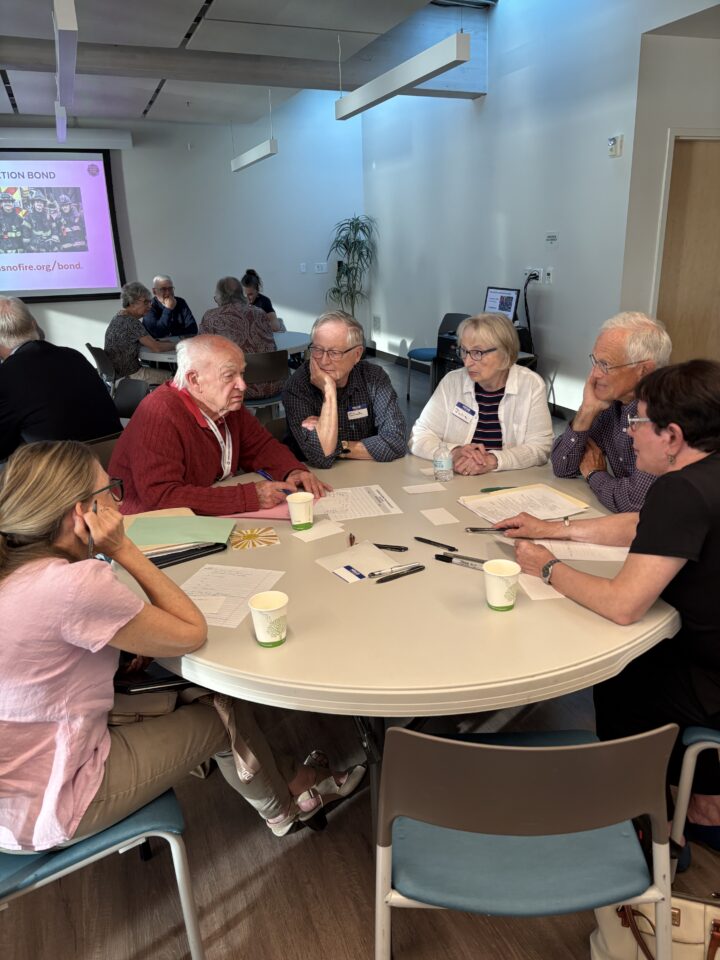
Board Chair Jim Kenny responded that the board’s intent is to take the full capital needs to voters and adjust only if the measure fails.
“We’ve described the needs here, and so we want to take those needs to the community, and see what the community thinks,” Kenny said. “If the community says no, then we will adjust from there.”
Kenny noted the work would be spread over about 10 years and framed the measure as both a service and workforce-safety issue.
“It’s not all happening in one year, and these facilities are old, and our employees should have environments to work in that are safe,” he said.
Public outreach, transparency and annexation sticker shock
Another table questioned why the scale of the capital needs — and the potential tax impact — were not more clearly communicated before Edmonds joined the RFA.
Kevin Harris said his table saw a “disconnect” between references to prior public hearings and what residents actually knew during the annexation discussions.
“In the process of being courted by the RFA, going back to the Edmonds annexation, they never heard about these needs,” Harris said. “Why wasn’t it made clear before? Especially since this is a significant 10-15% increase on top of the RFA annexation costs.”
Veley acknowledged the question was “fair” and said the district has been aware of the facility needs for years.
 “We have known about these needs for quite some time,” she said. “The Edmonds stations were assessed in 2016 even though the RFA wasn’t responsible for them at that time,” pointing out that the issue was discussed during annexation, especially regarding Esperance Station 20.
“City leaders shared at several of the meetings that Station 20 did need to be replaced, and that if annexation occurred, that would become the responsibility of the RFA,” she said.
Veley added that, at the time of annexation, “there was not a clear plan to move forward with a bond,” and that decision evolved “over the many months that followed.”
Kenny later reiterated that the district has been talking publicly about capital needs “since at least 2016,” including appearances before the Edmonds City Council.
Adapting stations to new technology and EMS models
Longtime Edmonds resident Darrol Haug used his turn at the microphone to both thank firefighters for decades of service and raise questions about how future facilities will support changing EMS and technology needs.
“For 38 years, you’ve been saving people’s lives,” Haug said, adding with a laugh, “Oh by the way, if I collapse please don’t do mouth-to-mouth.”
Haug asked how residents could be assured that new or rebuilt stations would accommodate smaller response units, mobile or satellite stations, and even motorcycles or similar platforms as EMS delivery evolves.
“How do we know that this bond issue can deal with that kind of change?” he asked.
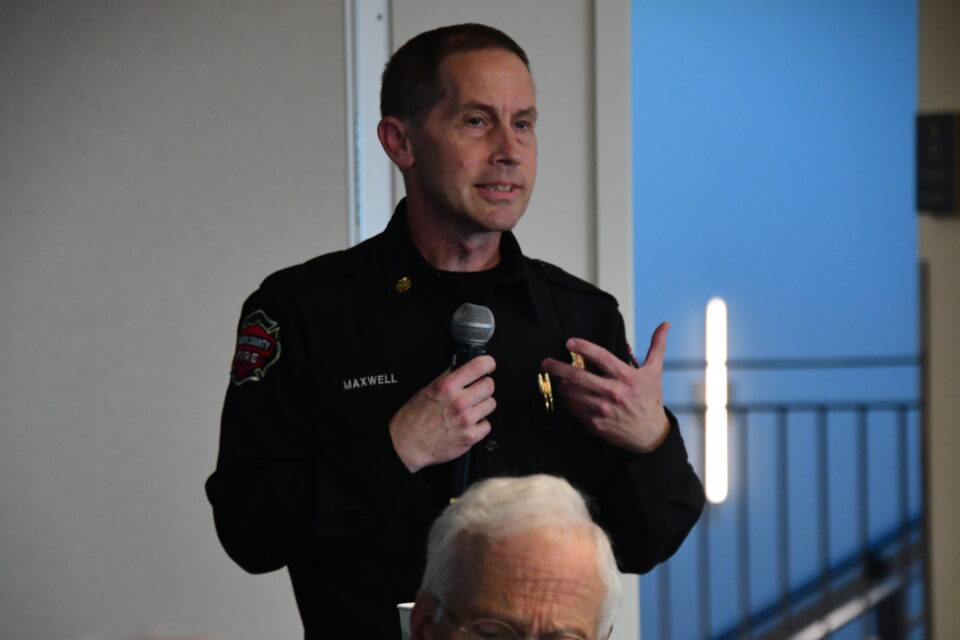
Chief Maxwell said the bond is intended to stress improvements that future-proof the system to handle new vehicles, technologies and deployment models.
He pointed to emerging needs such as electric fire engines, expanded electrical capacity and data connectivity that many older, often volunteer-era stations were not built to support.
“There’s stations where the infrastructure can’t support the vehicles of tomorrow or even today,” Maxwell said. “A lot of it is the modern infrastructure to support that.”
Maxwell said every apparatus now must be plugged in and connected for power and satellite-based mapping, and that many existing stations lack the electrical capacity and space to support current and future deployment.
“It would be cost-prohibitive to retrofit these stations right now,” he said, but added that the agency intends to “stay nimble throughout this process,” citing drones as another tool under consideration.
How big will personnel get?
Former Edmonds City Councilmember Tom Mesaros, speaking for his table, asked what happens if the bond fails and also asked how large the agency’s staffing could grow over time given existing space constraints.
“You have a certain level of personnel staff now. You’re running out of space. How big will it get?” Mesaros asked.
Maxwell said the immediate challenge is not just headcount, but where personnel and apparatus can be housed given the limitations of current buildings.
“Right now, we’re struggling to put our response units where we want,” Maxwell said, citing how the growing need for fire station bedroom space is taking away space to keep fire trucks or ambulances.
What will it cost — and is it fair?
Several tables zeroed in on pocketbook questions: whether the projected 19.4 cents per $1,000 in assessed value is fixed, how the benefit charge works and whether residents in higher-value markets like Edmonds are paying more than their fair share.
One participant asked whether the 19.4 cents rate could change over time and requested more detail on the benefit charge and how it’s adjusted.
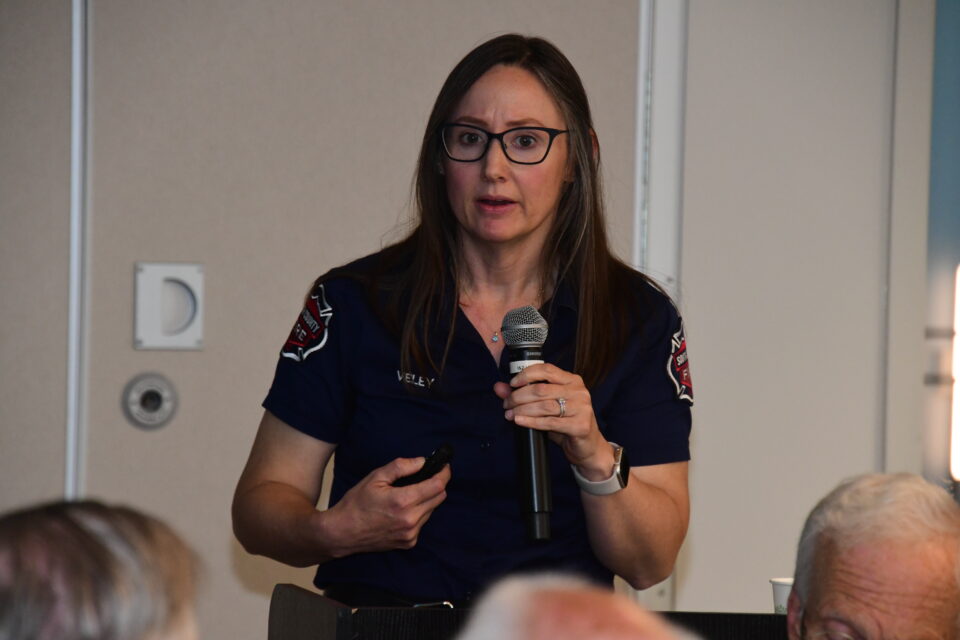
Veley said the levy rate is modeled to remain roughly level, but the actual cost to taxpayers will depend on financial markets at the time each bond issuance is sold.
“The bonds are sold in issuances, and the interest rate is determined by the market at that time,” she said. “It is an estimate, and it could change based on market conditions. The rate of the levy is intended to stay the same over the life of the bonds. That is the intent of the model that we’re using.”
On the benefit charge, Veley stressed that it is a fee, not a tax, and is based on building size and risk rather than assessed value.
“All residential homes kind of fall into one category, and you are charged just based on your square footage,” she said.. As an example, she said a 1,500‑square‑foot home might pay “around $70-ish,” with a 2,500‑square‑foot home paying more.
Another table asked whether homeowners in neighborhoods with sharply different assessed values — such as Edmonds versus Mountlake Terrace — were paying unevenly for what appears to be equivalent service.
“It seems that it’s a little unequal,” one resident said. “The same-size houses in Edmonds [and] Mountlake Terrace are worth a lot different, and it only costs the same amount to put out a fire in those equal-sized homes. Is there any way to equalize that?”
Veley answered that equalization is precisely the aim of the benefit charge.
“A 2,000‑square‑foot home in Edmonds would pay the same benefit charge as a 2,000‑square‑foot home in Mill Creek, or in Lynnwood, or in Mountlake Terrace,” she said. “The benefit charge is a place where we can try to equal things out.”
She emphasized that the benefit charge is separate from the bond and is set annually by the board after a public hearing, typically in October or November. Mesaros reiterated for the room that “the benefit charge does not apply to the bond issue.”
Firefighter health and HVAC upgrades
In the final question of the evening, a resident asked whether the fire authority could accelerate HVAC and air-handling upgrades aimed at reducing carcinogen exposure for firefighters, even if major station rebuilds take longer, stressing that firefighter health should take first precedence.
“Will HVAC be something that’ll be done as a priority before doing some of the others,” the resident asked, “or is it go to one station then the next?”
Maxwell called the question “great” and said firefighter health is a priority, but upgrades must be timed to avoid wasting money on systems that would soon be torn out.
“If there’s an opportunity to make it safer for the firefighters, yes, of course,” he said. “If we see opportunities where we’re not going to be wasting money. If we were able to put a system into a station that could be moved to the new station and not waste money, I think we would probably look at that opportunity.”
Maxwell said the capital facilities plan sequences projects to complete all stations “in the most expeditious” way, with triage and priority built into that schedule.
What’s next
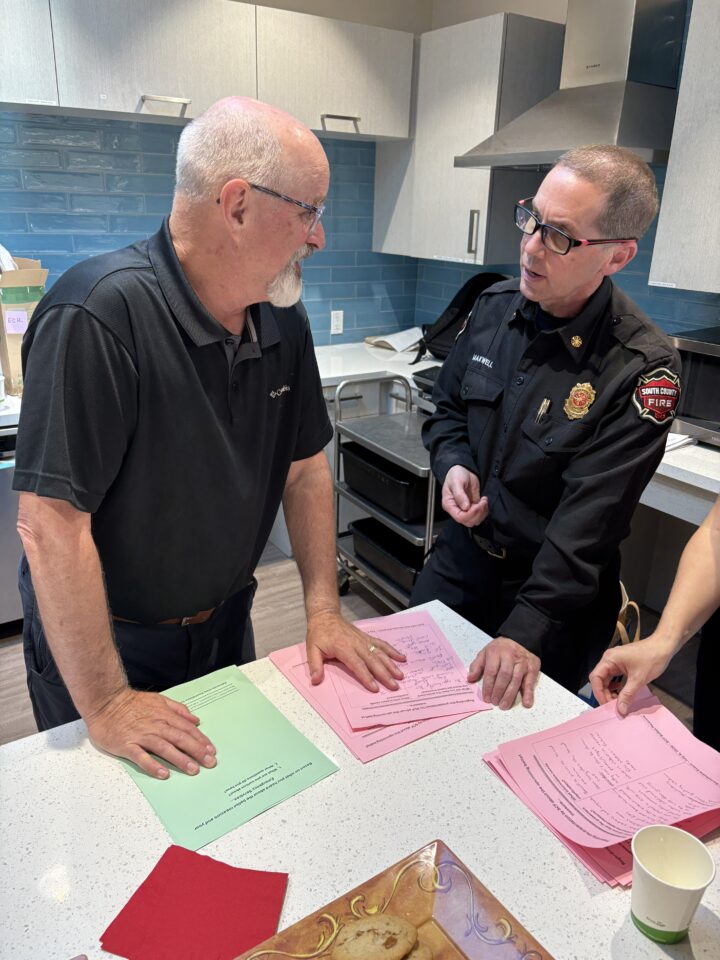
As the session ended, Tibbott thanked residents, fire commissioners and staff, and noted that the Edmonds Civic Roundtable will not meet in August.
He said organizers are considering a possible point–counterpoint program on the bond in September, “where we could have some advocacy back and forth,” depending on public interest.
For more information and background on the bond issue, visit the SCF bond issue webpage and download the ECR fire bond issue white paper.


Real first and last names — as well as city of residence — are required for all commenters.
This is so we can verify your identity before approving your comment.
By commenting here you agree to abide by our Code of Conduct. Please read our code at the bottom of this page before commenting.