
Will you chip in to support our nonprofit newsroom with a donation today?
Yes, I want to support My MLTnews!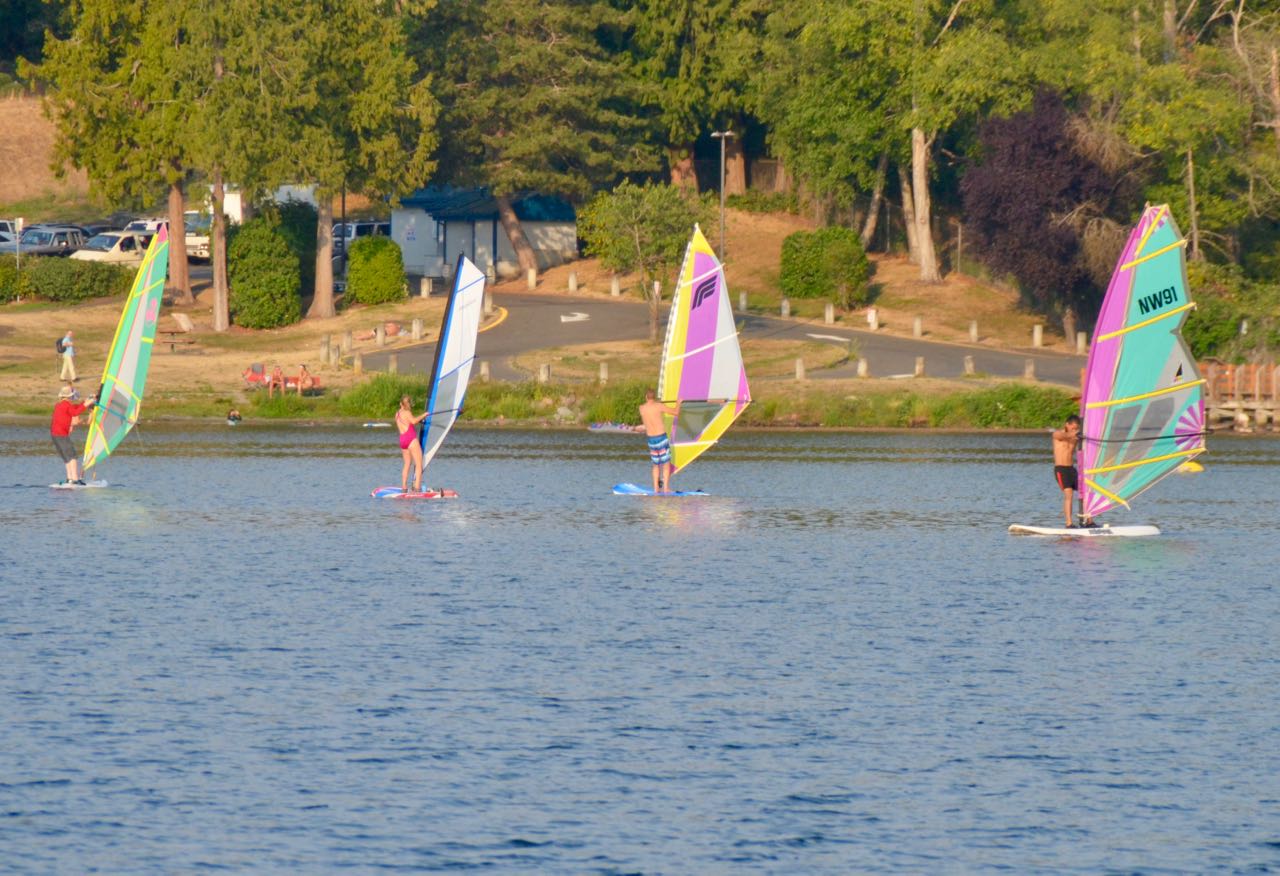
Paddle Safe Week, supported by the Washington State Parks Recreational Boating Safety Program, is a statewide effort to create a culture of safety around paddlesports. It will be observed this year from July 22-28. The campaign recognizes that paddlesports, while a fun and enjoyable pastime, are not without risks.
Washington’s diverse waterways require different skills, preparation and safety equipment, the state parks department said in a news release.
The single, most important way to paddle safely is to always wear a life jacket on the water. State law requires all vessels, including canoes, kayaks and stand-up paddleboards to have at least one properly fitted Coast Guard-approved life jacket for each person on board. Participants under the age of 12 are required to wear the life jacket at all times, but paddlers of all ages and even those with strong swimming skills are encouraged to wear a life jacket, due to the unpredictable nature of the sport.
According to Washington’s recreational boating accident data, in 2025 paddlesports accounted for 12 of 26 reportable recreational boating fatalities. Across all reportable recreational boating fatalities, 75% were not wearing a life jacket.
The program also recommends the following safety practices:
- Get educated – Find classes through local clubs and outfitters, city and county parks and recreation departments, and online.
- Know and use proper equipment – For stand-up paddleboarding, leash recommendations change depending on the type of water you paddleboard on. Make sure you are correctly using the proper leash type for your adventure.
- Carry essential gear – Carry the essentials for safety, emergency communications and comfort.
- Check and understand the weather – Check the weather frequently before and during each trip, keeping an eye on current conditions and forecasts.
- Protect against cold water shock – Avoid the biggest risk, which is not hypothermia but cold water shock. Cold water shock occurs in the first stage of immersion (from an unplanned fall overboard). Be prepared. Wear a life jacket.
- File a float plan – Before heading out, study the intended route, and let someone know the plan.
- Paddle with a group – Go out with at least three people and stay close enough for visual or verbal contact.
- Avoid alcohol and drugs – Stay alert and maintain situational awareness. These are key for safety on the water.
- Learn how to self-rescue – Know how to get back in or on the craft. Paddlecraft are typically safe, but there’s a higher risk of going overboard and becoming a swimmer.
- Label your paddlecraft – Use a sticker or some other means to provide contact information for privately owned paddlecraft. When empty paddlecraft are found adrift, it’s assumed someone is in danger.
- Be visible to other boaters – Paddle to be seen. Wear bright neon and contrasting colors, put highly reflective tape on paddles, use a flagpole and carry a bright light.
The Recreational Boating Safety Program maintains a library of resources and example social media content for participants to share.


Real first and last names — as well as city of residence — are required for all commenters.
This is so we can verify your identity before approving your comment.
By commenting here you agree to abide by our Code of Conduct. Please read our code at the bottom of this page before commenting.