
Will you chip in to support our nonprofit newsroom with a donation today?
Yes, I want to support My MLTnews!My Neighborhood News Group primarily covers the footprint of the Edmonds School District – Edmonds, Lynnwood, Mountlake Terrace, Brier, Woodway and nearby unincorporated areas. However, our non-English speaking communities connect more via culture, language and family, and often travel farther to keep those connections intact. Covering these communities accurately requires us to look outside our area to see the bigger story.
The majority of people in Snohomish County are white. According to the 2020 census, just over 66% identify as white. Just over 12% describe themselves as Hispanic. The largest group of Hispanic residents, 66%, is of Mexican origin.
Here is one such community connector: Los Gavilanes
Welcome to the familia
Felipe Hernandez wears a bright blue worker vest. “Welcome to the familia” is embroidered on the upper left. He greets me without fanfare, like he saw me only yesterday at his store, Los Gavilanes. He’s owned the store, located on East Casino Road in South Everett, for nearly 20 years.
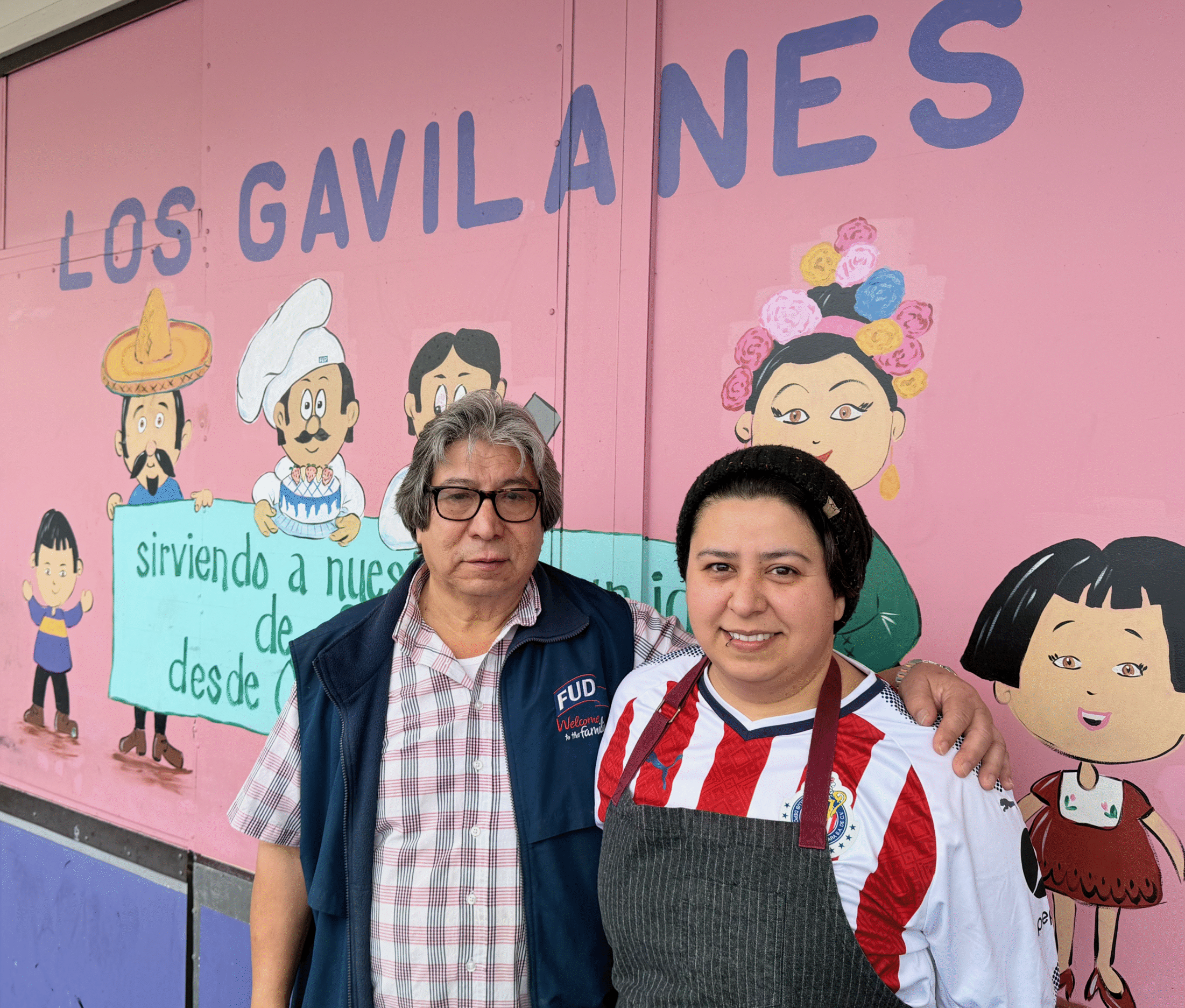
I follow him.
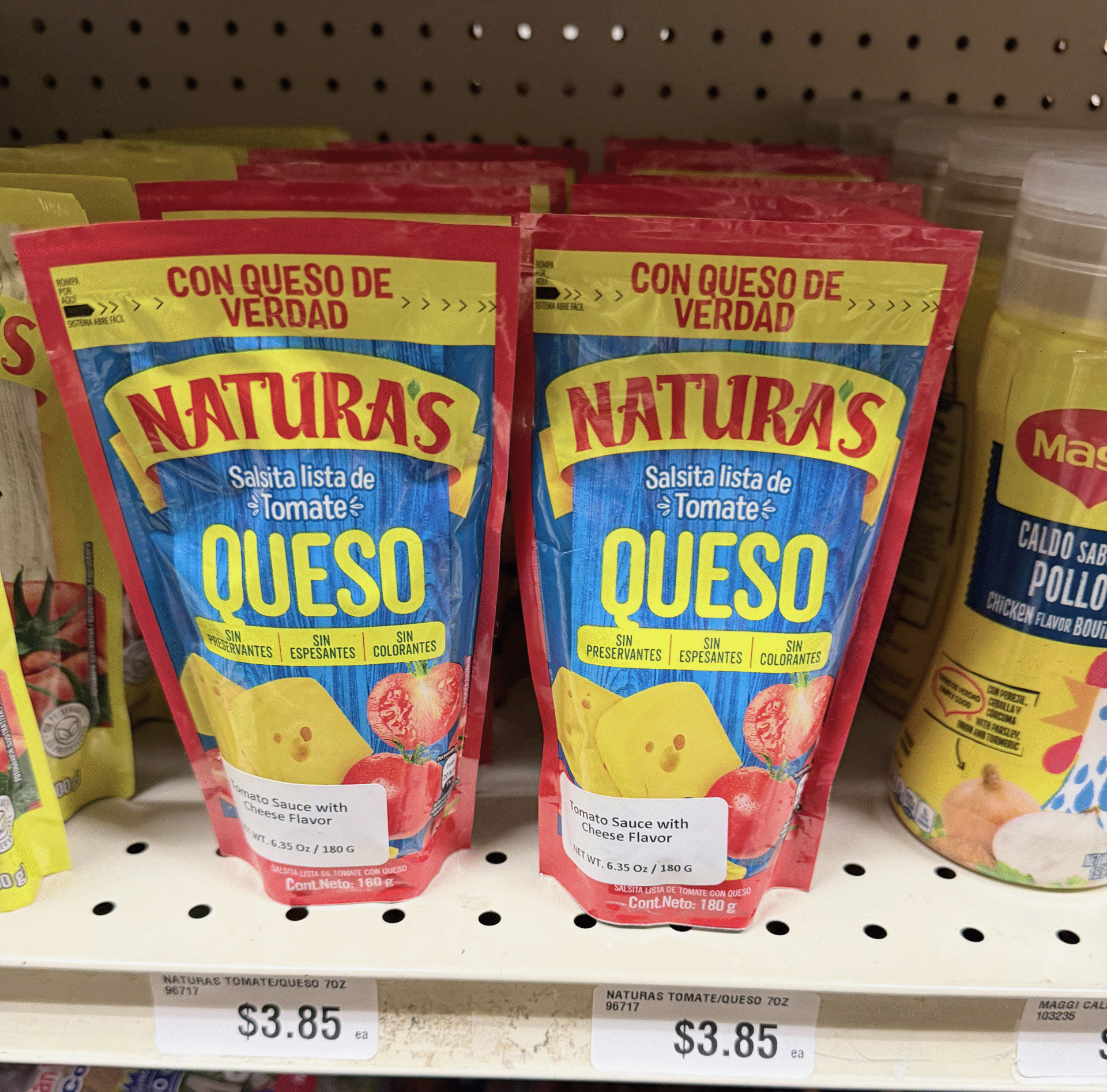
He winds his way through the aisles, past the dozen workers at the meat counter, the deli and the bakery, past shelves stocked with mostly Mexican labels.
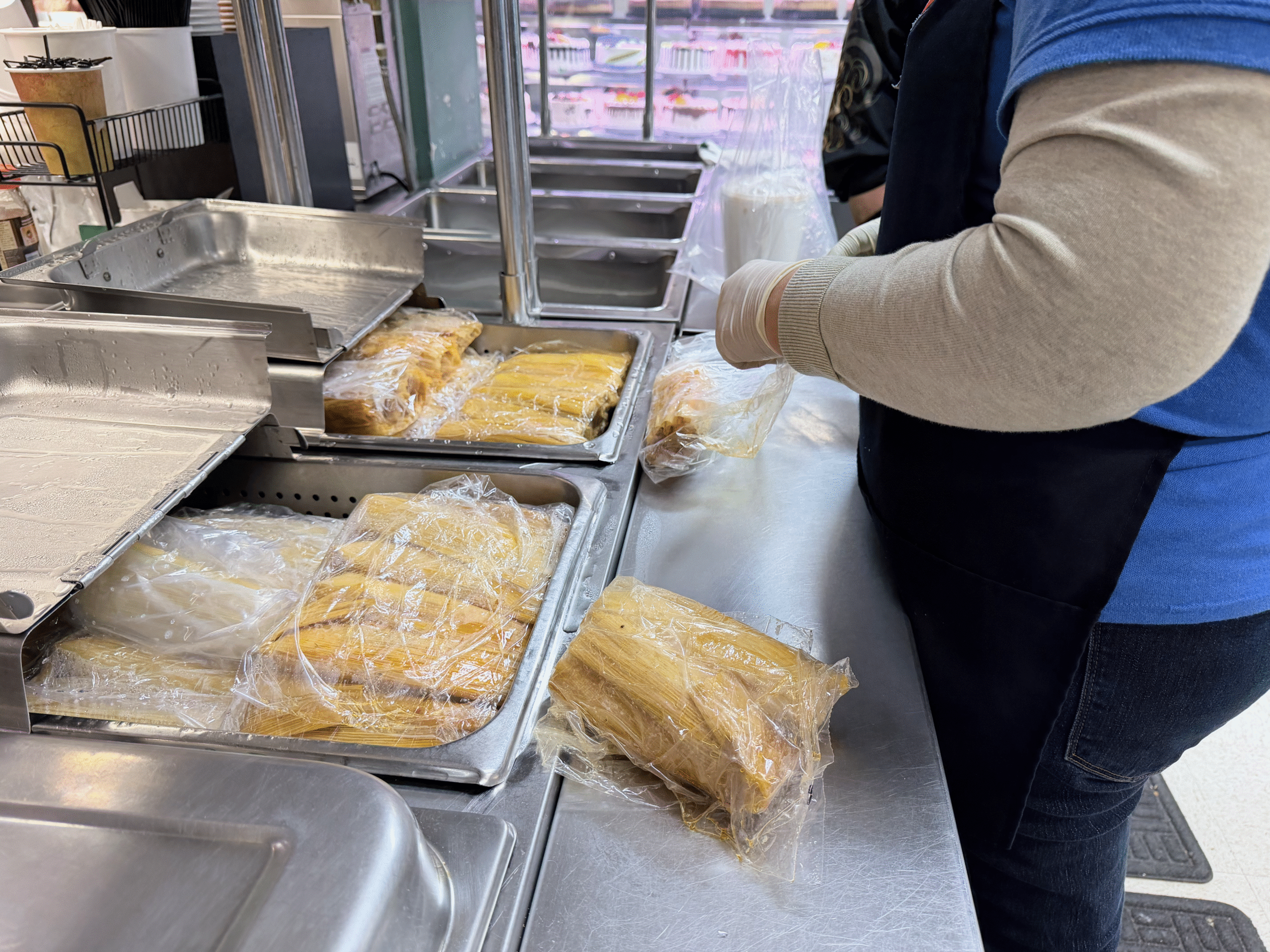
We go through a set of doors and into the back, where another dozen workers are making tamales by the hundreds and operating three dough mixers while racks and racks and racks of fresh baked goods cool nearby.

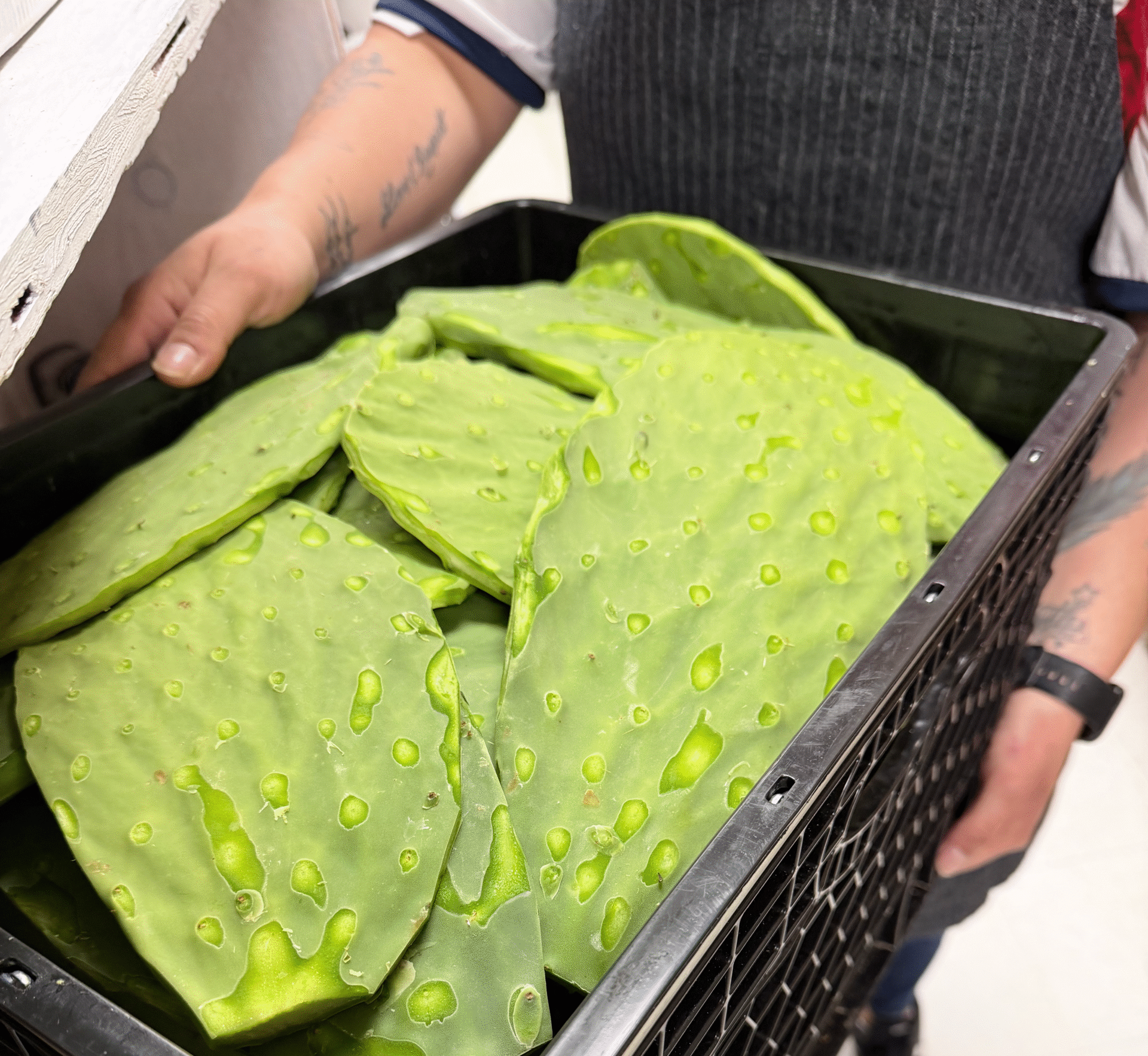
Someone just shaved the thorns from the huge prickly pear cactus pads (nopales). Nopales are a Mexican food staple.
Along the way, a woman joins us. It’s Julie, Felipe’s daughter. We go through another set of doors, to the oficina [office], piled high with everything you’d need to run a business that does 800 transactions daily, 1,200 on Sundays and heavy foot traffic all week long, from 6 a.m. to 10 p.m.
He encourages me to sit and introduces Julie. “She is here to translate if I need help,” Felipe says.
It’s easy to see why people call him the “Mayor of our community.” Felipe and his children, Julie and Tony, have been serving their neighbors for decades as a store, a bank, a pharmacy, a taste of home and, lately, the lifeline for increasingly nervous Spanish-speaking residents in Snohomish County.
Felipe, Tony and Julie are all 100% committed to the store, their employees and their customers. The store seems constantly in transition, changing to meet new needs.
In early March, Felipe was rearranging shelves to create a WIC (Women, Infant and Children) section because the Everett Fred Meyer recently closed. As a result, his customers had no place to buy these products. He said he’s seeing a lot more white faces these days, including Russians and other eastern Europeans. They are welcome here.
Business and life are intertwined
The discussion about the immigration crackdown’s impact on local businesses veers into the personal even when it doesn’t mean to.
“We trust each other, but we still track each other,” said Felipe’s son Tony about his wife. The location trackers on their phones remain on and shared in case something happens to either of them.
He has dark skin. He was born and raised here. He is an American citizen. His family came from Mexico before he was born. His wife has light skin. She was born in Colombia. She is in the U.S. legally. She is not a U.S. citizen. They both worry about Immigration and Customs Enforcement (ICE) despite their fully legal status and lack of criminal records.
They have a young child.
They worry about being detained, then lost in the detention system. They’ve seen and heard stories. They don’t go an hour without checking in on each other by phone or Apple watch.
The story is similar for dozens of Felipe’s employees and thousands of customers during this immigration crackdown. It adds to the daily stress of running a successful business.
“People ask us why we don’t put an ‘ICE not welcome here’ sign in our window,” Tony said. “That’s like a magnet. Why would we do that? Don’t poke the bear.”
Tony said the family has a great relationship with the City of Everett, the mayor and local police, and they don’t worry. Local police aren’t ICE. But for some customers, law enforcement is law enforcement and Spanish-speaking customers don’t want to risk not knowing the difference, getting detained, and then lost in the system.
“We tell people ‘Just go about your business. Keep your license on you. Show your car insurance. Don’t fight with ICE. Don’t give them a reason to stop you,’” Tony said.
The impact on local stores and businesses is significant. “Business dropped 40% in the first few months [of the crackdown]. Everyone was afraid to leave the house. Now it’s down just 25%,” Tony said.
Now, the store does deliveries — a big new cost. He laid out the math. Deliveries mean two new vehicles (sprinter vans) in addition to the three vehicles they already have, plus insurance, registration and gas. It means paying employees more than $20/hour to make a one-hour roundtrip delivery because Mexican customers live throughout Everett. As an added service, drivers call once they arrive and wait until customers answer so they can hand them food in person.
“It’s not fear. It’s terror,” Tony said of customers who are afraid to open the door. “One woman was alone with her children and wouldn’t pick up the phone because my van is unmarked. I had to call three times.”
All for $3 per delivery charge. It doesn’t pencil out. “It costs about $20 to do a delivery,” he said.
“We are losing money with deliveries, but it’s how we support our community that has supported us for 19 years. We are delivering basic food,” he added.
Customers want deliveries to Lynnwood, Marysville and Lake Stevens. That’s out of range right now for a store that only delivers within the Everett city limits, but like everything at Los Gavilanes, Felipe and his children are trying to figure out a way to say yes.
More than basic food
Los Gavilanes is more than basic food.
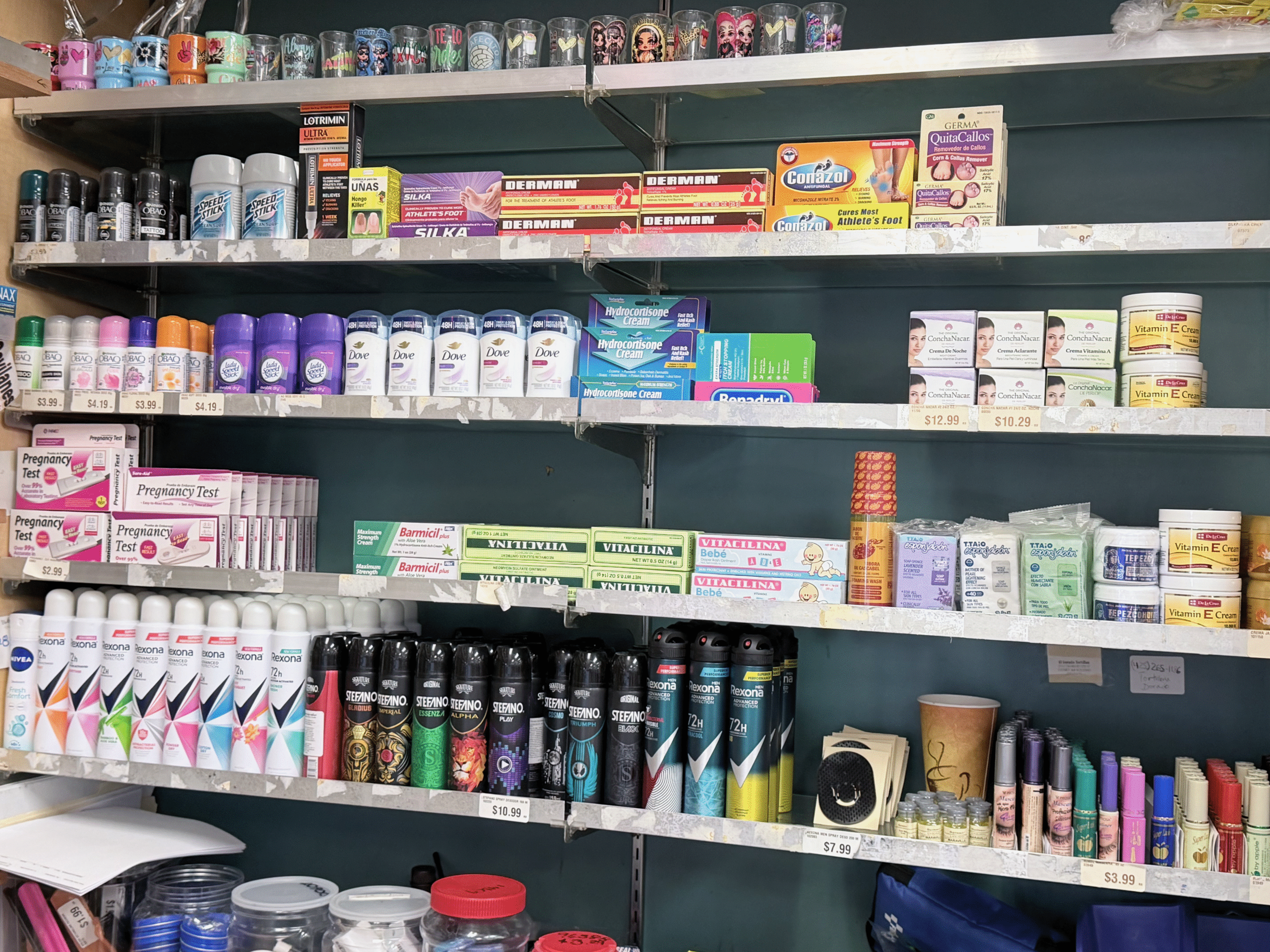
Although it looks like any quick-stop store in Snohomish County, inside, it’s familiar to those who grew up in this Mexican culture. Familiar labeled medicine that is sold over the counter in Mexico.
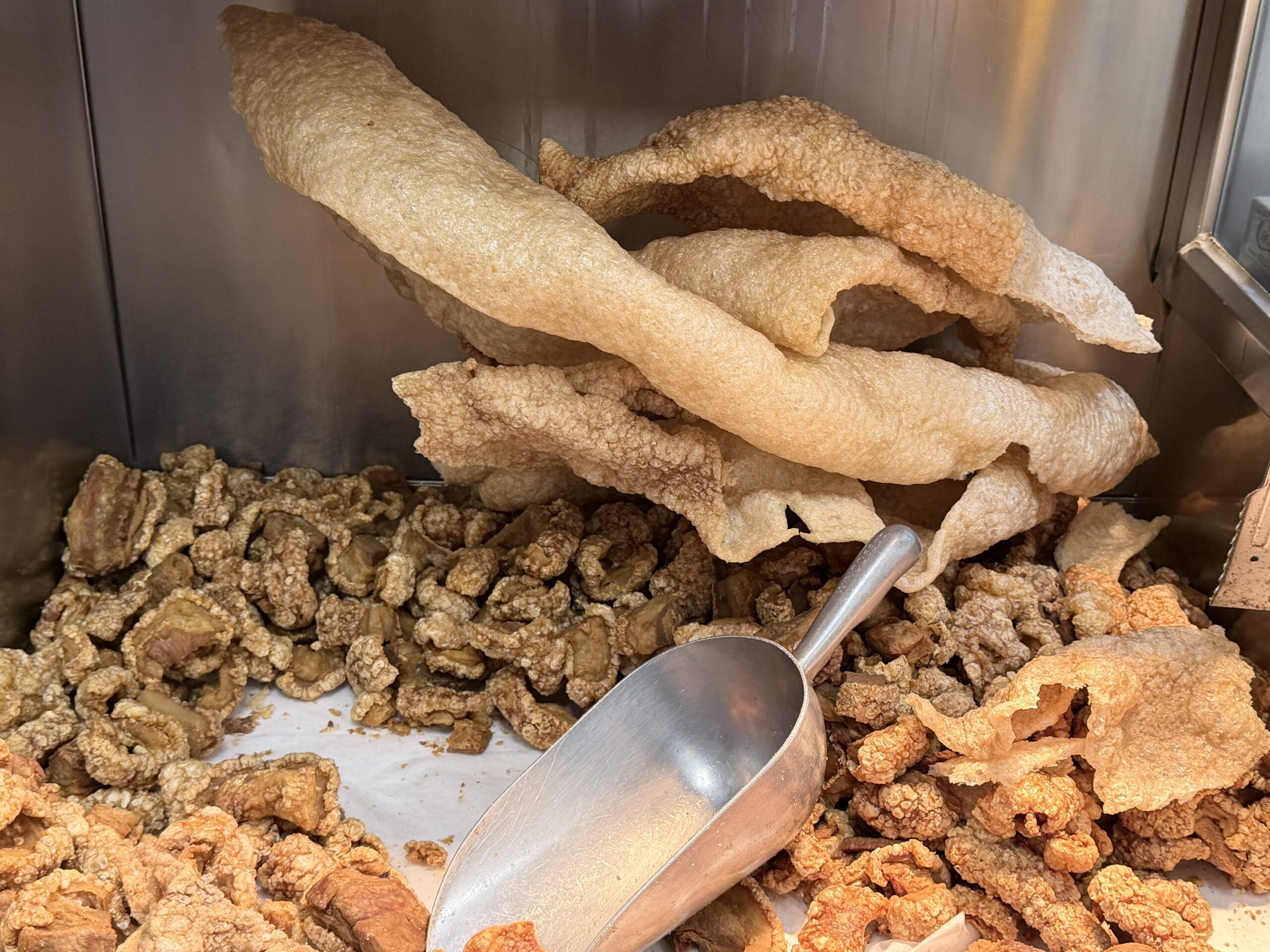
Specialty foods like chicharones (pork rinds), carnitas and tamales — so many tamales — are prepared a hundred at a time.
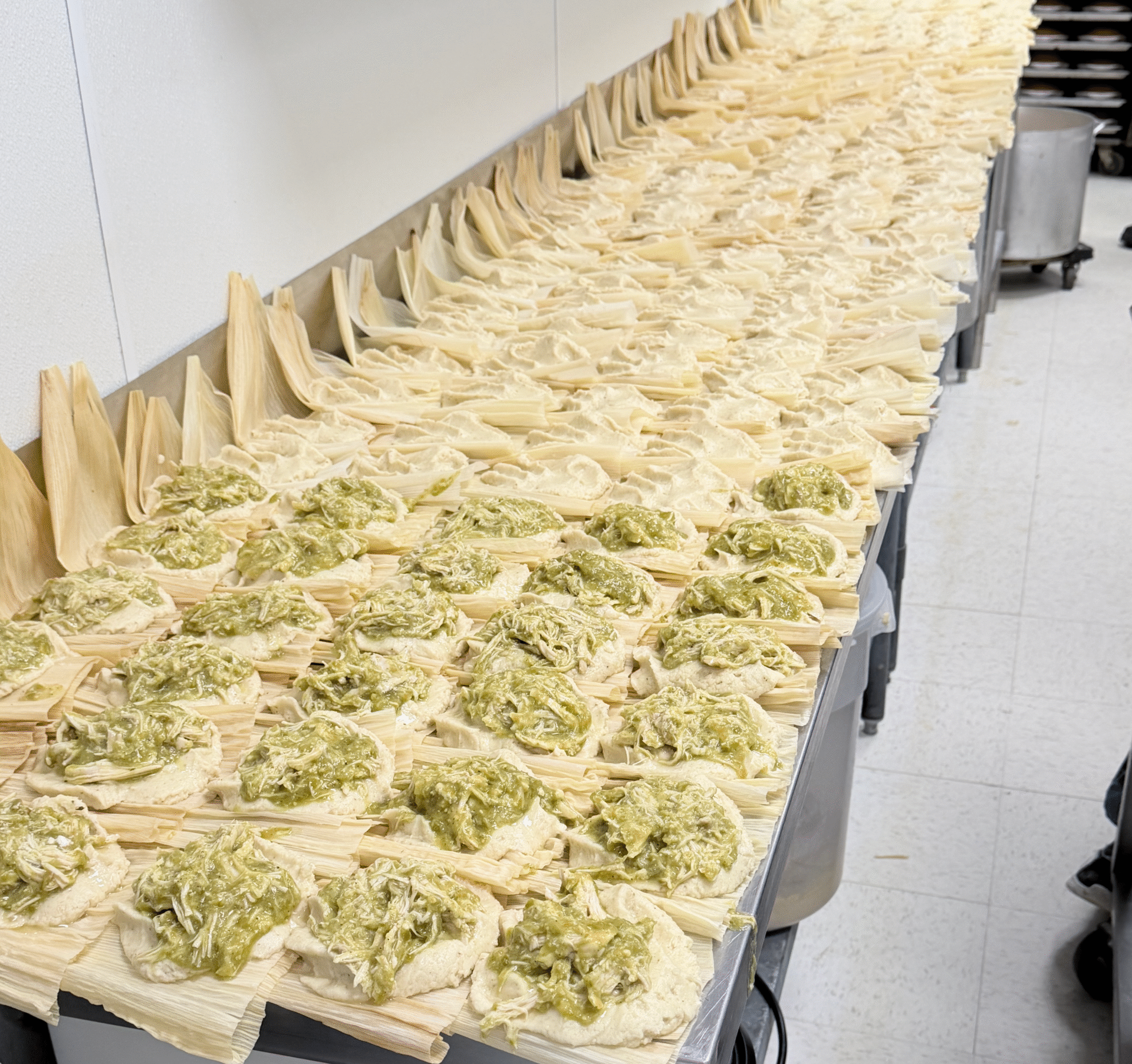
“We sold 2,500 tamales on Thanksgiving. Five thousand that week,” Tony said.
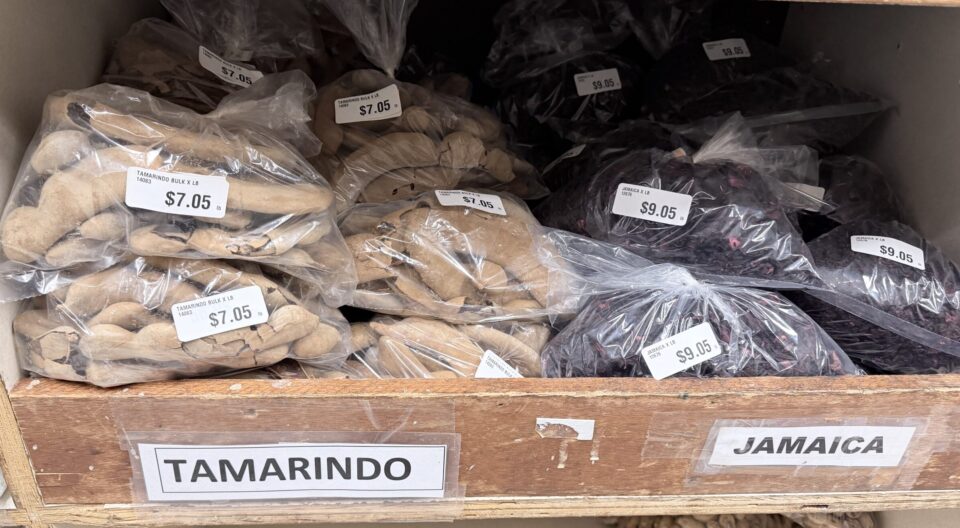
They package up wholesale beans, chilis and tamarind fruit, a staple in many Mexican dishes.
 Employees here are treated like family. In fact, the owners now help with certain government paperwork – documents that function like a living will – if employees or customers are unexpectedly picked up by ICE. The on-staff notary is free.
“They [ICE] grab people and leave their cars and leave their kids,” Tony said. “The kids go to CPS [Child Protective Services]. I know CPS does some good things, but you do not want your kids in CPS.”
The paperwork outlines the government process and identifies people legally designated to take care of children and bank accounts.
“We are designated to take the son of one employee who has worked for us for 18 years,” Tony added.
“You can fill out paperwork so if you are deported, someone can wire your money from your bank here to a bank in Mexico.” That’s because you can lose your money when you are deported if there’s no plan for your assets, he explained.
Their biggest battle? Misinformation
With so many things to focus on, it’s surprising that Tony’s biggest frustration is misinformation. “Influencers are not journalists. They just post things without fact-checking,” he said.
“A few months ago, someone posted that ICE arrested 15 people at a local Walmart. I was a block away so I went there to see what was happening and offer help. There was no immigration. No arrests. So I did a small video saying it wasn’t true,” Tony said.
He is especially frustrated when people post pictures of local law enforcement vehicles near local stores and the post says it’s ICE. “It’s not. You can see it’s local police. Just look at the car.”
True or not, it is enough to scare customers away for days. And that impacts the bottom line.
He tells customers “Read local news, the Everett Herald or watch KOMO-TV. Influencers just want clicks.”
A cultural experience or just Felipe?
Felipe has one rule when you enter Los Gavilanes. You can take any food — bread, water, coffee, chicharones — for free if you eat it in the store. That rule applies to everyone, not just Spanish-speaking customers.
“Don’t take my word for it, ask my customers. They will tell you,” Felipe said.
Jaime Mendez, co-owner and reporter for Se Habla Media, backs him up. “It’s true! That’s Gavilanes. If you did that in Fred Meyer, you’d be arrested! That really surprises people.”
Felipe has plans to expand his little store with the miles of aisles to serve more members of the community. If you don’t live in the neighborhood, it’s worth the trip. The desserts are amazing and you can eat it for free if you stick around. You can find it at 209 East Casino Road, Everett.

/



Real first and last names — as well as city of residence — are required for all commenters.
This is so we can verify your identity before approving your comment.
By commenting here you agree to abide by our Code of Conduct. Please read our code at the bottom of this page before commenting.