
Will you chip in to support our nonprofit newsroom with a donation today?
Yes, I want to support My MLTnews!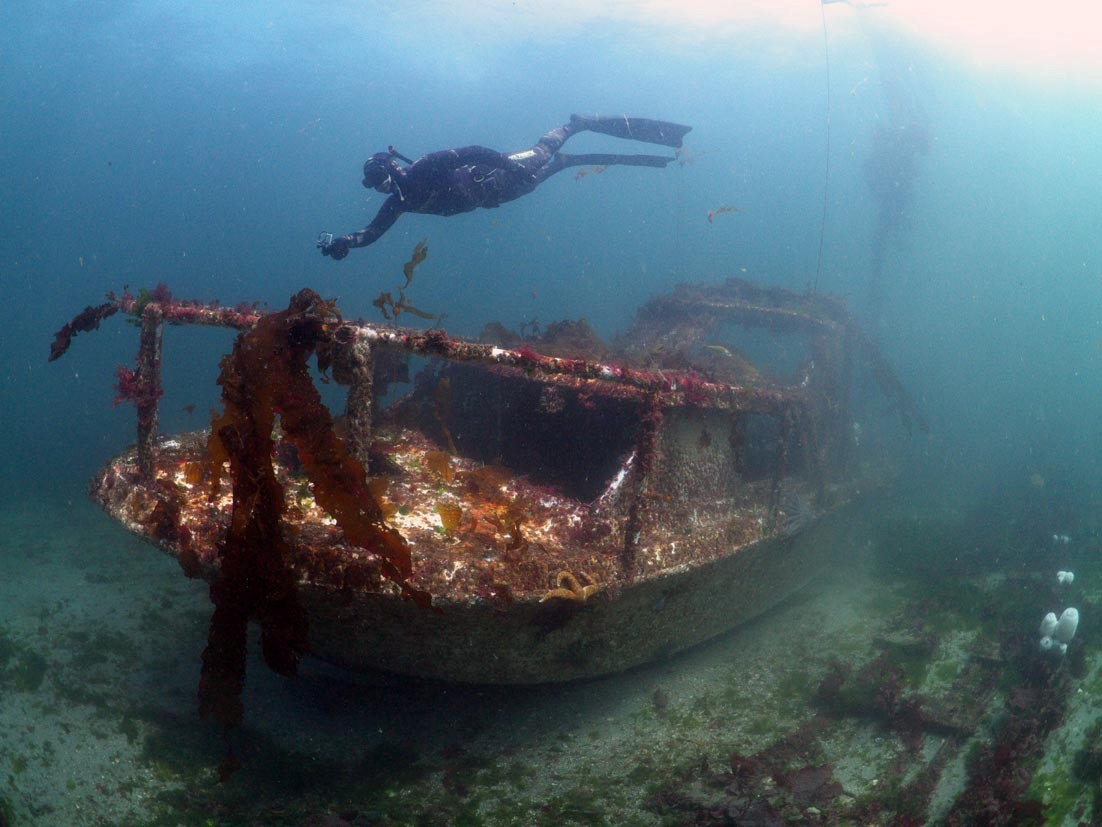
Editor’s note: This is the second installment of a monthly column about the Edmonds Underwater Park.
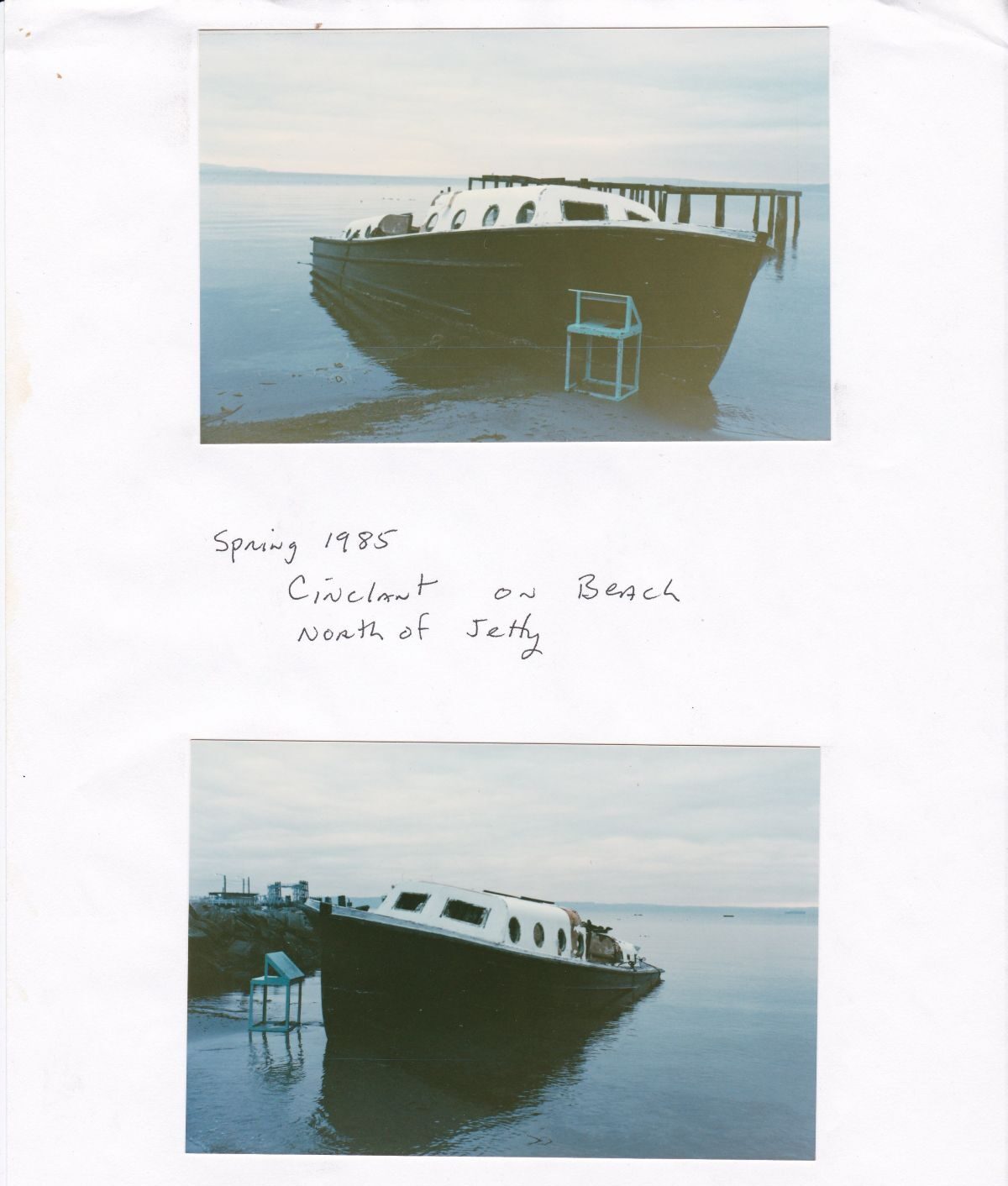
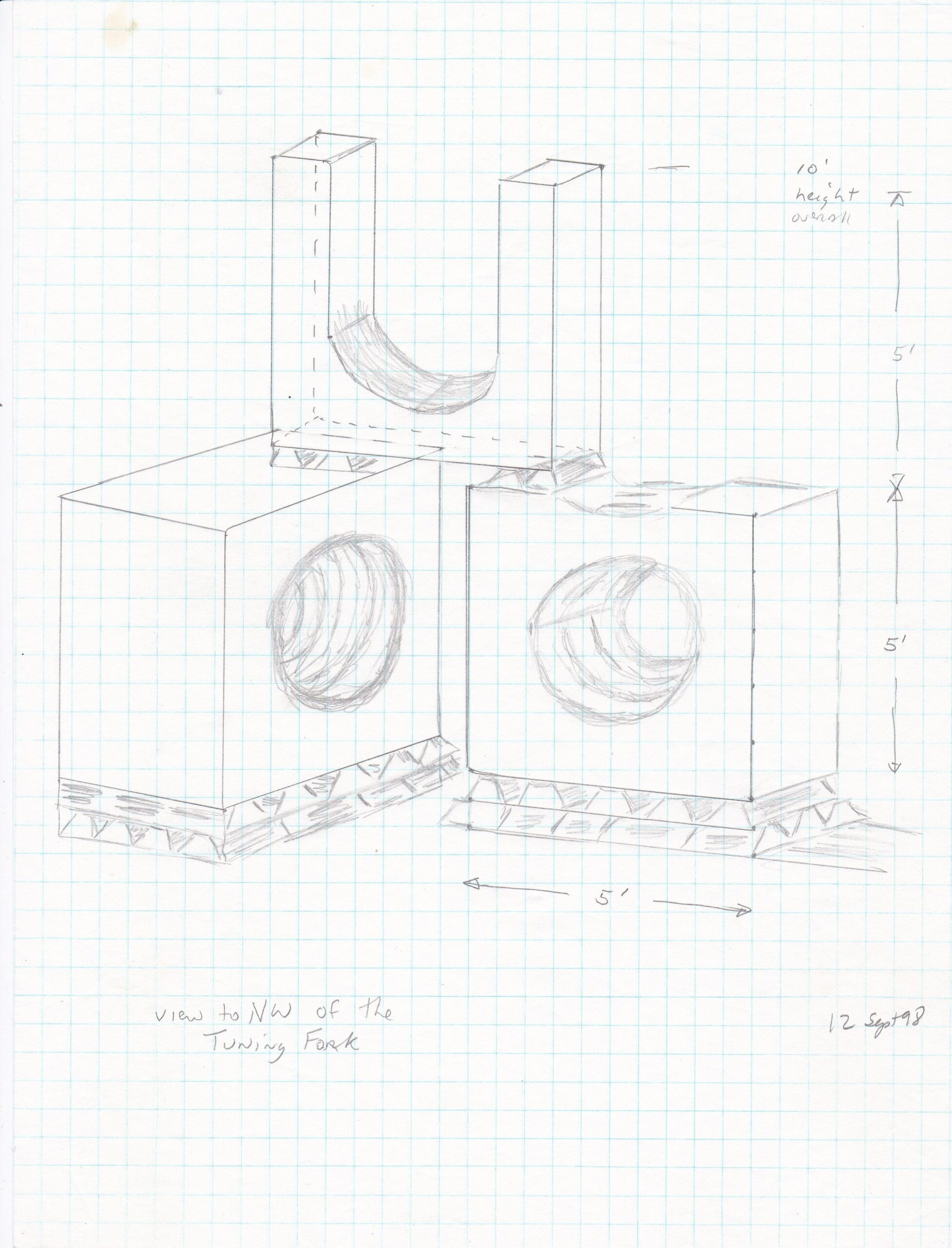
Art installations, hideouts for aquatic creatures, shipwrecks and even a 10-foot-tall tuning fork — these are some of the landmarks divers can visit in the Edmonds Underwater Park off the coast of Brackett’s Landing North.
Like Hansel and Gretel who tried to mark their trail using breadcrumbs, park stewards have tried using various markers to guide the 25,000 divers who visit the park each year.
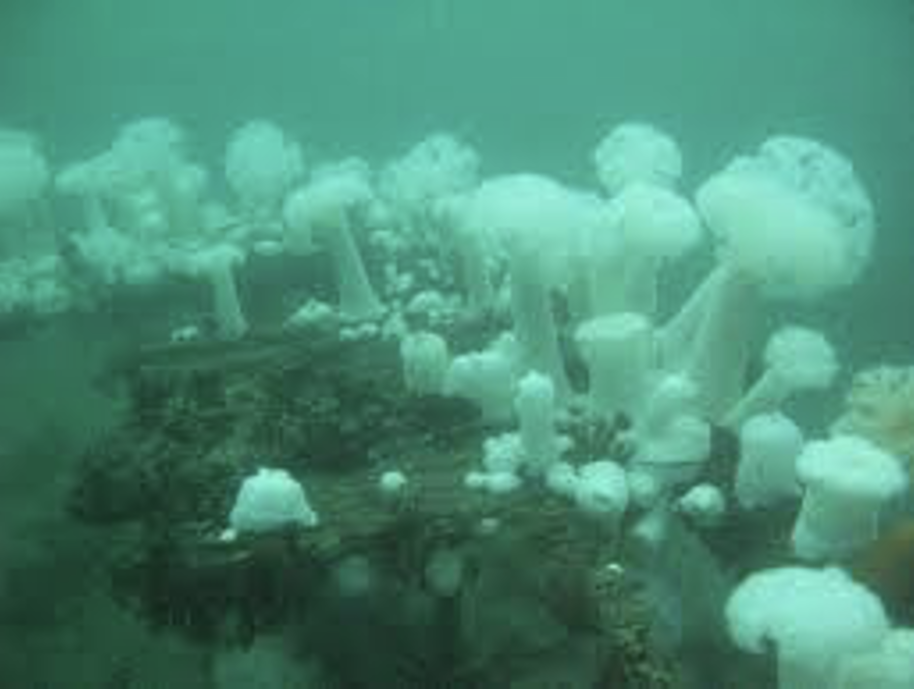
Unlike the breadcrumbs, the markers that turned out to work are concrete blocks. You might not expect an article about concrete blocks to be scintillating, but if you were a black-eyed goby, a young rockfish or an octopus, you would be thrilled by these affordable condos. And nothing is more beautiful than a garden of anemones on the blocks’ surface.
The gritty details
The blocks weigh about 16 lbs. each in the water (the water’s buoyancy makes them lighter), and we have a process for their placement.
First, we establish the path with a tape measure along the bottom, following magnetic direction — usually N-S or E-W. These blocks are spaced about 5 feet apart, so we can easily calculate how many we need for each path.
The blocks are heavy on land. Funny story: Watching Bruce carry one at a time from his truck to the waterfront was too much for a local walker last month. She went and picked up a block, walked right through a diving class of about 20 strapping young men, and they got the hint. They each carried two blocks and had that truck unloaded in about two minutes.
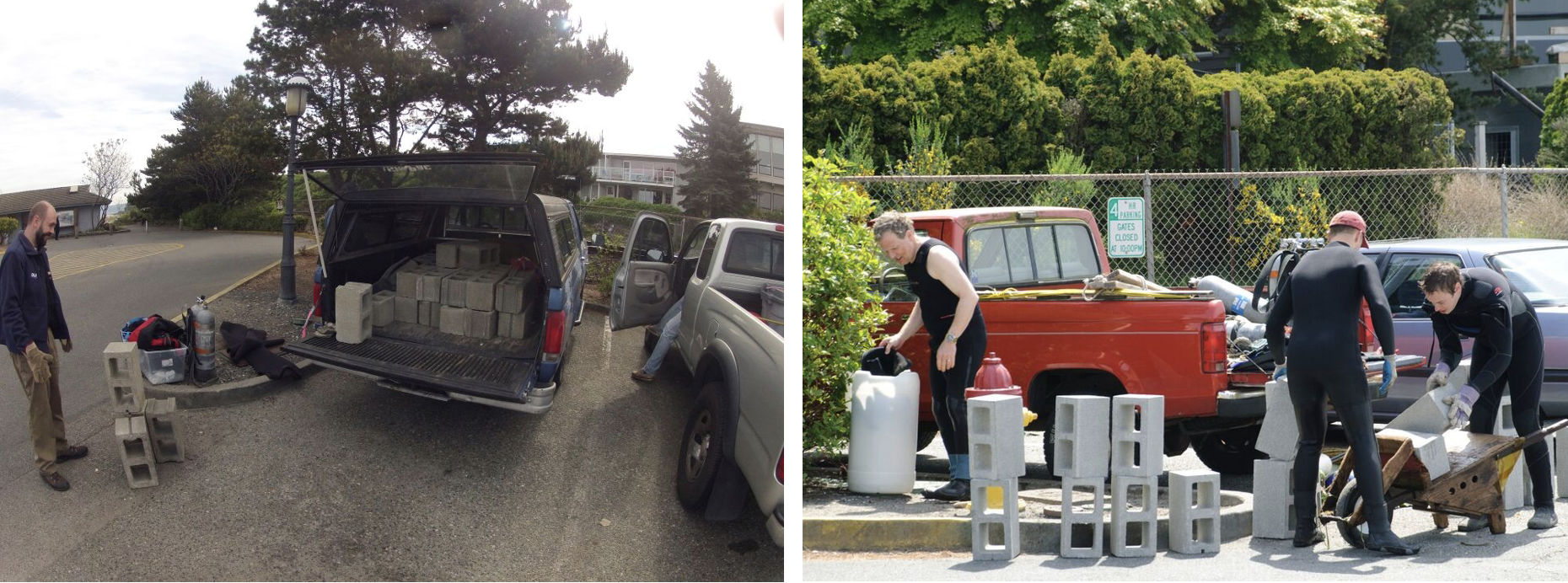
We place the blocks at the water’s edge at low tide; then once the tide is in, we lash them together using 2x4s to keep them from sagging and swim them out to the project site.
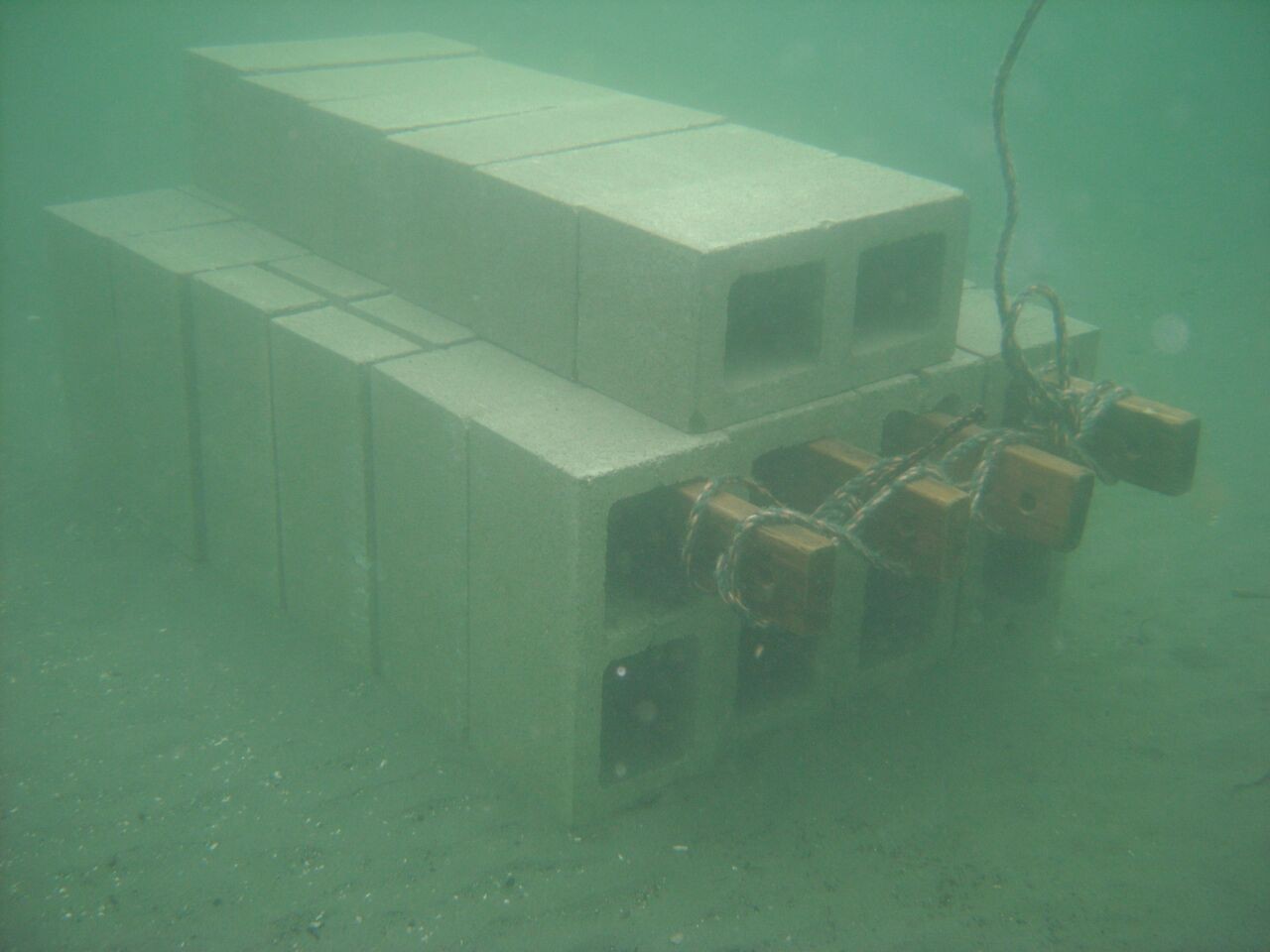
To lift the block of blocks, we blow air into 55-gallon drums lashed onto each end. At the destination, we vent the air from the drums, and the blocks sink to the bottom, where we can distribute them along the tape-measure path.
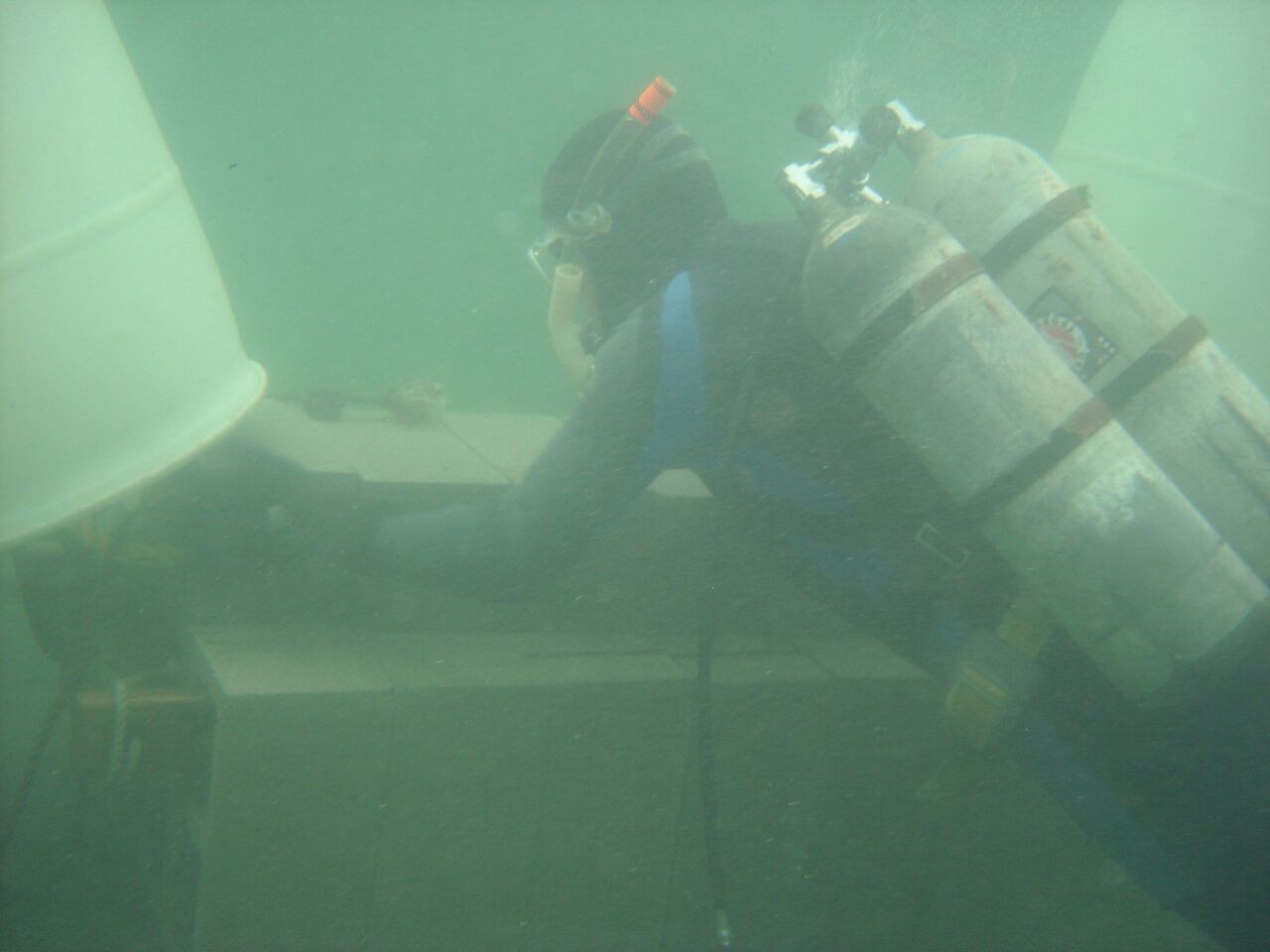
The 5-foot spacing is about the arm reach for a diver to have something solid to hang on to. That way, in a strong current, divers can pull themselves along the trail this way.
Once the blocks are in place, we connect the breadcrumbs visually by threading rope lines through the blocks and lashing them together.
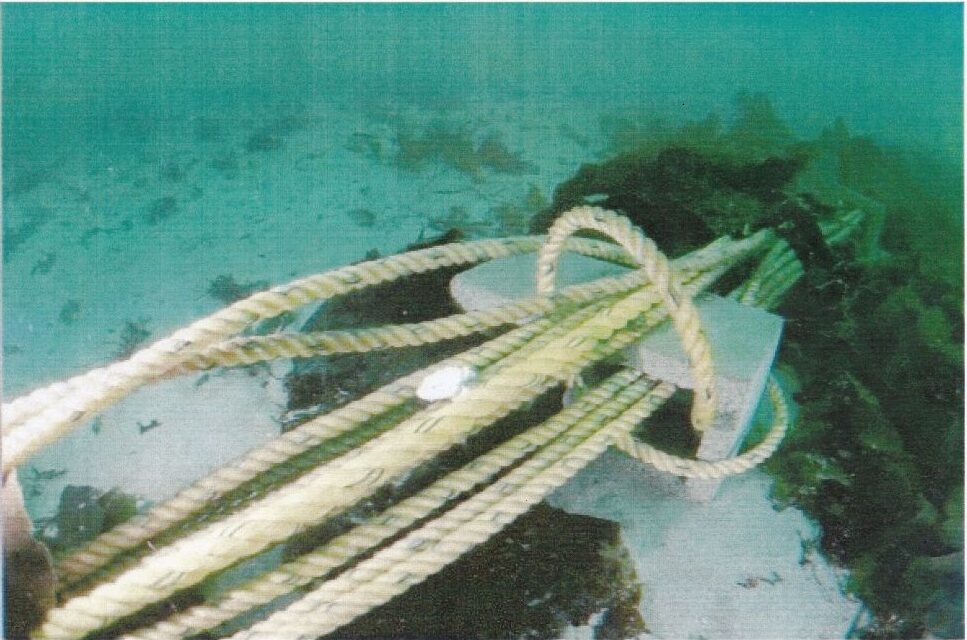
The blocks are not just for humans. They also provide shelter for smaller critters and a surface for barnacles and anemones to attach themselves. The cover provided by the blocks made them home for at least one phase of their growth, as critters migrate about during the seasons.
The anemones help make the trail more visible, and the lines connecting the blocks attract red algae, which hides the rope and provides a fluffy red ID for the path.
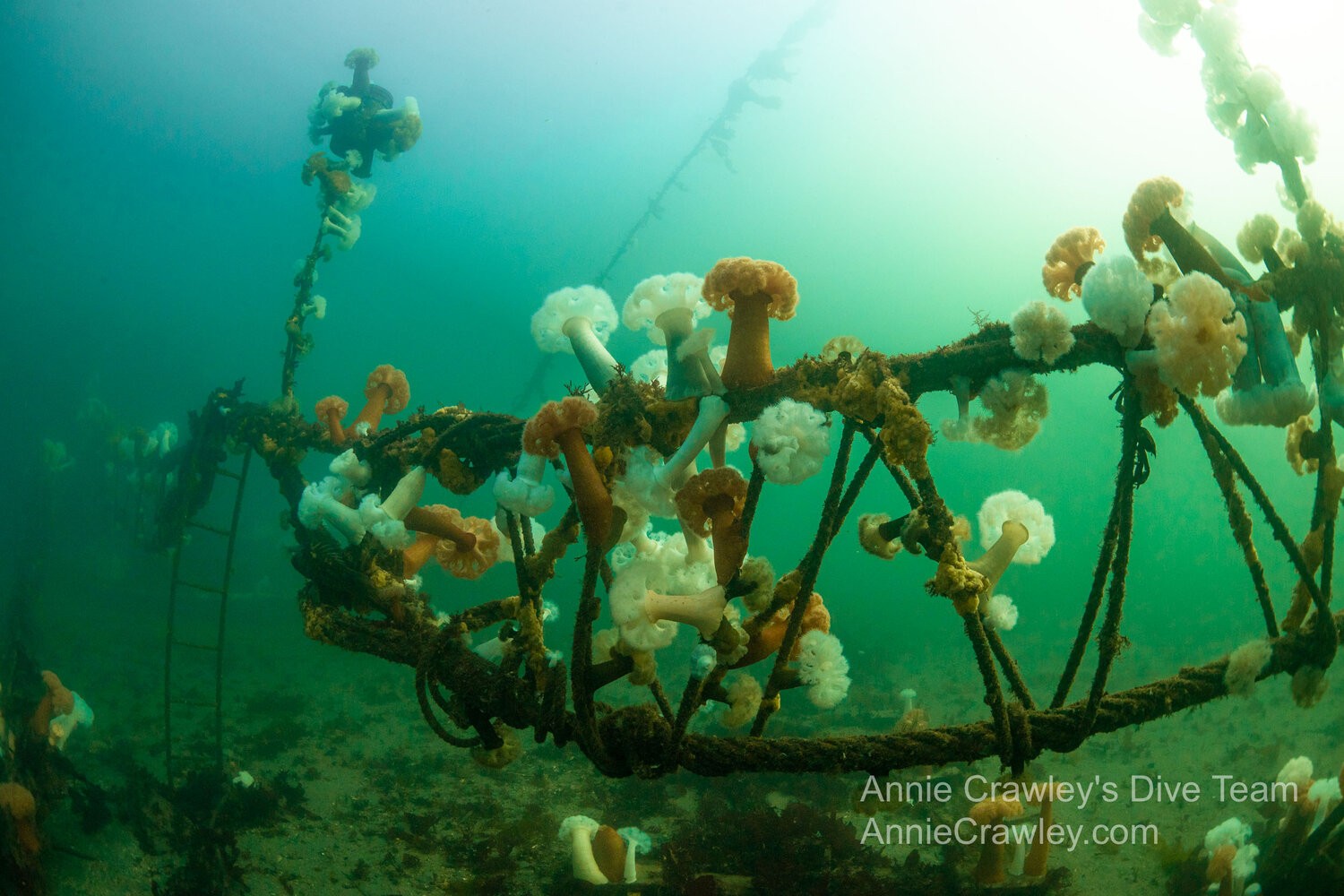
The 2.5 miles of trails are a feature all their own, in contrast with the nominally sandy bottom where the solid substrate provides no cover for critters.
North in the Park, we have found small wolf eels hiding in the blocks. My dive buddy Tro named them “Nugget” because when they’re young, they are orangish and look like chicken nuggets gazing out of the blocks. At most sites in the park, the blocks provide cover for shrimp species that hide inside and feed on the plants growing on the surface.
They can also hide in the anemones that live on the block’s surface; the candy-striped shrimp are the most stunning.
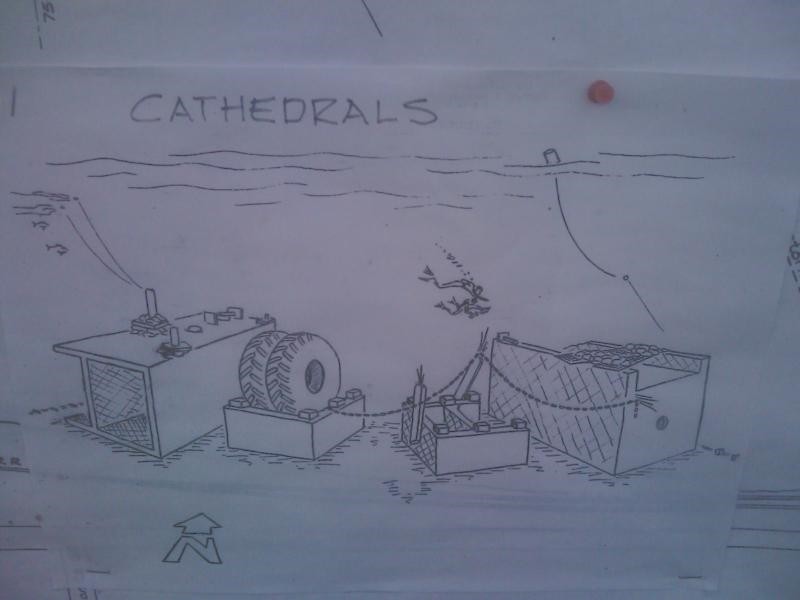
Freebies help us repurpose, reuse and recycle
Over the years, we’ve had generous donations of block, either for free or low cost. During the construction of the current Edmonds-Woodway High School, the contractor ordered blocks to match the school colors, only they were the wrong shade, so they donated them to us. The color was a signal to divers which trail they were on.
Another donation came from Mutual Materials. Some specialty blocks shipped to Alaska by barge were rejected by the buyer because they were stained by steel banding, but the fish and divers didn’t mind the stain marks.
One large donation came from the closure of Greggerson Pre-Fab Homes on Highway 99. They made us a deal on 900 blocks that had been used in their model show lot, and now they are distributed throughout our trail system. When necessary, we purchase blocks from Home Depot a few at a time, as storing the blocks at our homes became an issue with our spouses.
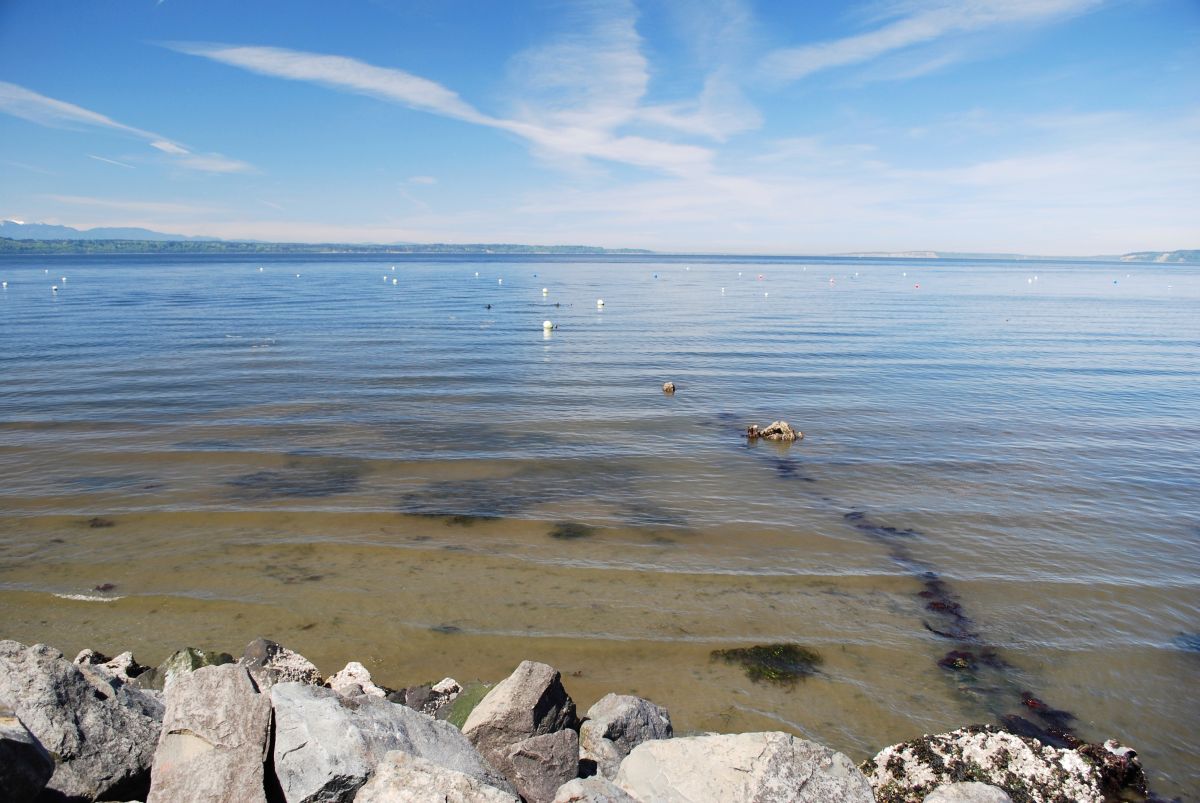
Edmonds Underwater Park is an ever-changing seascape. If you stand on the jetty and look out at the buoys, you’ll start to see a pattern. The buoys mark the intersections of the 10 trails that go north/south and the eight trails that go east/west.
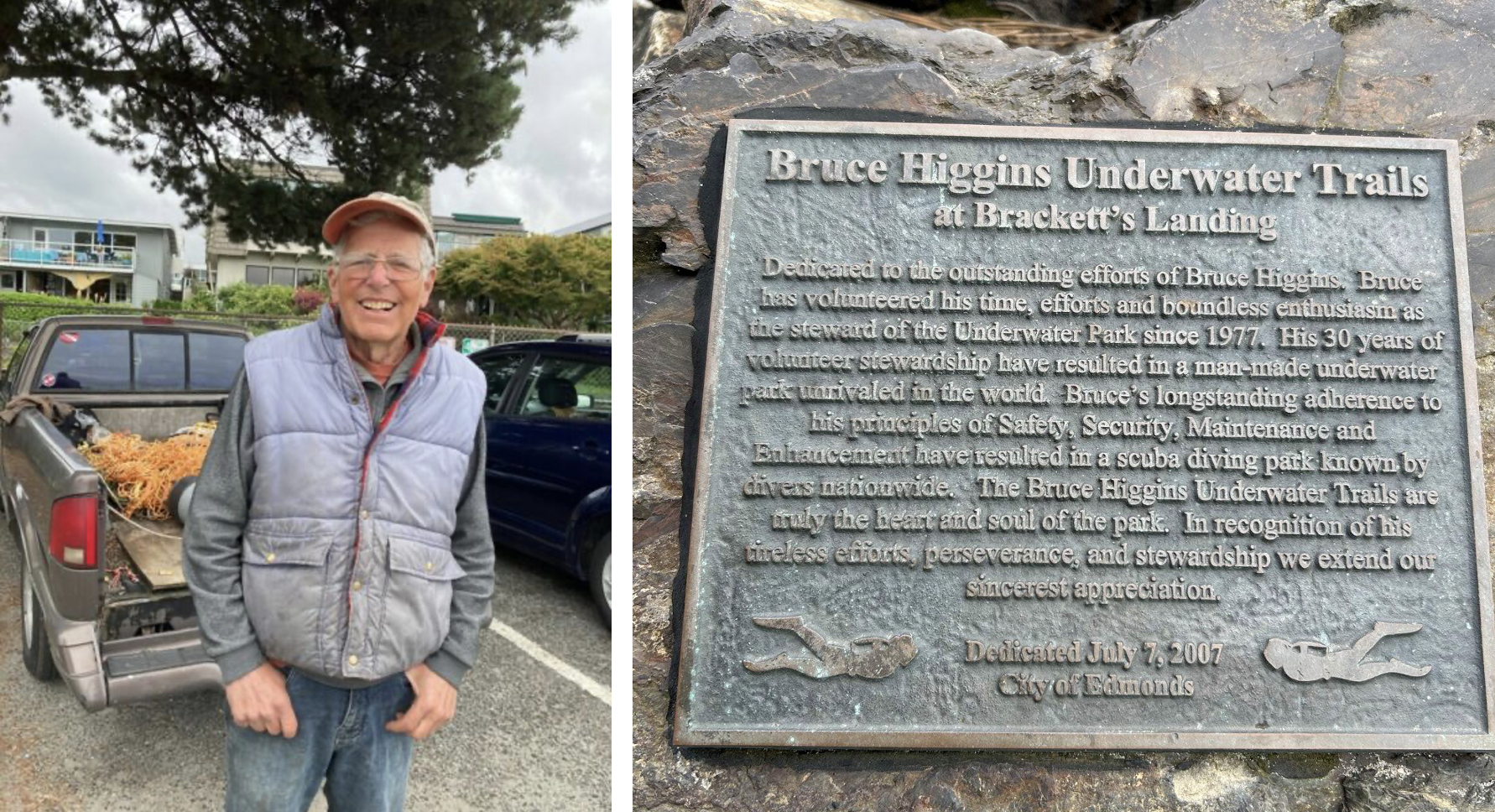
Bruce Higgins got involved in diving in 1970 at the University of Michigan, earning a degree in oceanography and meteorology, then went on to get a degree from Oregon State University in ocean engineering. He moved to the Seattle area in 1976 to teach at Shoreline Community College. In the ’80s and ’90s, he worked on the Exxon Oil Spill as a Research Diver. He has overseen the Edmonds Underwater Park since 1977.


Real first and last names — as well as city of residence — are required for all commenters.
This is so we can verify your identity before approving your comment.
By commenting here you agree to abide by our Code of Conduct. Please read our code at the bottom of this page before commenting.