
Will you chip in to support our nonprofit newsroom with a donation today?
Yes, I want to support My MLTnews!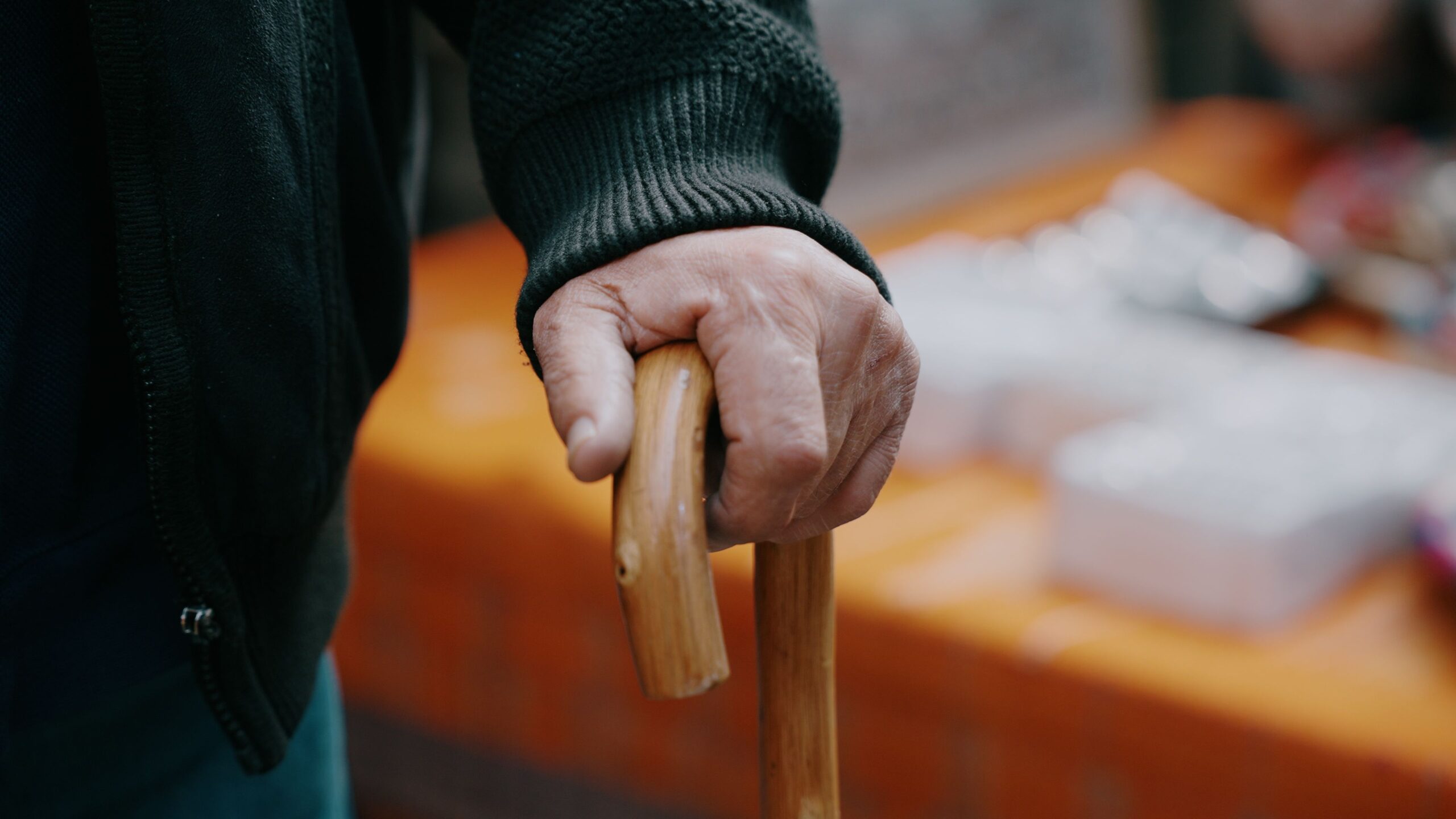
For most people, home is where the heart is. That is why many older adults prefer to age in place – somewhere that is familiar and comfortable to them, and where they spent most of their lives.
However, according to some nonprofit organizations in Snohomish County, aging in place requires many types of support.
“As people are aging into their 90s, and even 100 years old, they’re going to need more help,” said Alison Pence, Northwest Neighbors Network (NNN) executive director.
In Edmonds, about 24% of residents are 65 years old and older, according to the 2020 United States Census Bureau. That same age group makes up about 17% of residents in both Lynnwood and Mountlake Terrace.
The 2026 Snohomish County Point-in-Time Count results show that 83 — or 7.1% — of the 1,163 people who experienced homelessness on a single night were 65 years old and up. Of the seven different age groups, this age group ranked the sixth highest.
According to the National Institute on Aging, aging in place requires careful consideration. It involves planning ahead, finding home-based care services and making the home safe and accessible.
Northwest Neighbors Network is a nonprofit that helps older adults and adults with disabilities in South Snohomish County and North King County thrive in their homes. The organization connects volunteers to those who need a ride, assistance with household tasks or a walking partner, among other services.
Pence said NNN’s most-requested service is transportation. She said many members have given up driving, which means they need someone to take them to their medical appointment, church or grocery shopping.
“For many of them, they’ve lived in their house, raised their children and own their home,” Pence said, “and now the kids are gone, and there are things that they can’t do anymore.”
NNN’s goal is for people to stay in their home, Pence said, but at some point they may not be able to. The nonprofit is not equipped with social workers or nurses, and she said there is only so much the organization can do to help.
Fortunately, there are other entities in Snohomish County that people can turn to.
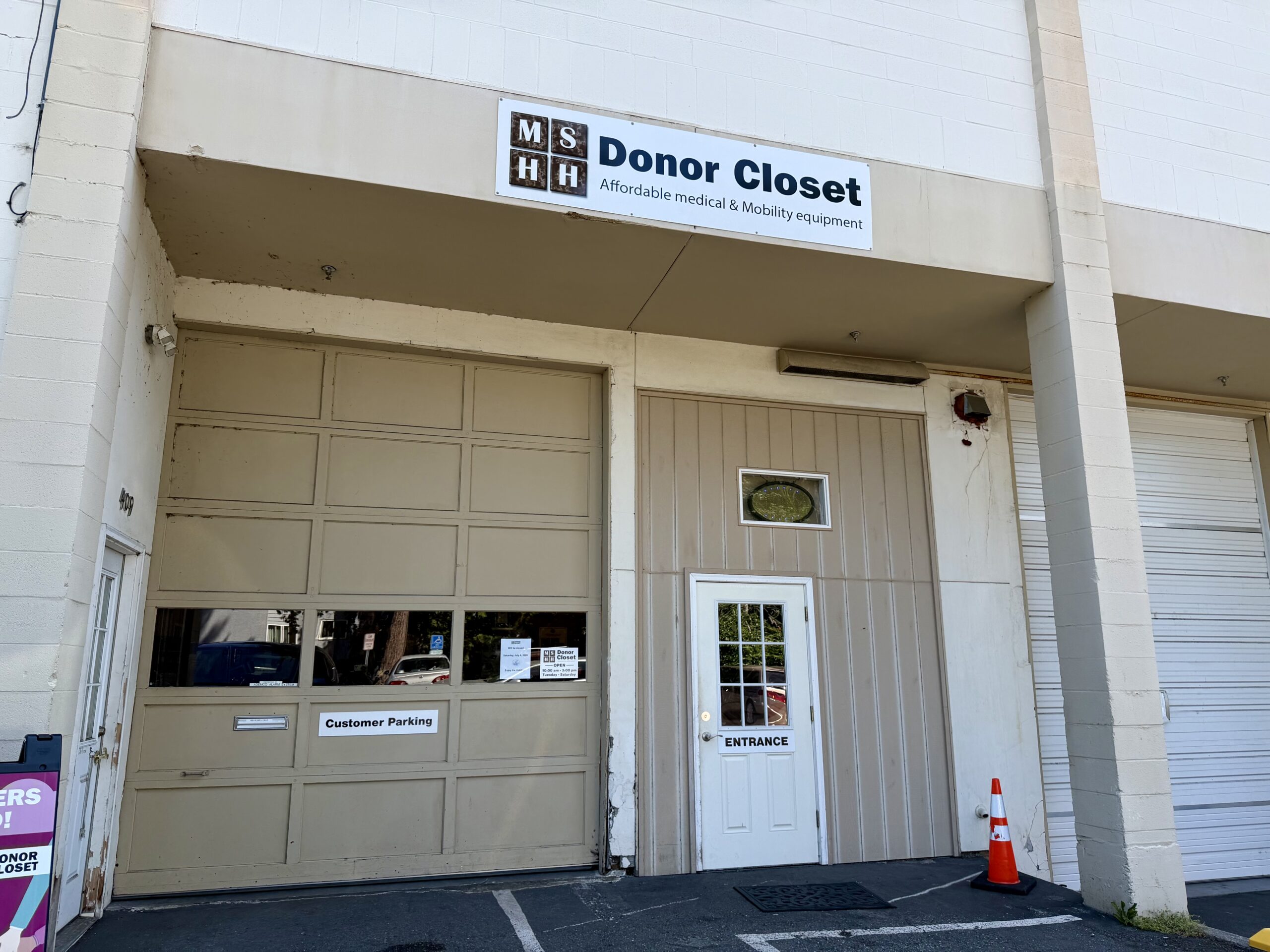
The MSHH Donor Closet at 409 Howell Way in Edmonds offers affordable medical and mobility equipment such as hospital beds, scooters and power chairs. The money the nonprofit earns goes to those with multiple sclerosis in Washington, Northern Idaho, Montana and Alaska.
The Donor Closet – open from 10 a.m. to 3 p.m. Tuesday to Saturday – accepts donations of no-longer-needed equipment. Volunteers refurbish it and sell it for an amount that is usually less than half of what customers would pay elsewhere.
John Minea, Donor Closet executive director and treasurer, said volunteers at the closet help educate families about different types of equipment. He said it’s easier when families come with a list from a physical or occupational therapist.
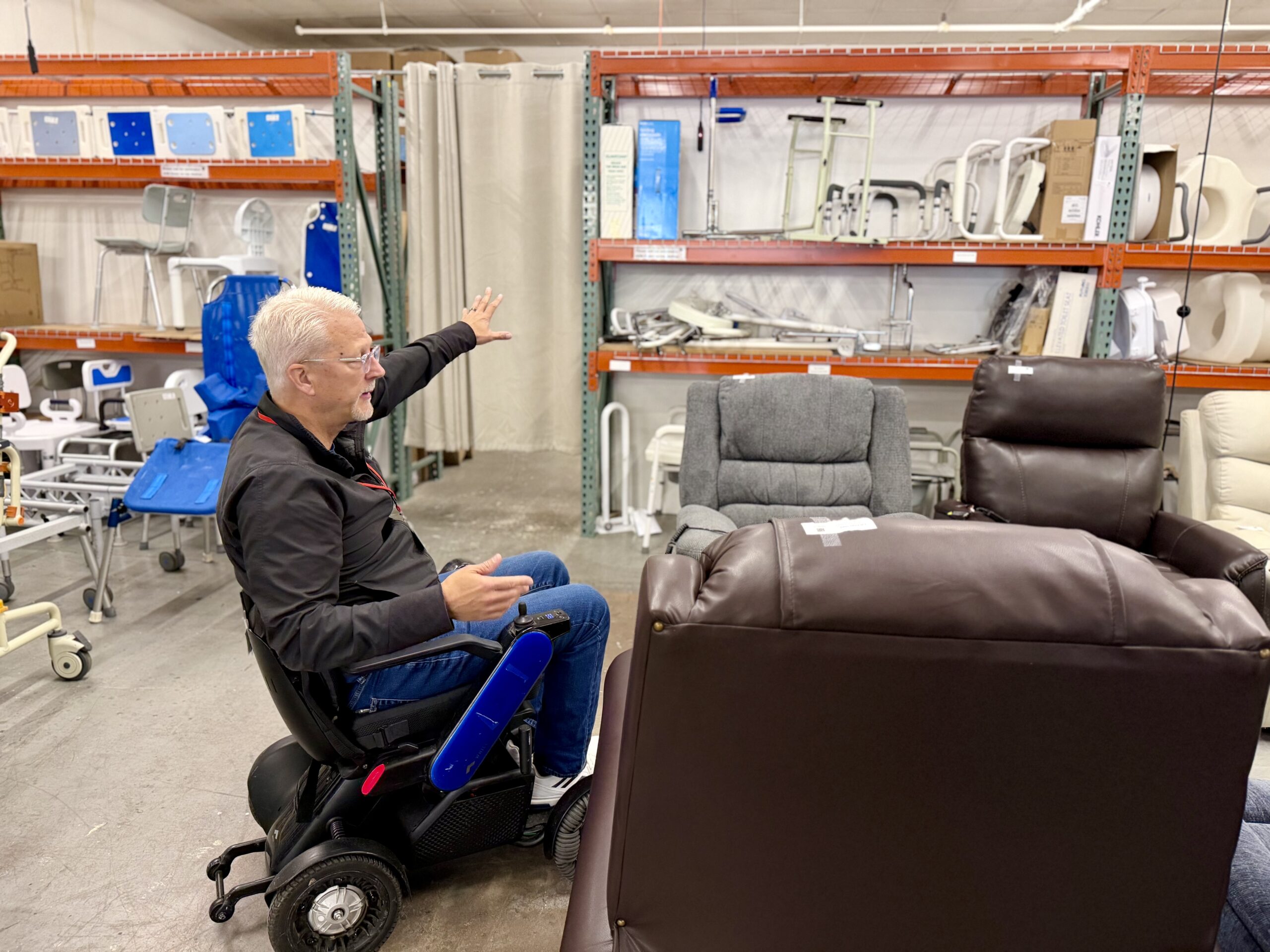
Minea said people will choose where they want to age and often finances drive those decisions. Families ultimately have to decide; the Donor Closet’s goal is to support families and help them problem-solve, he said.
“We just try to keep people safe,” Minea said.
Nana Bath, a Bothell-based bathroom remodeling company, specializes in making accessible bathrooms by installing features, such as comfort-height toilets, low-threshold showers and grab bars.
Nana Bath founder Vadim Kovalevich said his company is less than a year old. He said he wanted to work exclusively with older adults who want to age in place after spending some time working in healthcare, specifically geriatric care.
Kovalevich recalled a time when he was an in-home caregiver for a man in Seattle who lived in the home where he was born. The man’s parents also died in the home. The man didn’t have any children, so he lived there until he died.
“I sat with him for many hours,” Kovalevich said. “For him, that was one of the most cherishing things – that he was able to stay in his birth home, and it was his identity.”
Kovalevich said he saw a need from older adults who struggle with getting up or picking things up. So he started a company to meet them where they’re at.
Kovalevich said his company focuses on bathroom safety because 80% of falls at home happen there. After a fall, there is a “massive shift” in almost every aspect of a person’s life, he said.
According to the U.S. Centers for Disease Control and Prevention, “falls are the leading cause of injury for adults ages 65 years and older.” One in four older adults, or over 14 million, report falling every year.
“An older person falling is a huge issue,” Kovalevich said.
A person’s quality of life is deeply connected to their home, Kovalevich said, and Nana Bath’s goal is to keep people living in their homes as long as possible.
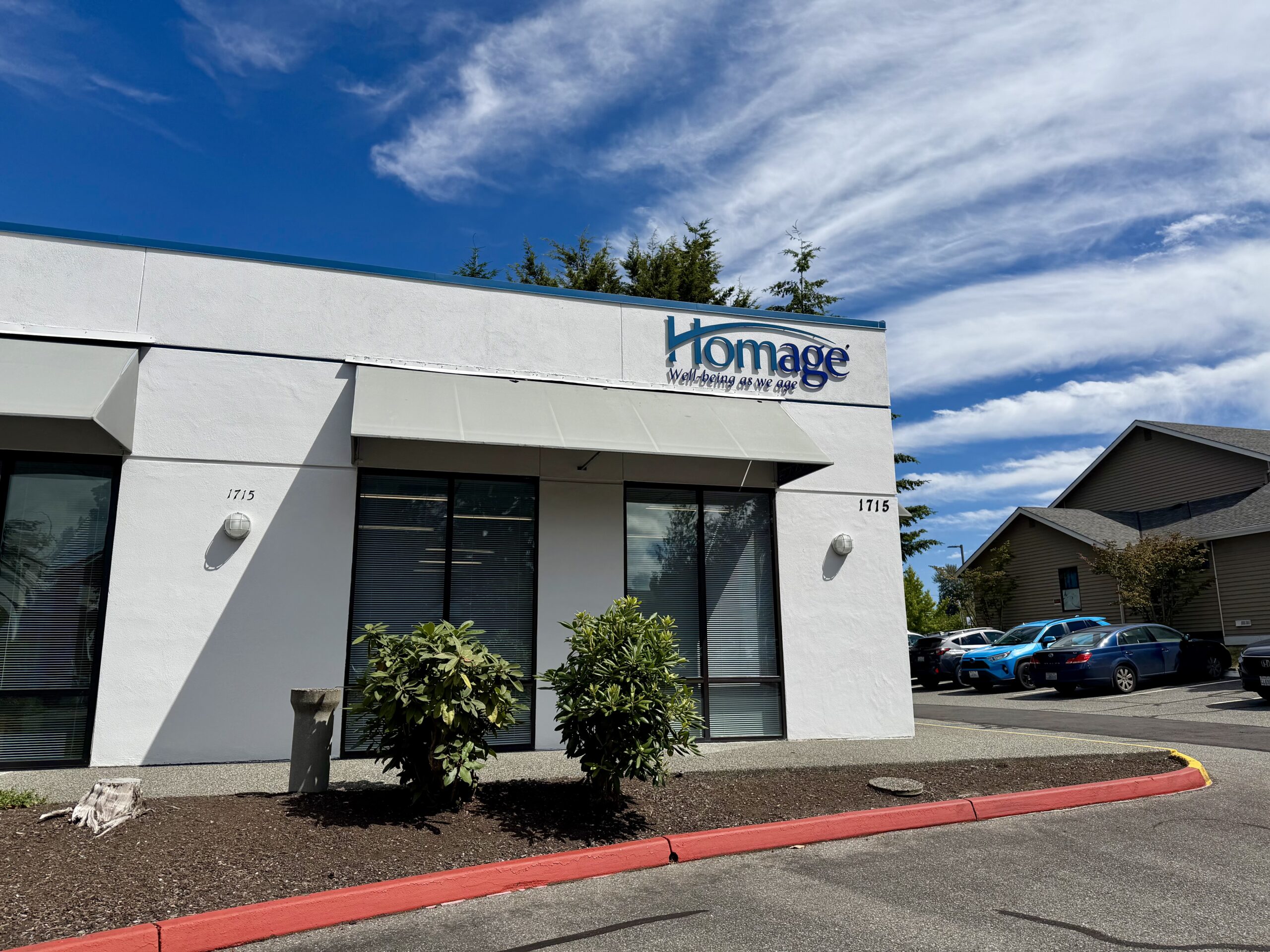
Homage Senior Services has been serving Snohomish County for 52 years, offering food and nutrition, health and wellness, home repair, social services and transportation programs to low-income older adults and people with disabilities.
As the largest provider of services for older adults and people with disabilities, Homage’s goal is to help maintain health, independence and quality of life. The nonprofit serves more than 25,000 individuals per year, according to its website.
In addition to Homage’s minor home repair program, the nonprofit has a home modification program that includes an assessment by a licensed occupational therapist. It is grant-funded by the U.S. Department of Housing and Urban Development’s Office of Lead Hazard Control and Healthy Homes.
Homage Senior Director of Programs Juli Rose said the home modification program is provided at no cost to eligible participants. Through the program, Homage can install shower benches, taller toilets and anything to make the home more accessible or prevent a fall.
“I’ve been in minor home repair [for Homage] for 17 years,” Rose said. “The number of people who fall in their bathroom and hit their head on the toilet or the bathtub – it’s horrifying.”
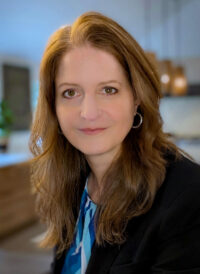
During the occupational therapist’s assessment, Rose said the client and therapist do a walk-through of the home so the therapist can see how the client cooks, showers and gets dressed. From there, the therapist suggests improvements that could be made to the home. After improvements are complete, the therapist checks in on the client 90 days later.
Wraparound services help older adults age successfully at home, Rose said. In addition to home repairs and modifications, Homage has a meals on wheels program and also transports people wherever they need to be.
When it comes to unhoused older adults, Homage Director of Social Services Kristine Dillin said many of the nonprofit’s care coordination clients are currently living in hotels or shelters.
Homage ensures their clients have their paperwork filled out for coordinated entry and have a case manager. Dillin said the nonprofit also works with other agencies such as Volunteers of America Western Washington and South County Fire to assist unhoused older adults.
“We are very much all about talking to one another,” Dillin said. “Housing is one of the hardest things, I think, that we battle with here because there’s very limited inventory and limited funds.”
According to the National Alliance to End Homelessness (NAEH), “older adults are the fastest growing segment of the unhoused population.” Many of them are experiencing homelessness for the first time due to a health crisis, job loss or death of a spouse/partner.
Dillin said social services programs are a part of Homage’s wraparound services, making sure older adults have support systems in place and have access to mental health counseling services.
Homage hosts a memory cafe that involves crafts, music and other activities. It’s open to those experiencing changes in memory or thinking, along with their family, friends and caregivers from 10-11:30 a.m. on the third Tuesday every month at 1715 100th Pl. S.E. in Everett.
“It’s a way to be really comfortable with the capabilities that you have around other people that are experiencing the same thing,” Dillin said.
From 10 a.m. to noon on the third Thursday every month at the same location, Homage hosts an open house for older adults to help with tasks such as filling out Medicaid forms and learning about caregiver support services.
Angelica Relente is a Murrow News Fellow covering housing and related issues in South Snohomish County for the My Neighborhood News Group. Contact her at [email protected].


Real first and last names — as well as city of residence — are required for all commenters.
This is so we can verify your identity before approving your comment.
By commenting here you agree to abide by our Code of Conduct. Please read our code at the bottom of this page before commenting.