
Will you chip in to support our nonprofit newsroom with a donation today?
Yes, I want to support My MLTnews!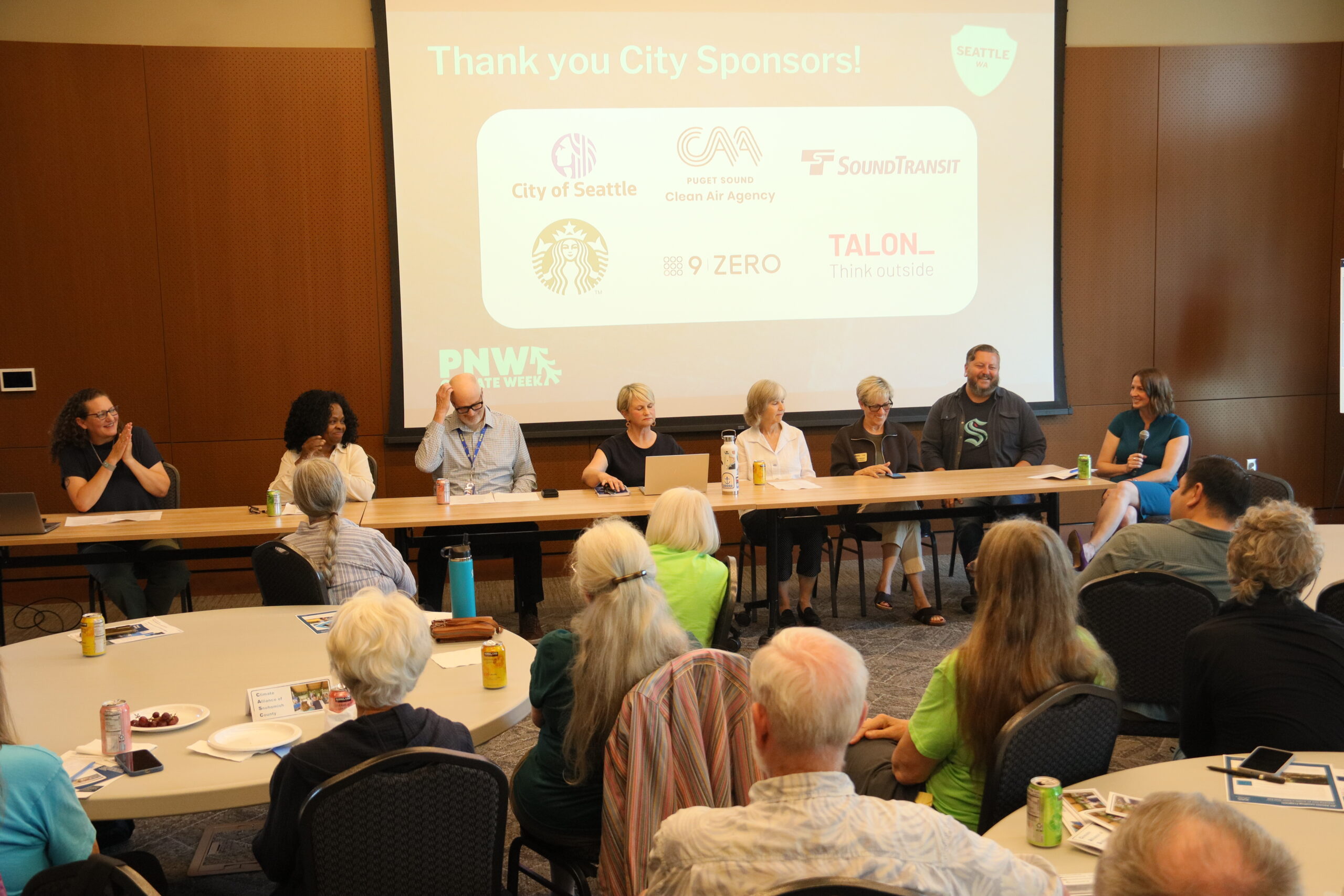
What will it take for cities across Snohomish County to move beyond planning and start taking action about climate change and air pollutants? That question brought regional leaders to the Lynnwood Neighborhood Center on Monday, July 13, as part of PNW Climate Week. They explored how local climate efforts can improve across Snohomish County and the Puget Sound region to speed up plan implementation and reduce greenhouse gas emissions.
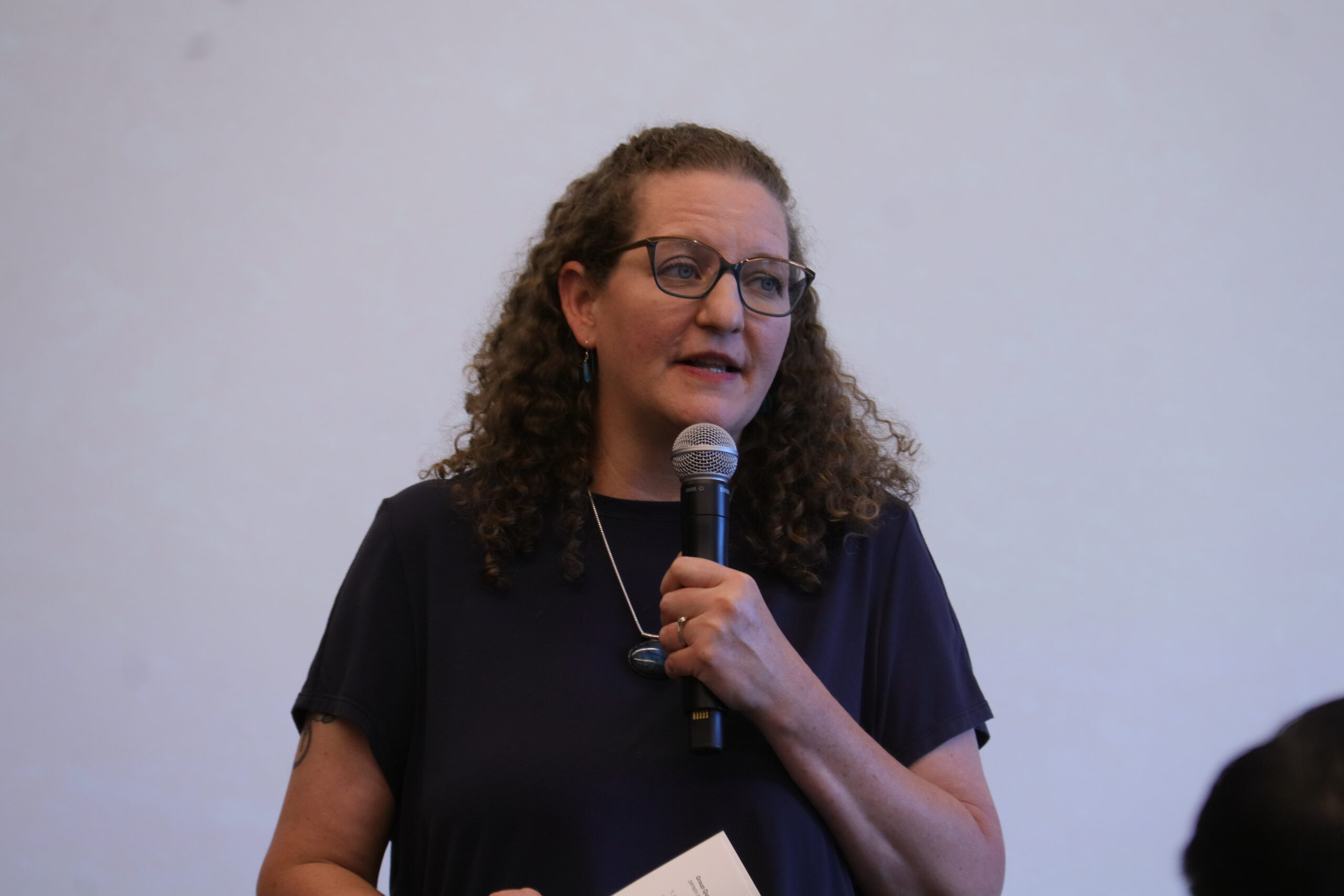
Snohomish County Energy and Environmental Sustainability Manager Molly Beeman said the County’s Climate Resiliency Plan intends to bring agencies together under a shared strategy for addressing climate impacts that are already affecting local communities. She pointed to events such as wildfire smoke from the 2022 Bolt Creek Fire and the floods in 2025 displaced dozens of people to an emergency shelter at the county fairgrounds as examples of why the County needs to prepare for more frequent climate-related emergencies.
Beeman said the County started by taking “a giant step back” to map all relevant federal, state and regional requirements, including its Hazard Mitigation Plan and the 2024 Comprehensive Plan update, which now has a climate resiliency element.
“One of the first phases of this plan was to figure out all the work that we’re already doing, so that we could document it for our future implementation and tracking,” Beeman said. “We also wanted this to reflect our community values, including the increasing problems that overburdened communities face from climate change.”
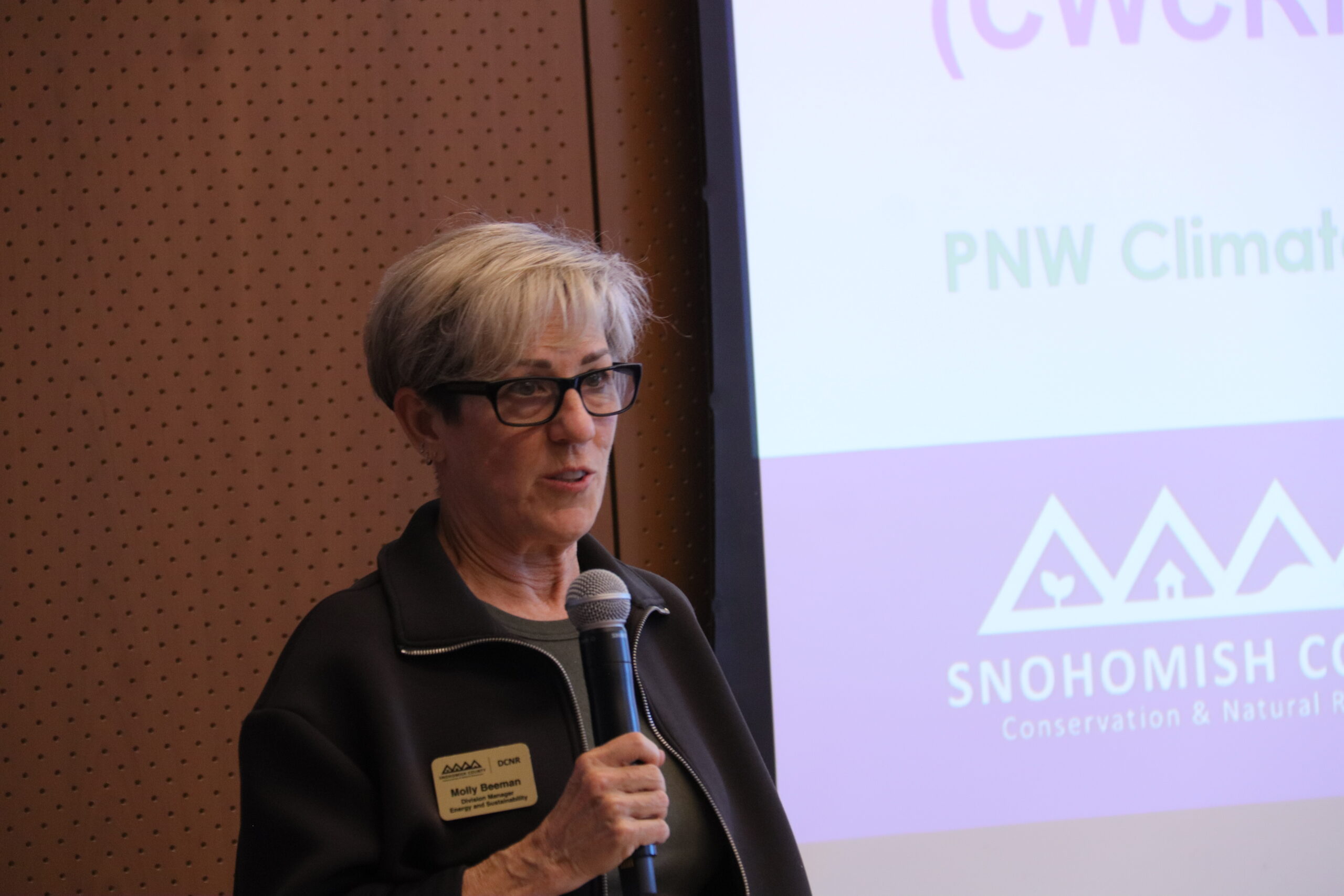
Beeman said the County launched the Plan in late 2024 and has since held public workshops and met with about 40 organizations throughout Snohomish County. After recently closing a 30-day public comment period on the draft plan, she said staff will incorporate feedback before presenting it to the County Planning Commission and eventually the Snohomish County Council.
Beeman said implementation has already begun, including the development of a GIS–based dashboard that will allow the County to track and measure progress toward its climate resiliency goals.
Sarah Hetrick of the Puget Sound Clean Air Agency said the agency is coordinating climate action across the Puget Sound region, including King, Kitsap, Pierce and Snohomish counties.
She said the agency’s Comprehensive Climate Action Plan is a roadmap that outlines 25 strategies and more than 100 actions to meet 2030 and 2050 climate goals. These include reducing transportation emissions and ensuring climate investments benefit communities most affected by pollution and climate impacts.
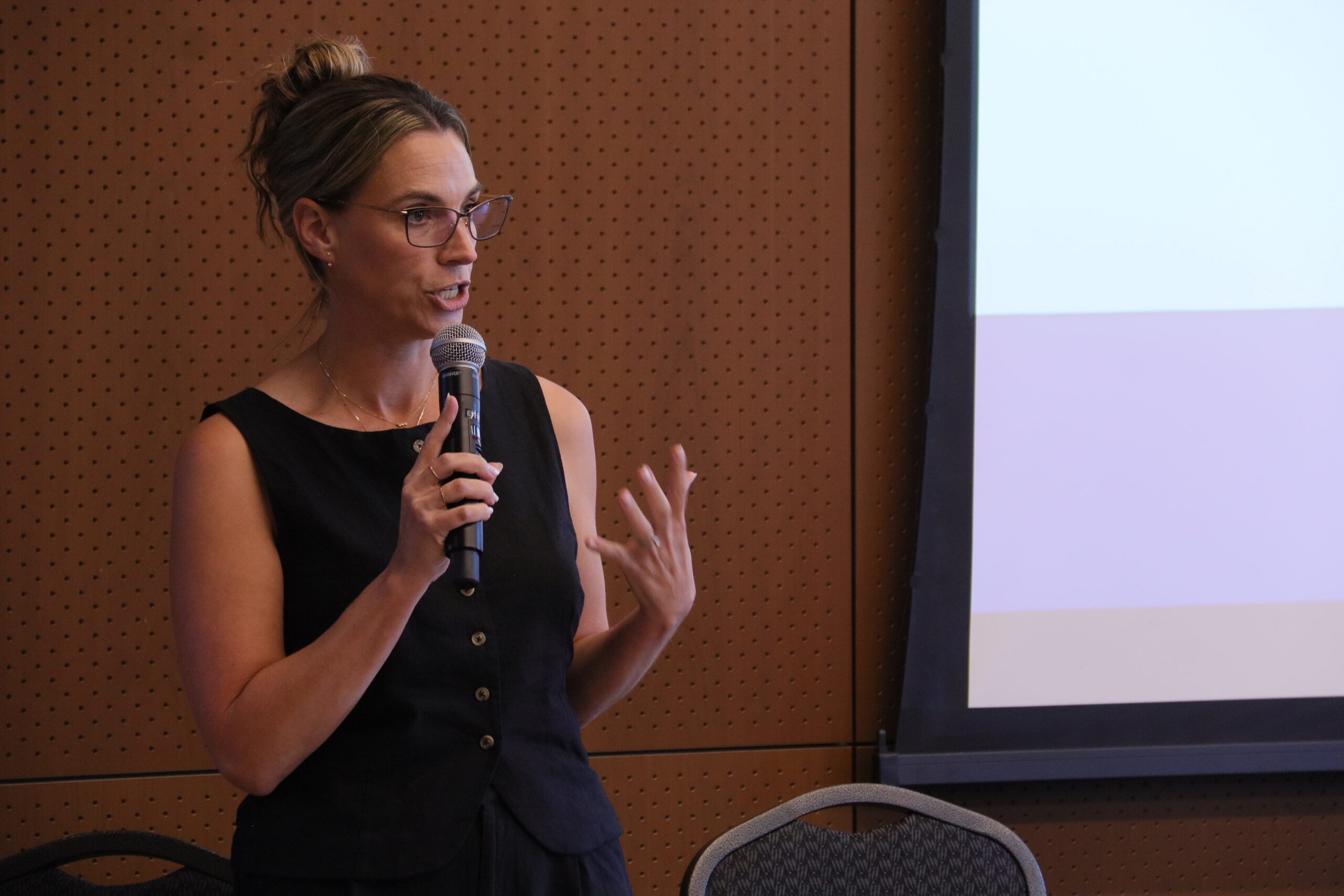
Hetrick of the Puget Sound Clean Air Agency pointed to projects such as the regional electric vehicle charging infrastructure plan and King County’s Energize program as examples of how collaboration between regions and cities can expand climate efforts. The Energize program is a regional effort led by King County to support weatherproofing buildings and heat pump projects.
“Together we really can scale and accelerate climate efforts in a way that [is] just more effective than if each community acted alone,” she said.
Hetrick said the clean air agency developed its Comprehensive Climate Action Plan through a federal Climate Pollution Reduction Grant awarded in 2023. The plan builds on the Priority Climate Action Plan, which helped unlock larger funding, including a $50 million grant from the Energize program.
The roundtable
Panelists representing different organizations in Snohomish County highlighted projects they are doing to mitigate climate change.
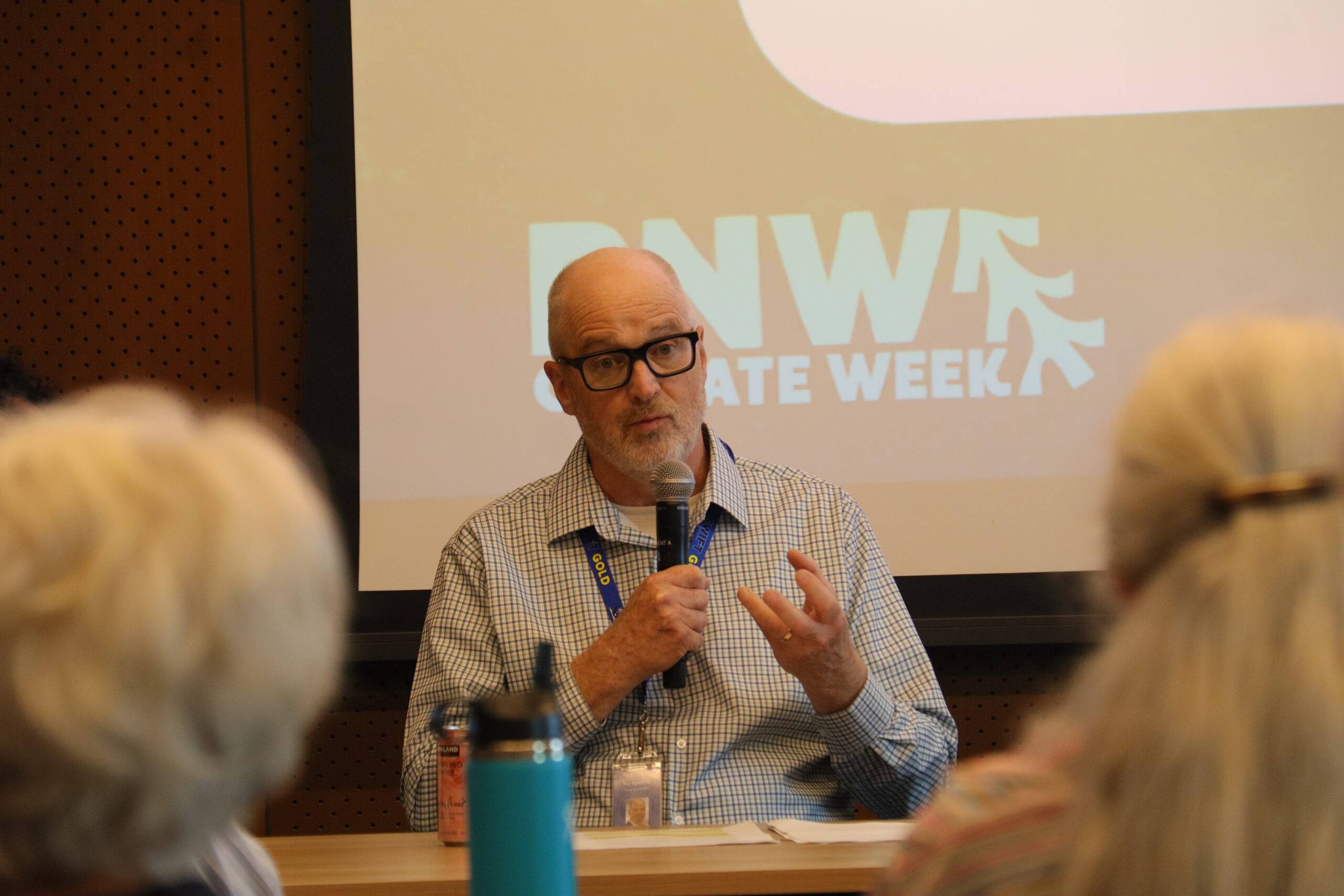
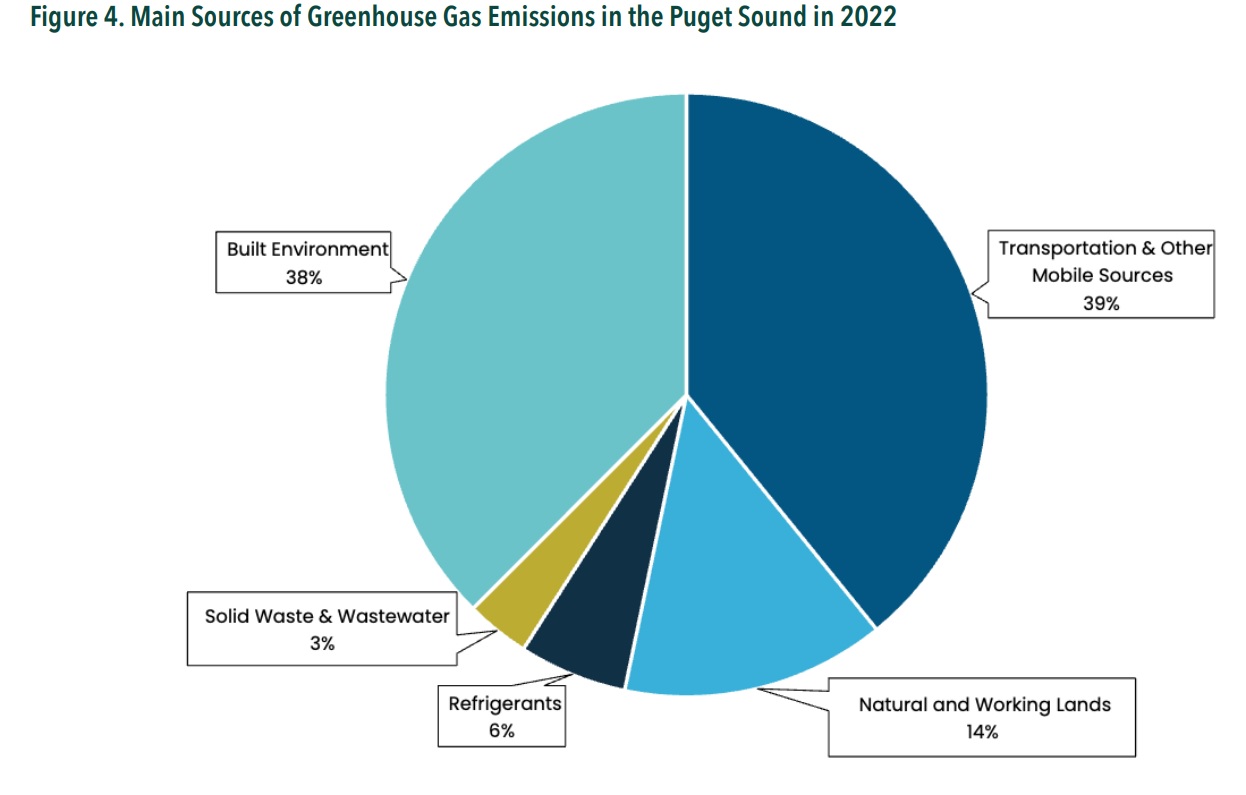
Community Transit Chief Executive Officer Ric Ilgenfritz said transportation contributes to about 40% of greenhouse-gas emissions in 2022, based on the Climate Action Plan. He highlighted how new Sound Transit light rail lines let Community Transit pull about 30% of its service back from King County and reinvest itin Snohomish County. This boosted the Rapid Transit line and weekend ridership to above 2019 levels, he said.
Ilgenfritz noted that each bus trip results in about 1.5 to 2 kilograms of carbon reduction. “That’s about 20 to 20,000 to 25,000 tons a year, maybe 5,000 cars avoided on the road on a yearly basis,” he said.
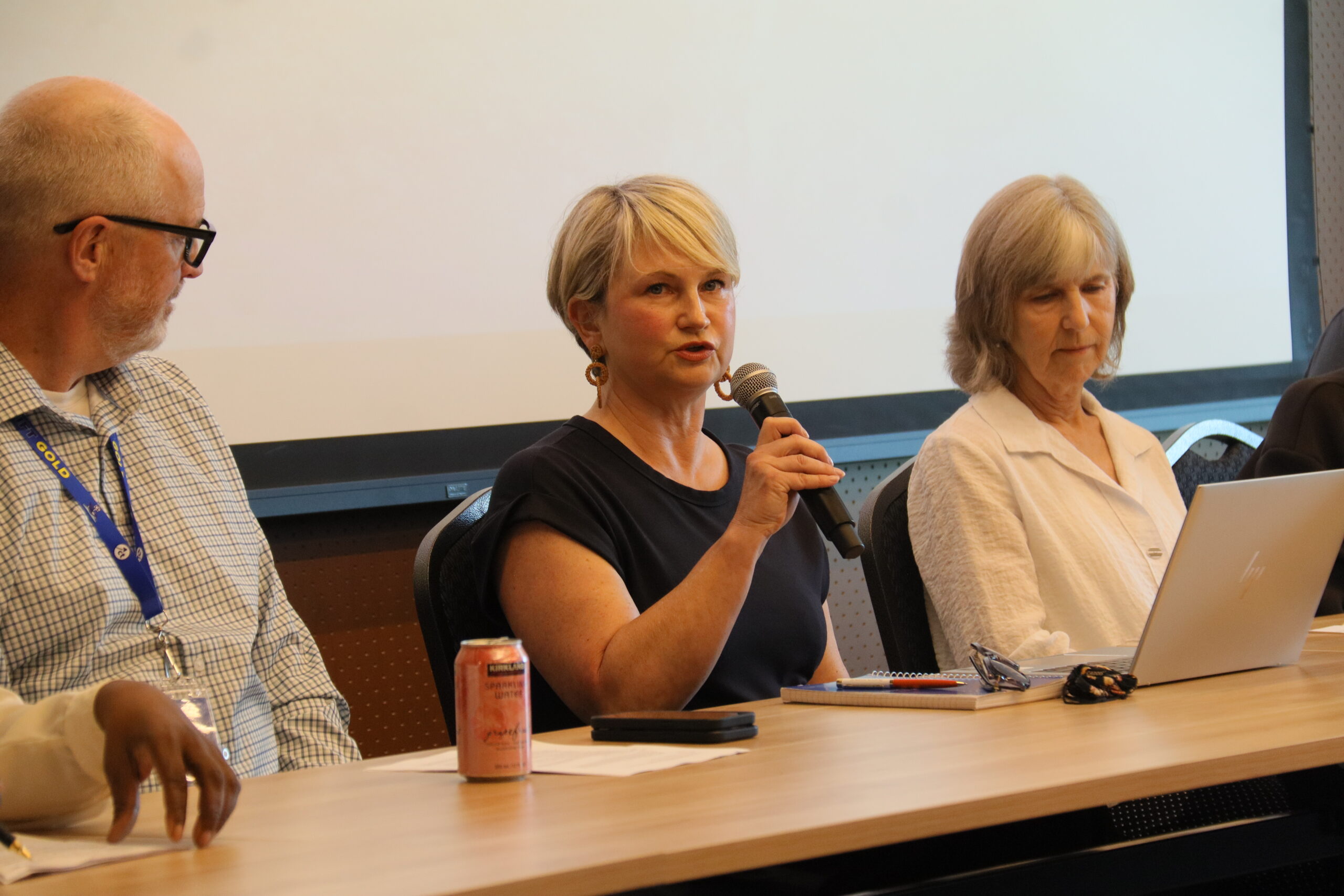
Snohomish County PUD representative Brenda White talked about PUD’s collaborations with the Tulalip Tribes on a microgrid project and with Community Transit on bus electrification. “We can’t meet our climate goals single-handedly or alone,” she said. “It means we do this together.”
She said the PUD plays a critical role in the region’s transition to electrification by providing electricity for homes, businesses and transportation while planning the infrastructure needed to support future growth. White encouraged local governments to work with utilities early in the planning process.
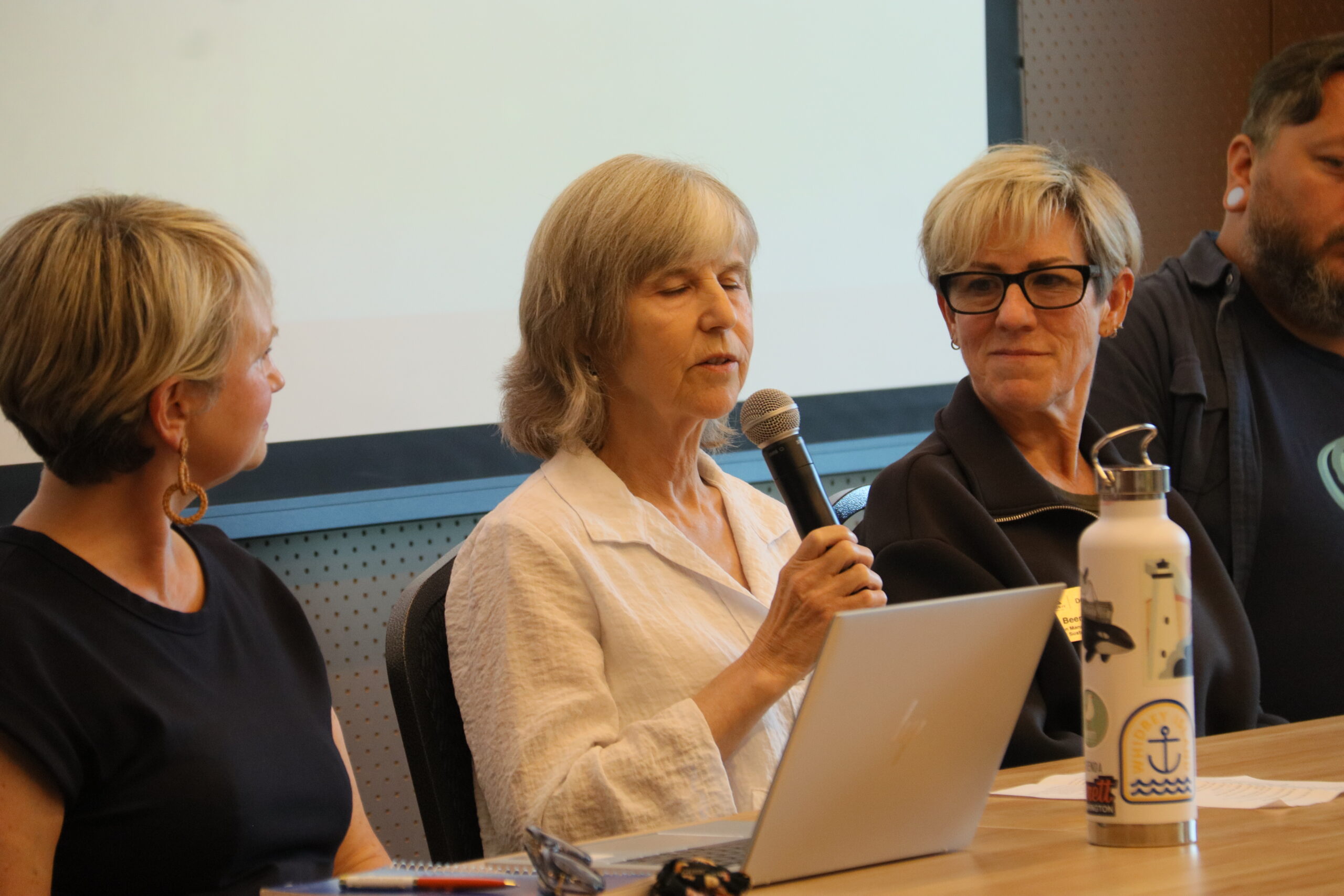
White also emphasized that Snohomish County PUD provides about 90% carbon-free electricity, giving the region a strong foundation for reducing emissions. “When residents or businesses choose to electrify, they’re not just using electricity,” she said. “They’re often making a meaningful reduction in their own carbon footprint.”
Snohomish Conservation District Executive Director Linda Lyshall highlighted Snohomish County’s Wildfire Resilience and Protection Plan as a model for regional cooperation, noting that about 50 organizations helped develop the strategy. She said the Conservation District focuses on improving forest health and reducing wildfire risk by helping landowners better manage forests.
“The healthier they’re [forests] going to be, the more they’re going to be able to withstand wildfire,” she said.
Lyshall said collaboration has also strengthened the agriculture industry through Snohomish County’s Sustainable Lands Strategy and Agriculture Resilience Plan. Developed with farmers, the Farm Bureau and other partners, the effort helps communities respond to more frequent flooding and shorter growing seasons while identifying ways to reduce future flood risks.
Lyshall also highlighted the Conservation District’s urban tree program, a partnership with the cities of Everett and Marysville, the Tulalip Tribes and other organizations, to expand tree canopy in underserved neighborhoods.
“We’re planting trees, and we’re creating shaded areas and trees that will help with air quality and wildlife habitat, and just provide a really nice area for people to live in and neighborhoods for people to walk in that are green rather than concrete,” she said.
As a panelist, Beeman highlighted a funded surface water management design project at the Snohomish County Fair Park that aims to keep salmon fry out of storm drains. It could eventually create an open-air salmon run through the fairgrounds if additional construction funding is approved.
She also said the County received a riparian systems grant to expand tree canopy mapping using LiDAR technology and has launched agreements with 11 cities to support similar work.
Beeman called the collaboration with 11 municipalities “unprecedented” and credited both county staff and regional partnerships for the success.
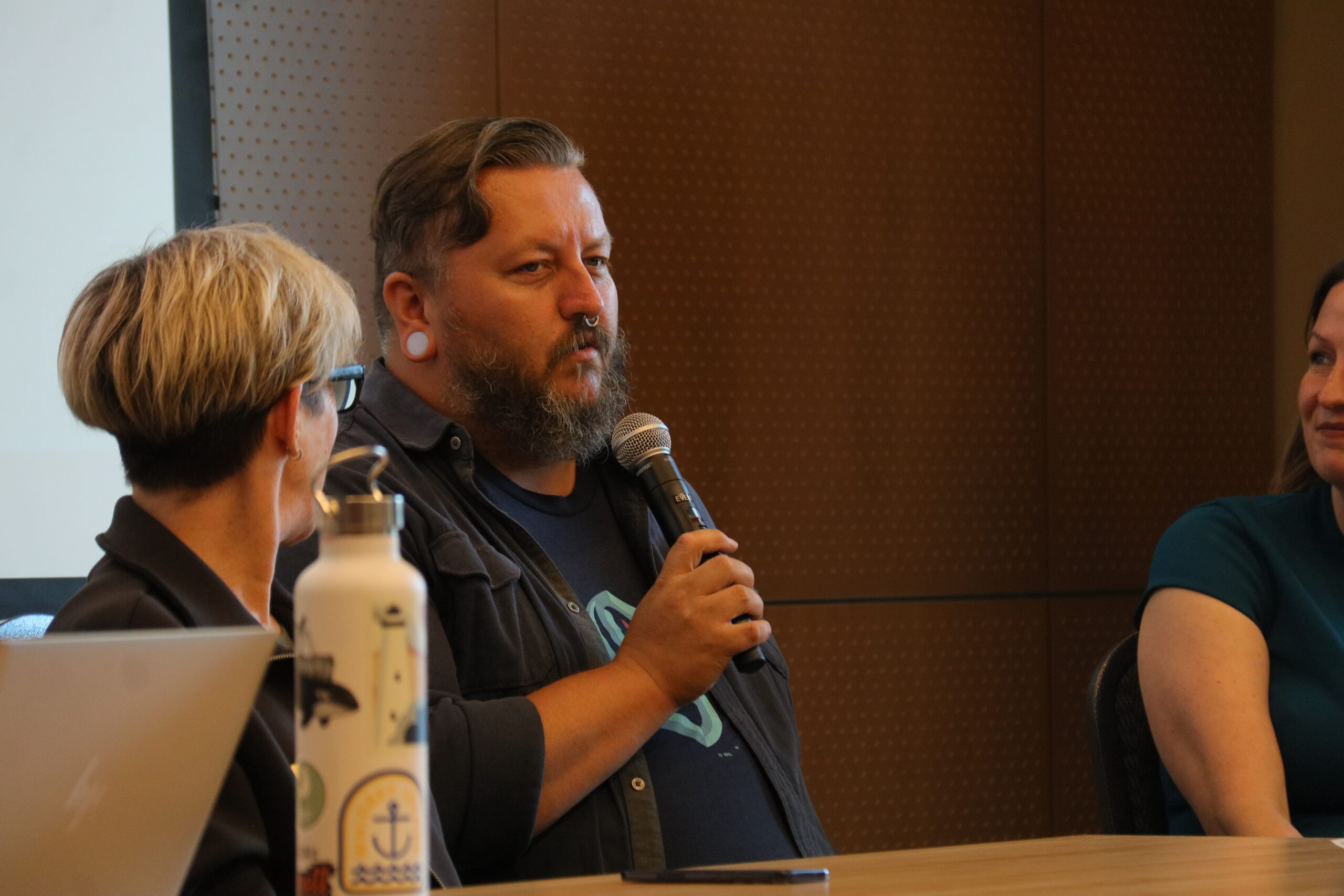
Tulalip Tribes Director of Treaty Rights and Government Affairs Andrew Gobin said climate change directly threatens treaty‑reserved rights because those rights depend on resources remaining in “the usual and accustomed places and open and unclaimed land.”
He described how climate planning has permeated all tribal programs, including replacing diesel engine parts, home electrification, restoring water retention on the landscape and new solar-powered microgrids
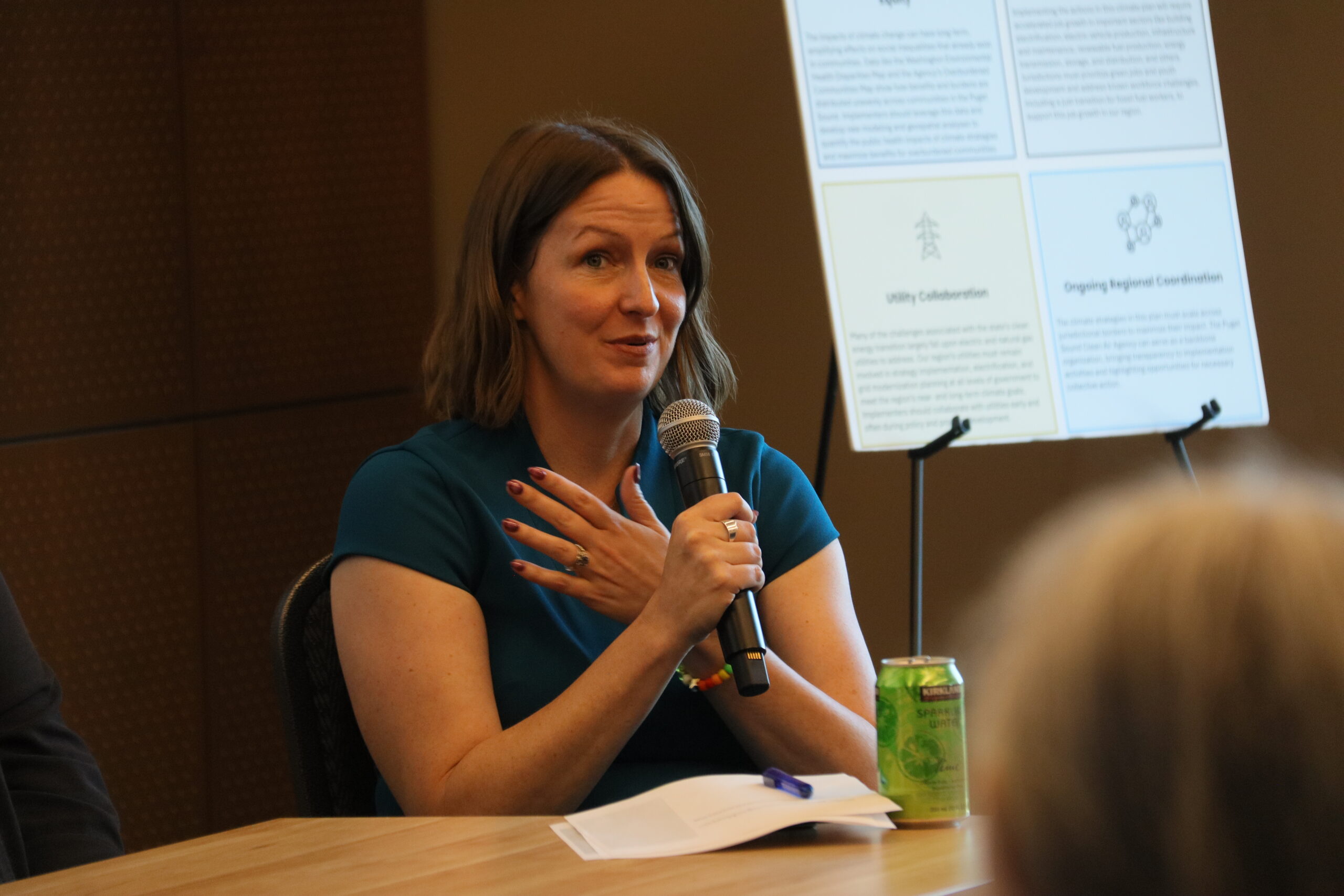
Puget Sound Clean Air Agency Executive Director Christine Cooley pointed to two early wins from the Comprehensive Climate Action Plan: a four‑county EV charging infrastructure plan that maps out chargers in a “census tract by census tract,” and the Energize program.
For Snohomish County alone, she said Energize will help electrify and weatherproof 27 childcare facilities and adult family homes, 90 multifamily buildings, seven community buildings and two government buildings.
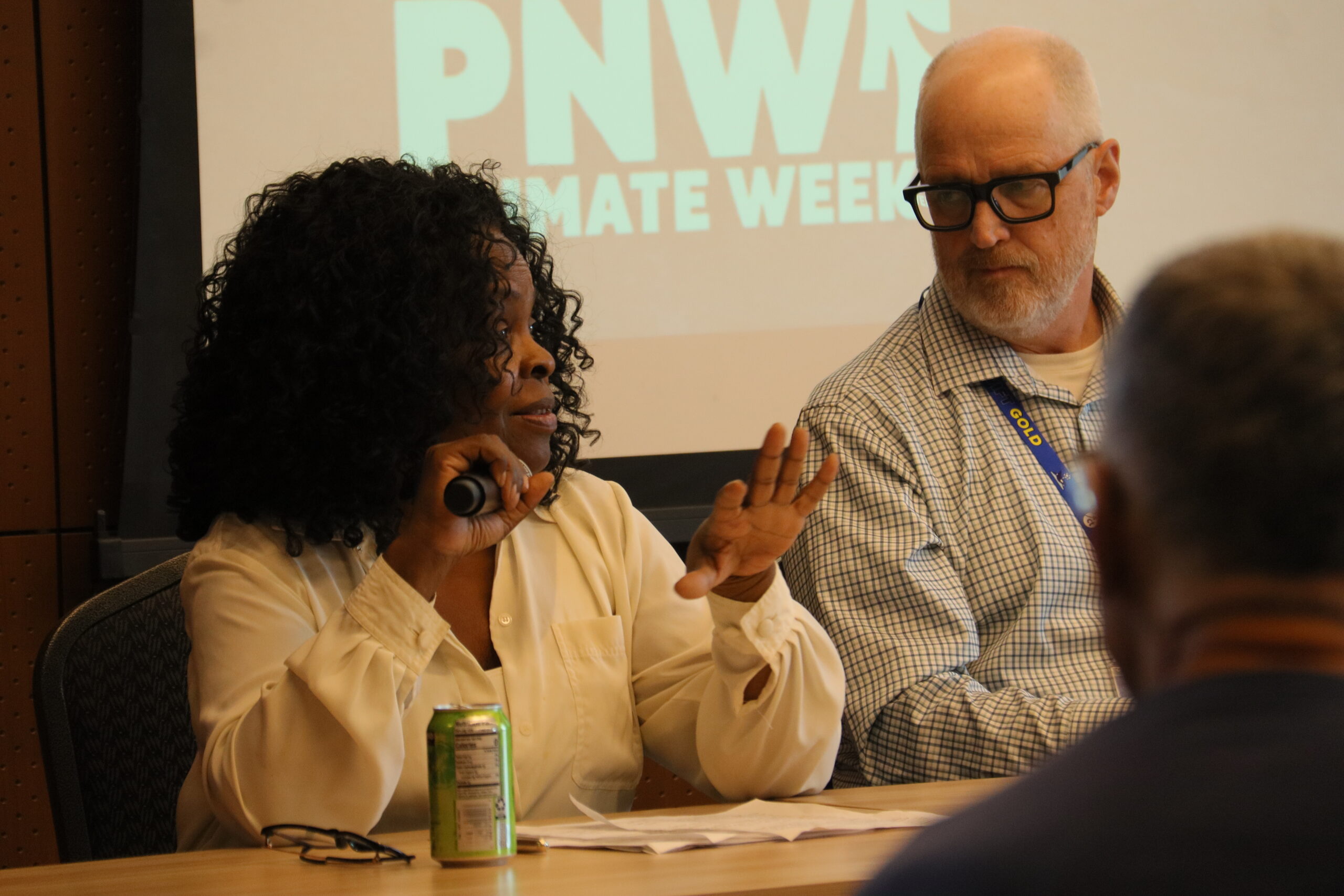
Despite all the planning and funding, Future Workforce Alliance Chair Janice Greene said none of the climate plans can succeed without a skilled workforce that can handle building retrofits, electrification upgrades, grid expansion and construction trades. Citing state projections that electricity demand will rise 88% by 2050 and create about 38,000 jobs, she pushed to ensure those jobs go to local residents, not imported labor.
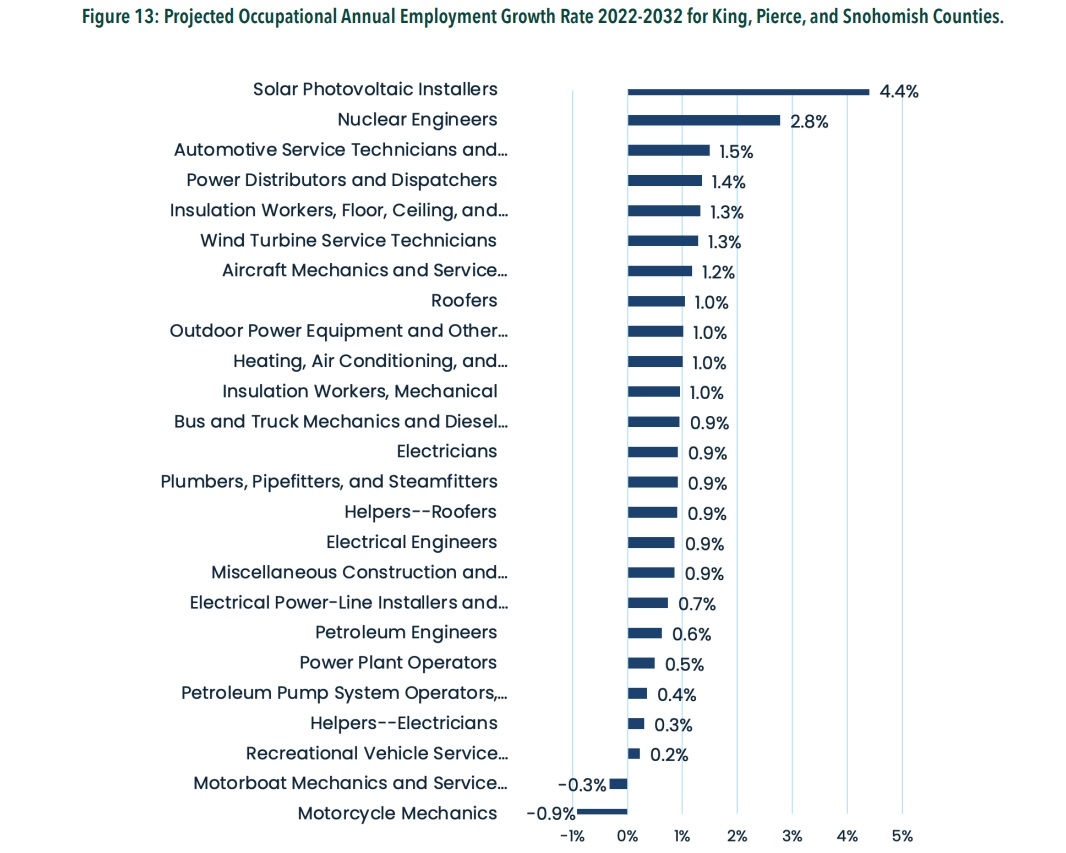
“We have registered apprenticeships in our community and technical colleges. We have pre-apprenticeship programs with labor,” Greene said. “We need to reach out across the board…so the people who bear the most burden should also have access to jobs that this transition creates.”


Real first and last names — as well as city of residence — are required for all commenters.
This is so we can verify your identity before approving your comment.
By commenting here you agree to abide by our Code of Conduct. Please read our code at the bottom of this page before commenting.