
Will you chip in to support our nonprofit newsroom with a donation today?
Yes, I want to support My MLTnews!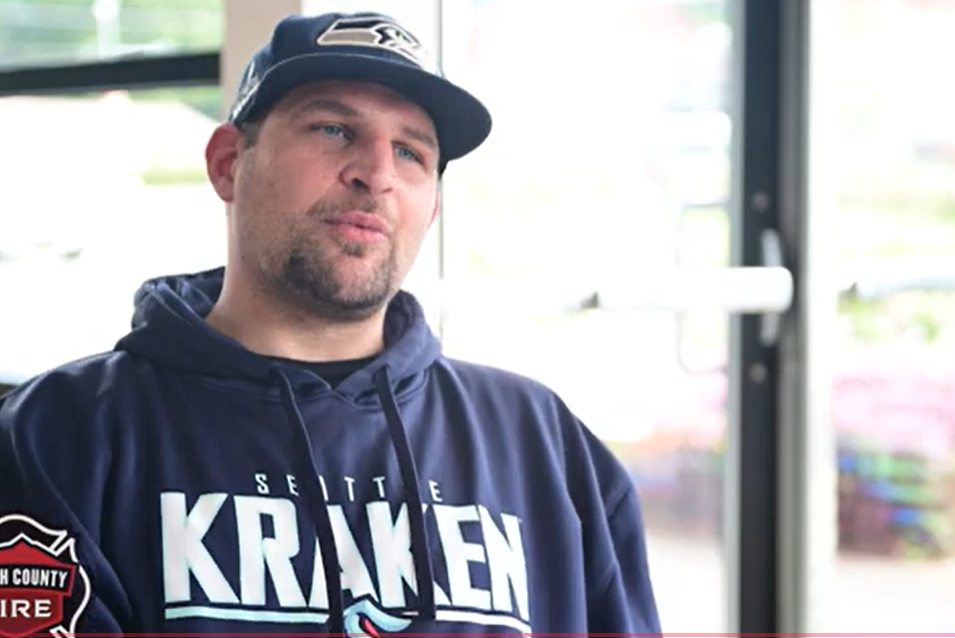
My Neighborhood News Network has partnered with the Verdant Health Commission to profile the work of local nonprofits that advance the health of our whole community.
Zane grew up in Mountlake Terrace with a solid network of family, friends and neighbors. In 2008, at the age of 20, he became addicted to Oxycontin. He later became addicted to heroin and fentanyl, which led to many interactions with local police over the years.
Zane’s father, like many parents in this situation, didn’t know how to help. That changed in 2024, when he heard about South County Fire’s Community Resource Paramedic (CRP) program.
CRP is a 24/7 multidisciplinary crisis response program developed by South County Fire to provide immediate, compassionate and coordinated intervention for people experiencing behavioral health, mental health or substance use disorder crises. It’s designed to divert individuals from avoidable emergency room (ER) visits and the criminal justice system whenever possible, and instead connect them with community-based resources that promote long-term recovery and stability.
Zane’s dad asked if CRP could help his son. South County Fire’s Community Paramedic Garrett Mooney and Community Health Worker Jordan Mohrenne connected with Zane and started to build a trusting relationship and care plan.
“After having multiple friends pass away from opioid overdoses over the last decade, experiencing overdoses within my physical presence, and having an experience of my own, it drove me to seek a better path,” Zane said. “I wasn’t sure on the process of going to detox, how to get a bed date or where I should start.”
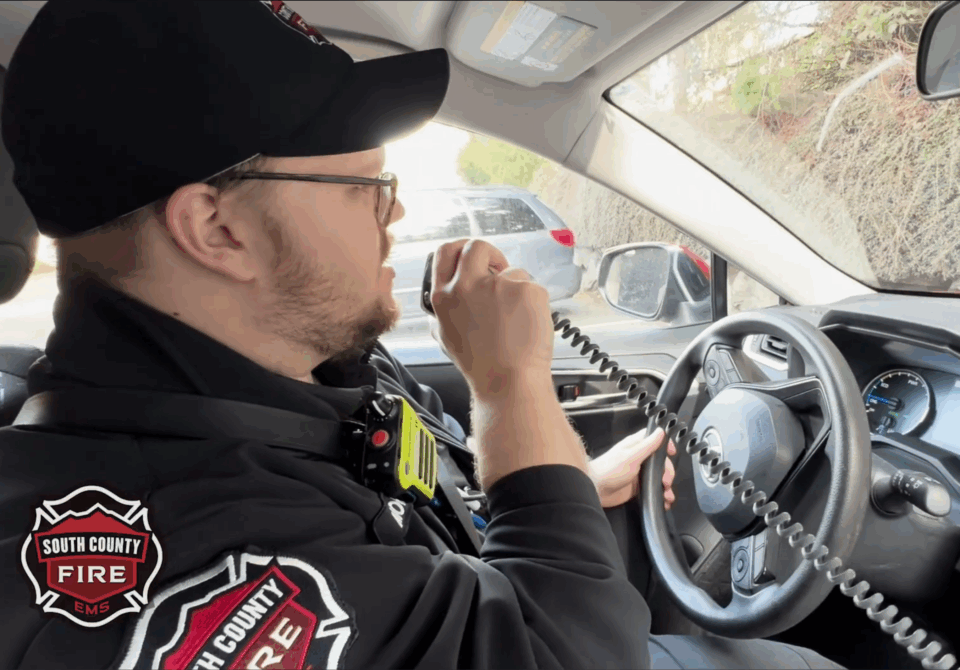
But Jordan knew what to do and quickly got Zane into a detox program. Zane is very grateful for the rapid response: “They got me into detox in a few hours rather than have to wait a few weeks where I may have changed my mind. I would be back on the street using and would not be living the life I have now without their help.”
Zane has been sober for over a year now and is studying business management at Edmonds College. He plans to obtain an associate of arts degree and aspires to be an operational manager in the telecommunications industry. “My father is ecstatic about my recovery, I see him on a weekly basis, spend time with him, have great conversations, watch football with him, have traditional meals, and he feels like he finally has his son back,” Zane said. “We enjoy each other’s company. He is very proud of my journey, encourages me to continue on the path that I’m on, and supports me every step of the way.”
The CRP program benefits individuals and families like Zane’s, but it also creates cost savings and better efficiencies. In 2024, the program reduced calls from CRP clients by 50%, which led to an estimated savings of over $7 million in costs for South County Fire labor, EMS equipment and transportation to the ER. The CRP program has proven to be very effective at putting clients onto the pathway to recovery and reducing avoidable calls and emergency room visits: 75% of residents contacted by the CRP program go into treatment, compared to national studies show that on average only 10 to 20% of people suffering from substance use disorder, without CRP or similar intervention, seek treatment.
CRP was launched with financial support from the Verdant Health Commission in 2013 and is based on similar programs in countries like Australia and Canada. Verdant continues to fund the program to benefit residents of South Snohomish County.
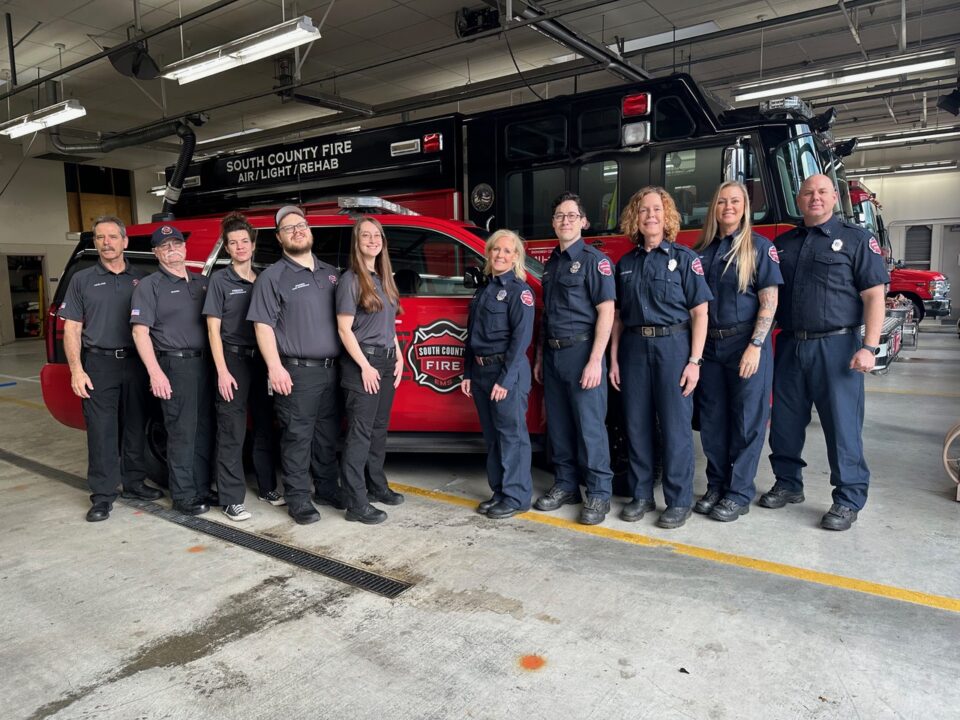
“I believe our Verdant grant and collaboration with fire and police is the right direction,” said South County Fire Medical Services Officer Nicole Picknell. “It supports client coordination between the two systems and a shared client care platform that will allow us to identify and care for clients like Zane much earlier before they hit multiple agencies.”
Today, Zane says, “Without the help from Jordan and the CRP team, I wouldn’t be here today. I wouldn’t be sober. I wouldn’t be enrolled in college, and I wouldn’t be in a position to set myself up for success.”
Zane has advice for others considering recovery: “My suggestion is if you decide you’re ready for detox and treatment you should follow up with a treatment aftercare program and sober living. A majority of people may go to treatment for 28-30 days, but when they are discharged, they are subjected to the same environment: the same using friends, triggers, places and it increases your risk of relapsing,” he said.
“With sober living you are held accountable, you learn to become more responsible, build a routine, slowly get re-acclimated to society, and slowly ease yourself into what life is supposed to be,” Zane added. “With the right resources, support from family/friends and working a 12-step program from various Anonymous groups, you will never be alone in the struggle. A lot of it has to do with your mentality, staying optimistic, positive, grateful for the little things in life, and acceptance of whatever may burden you.”


Real first and last names — as well as city of residence — are required for all commenters.
This is so we can verify your identity before approving your comment.
By commenting here you agree to abide by our Code of Conduct. Please read our code at the bottom of this page before commenting.