
Will you chip in to support our nonprofit newsroom with a donation today?
Yes, I want to support My MLTnews!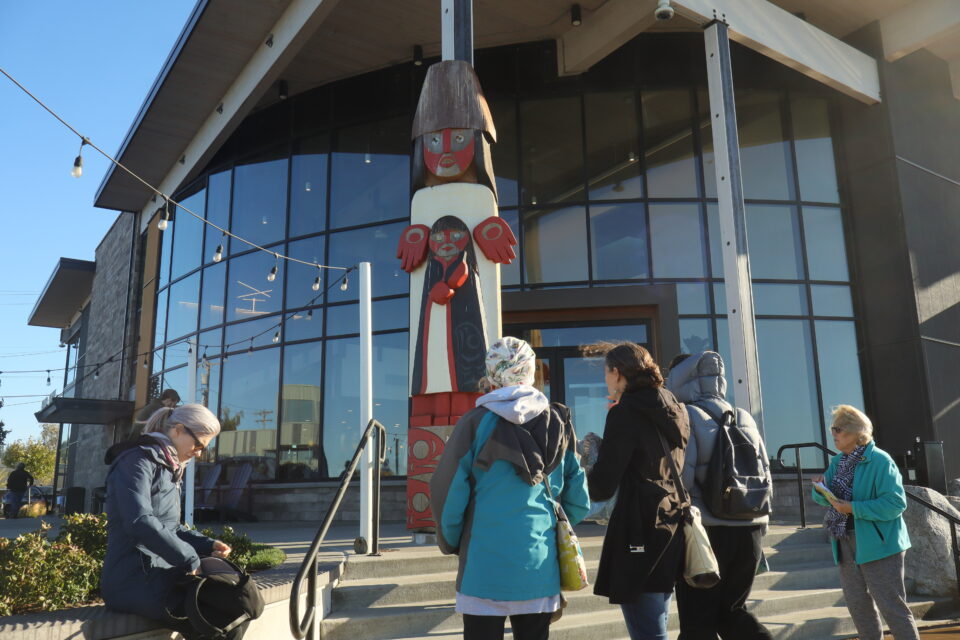
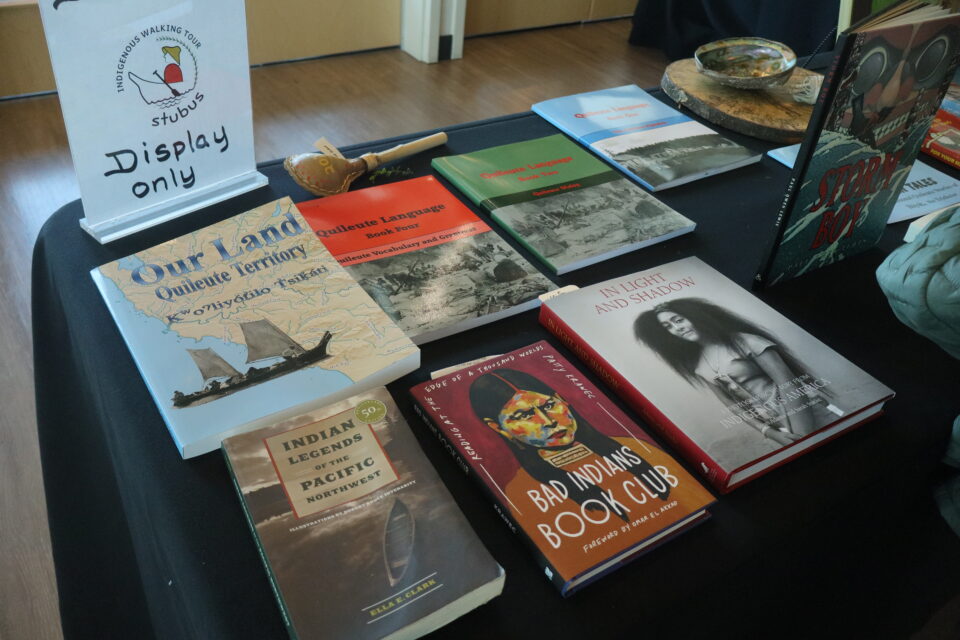
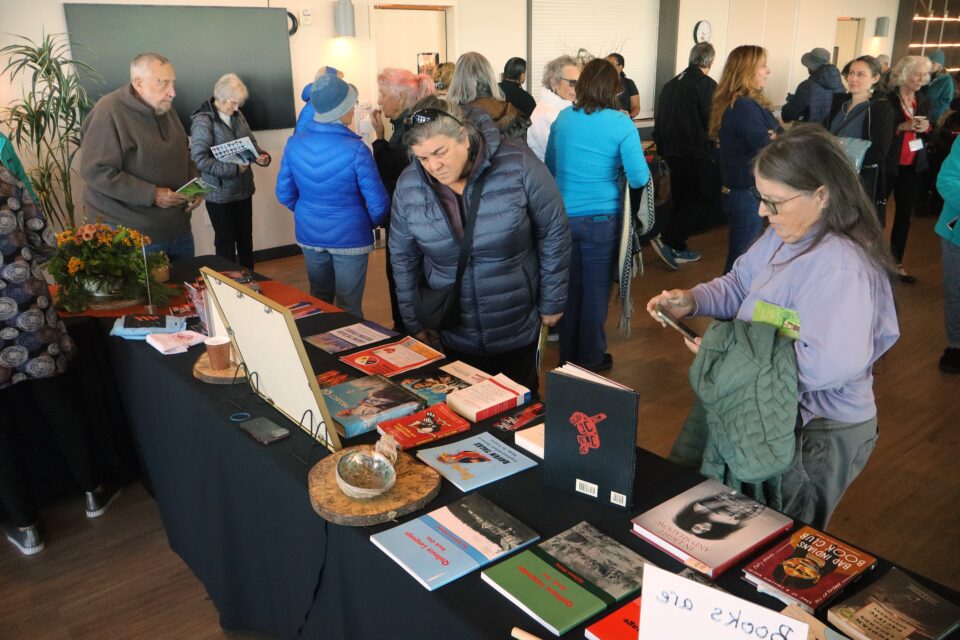
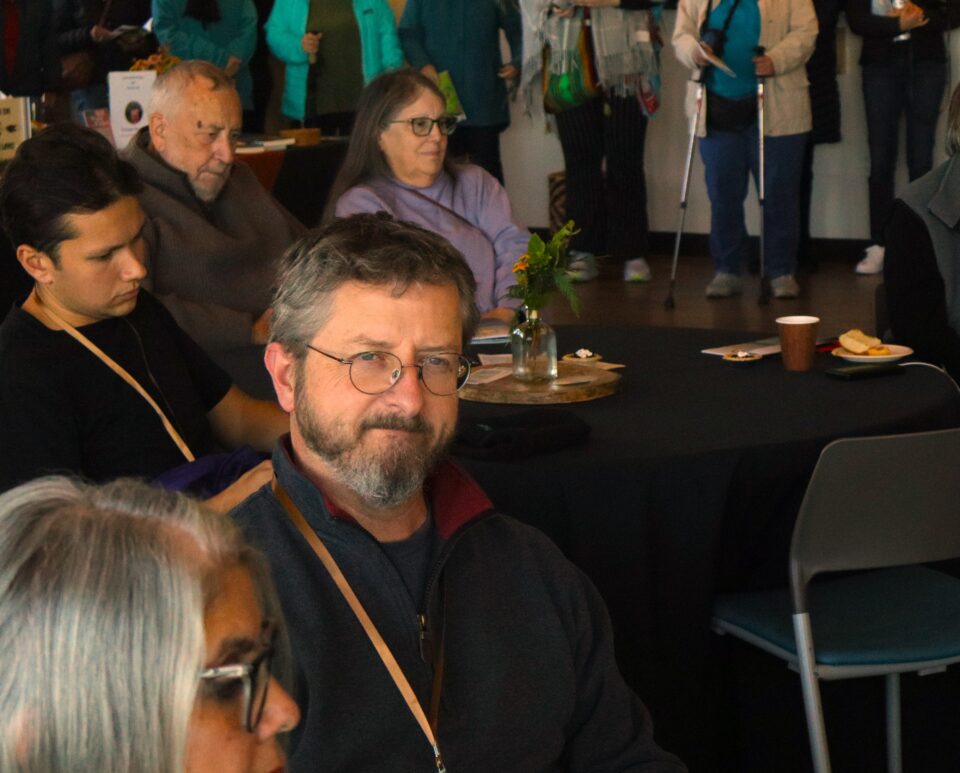
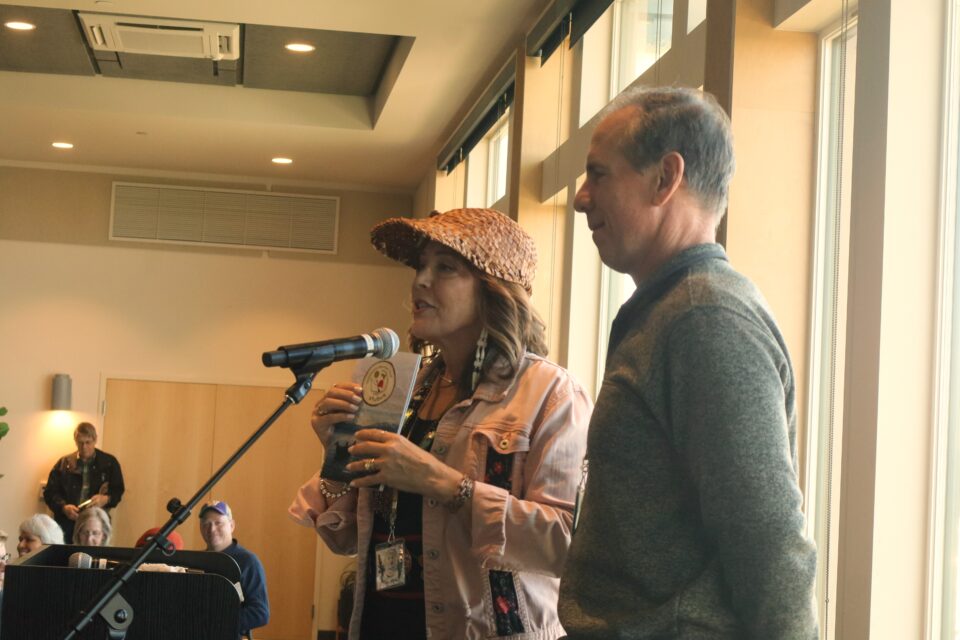
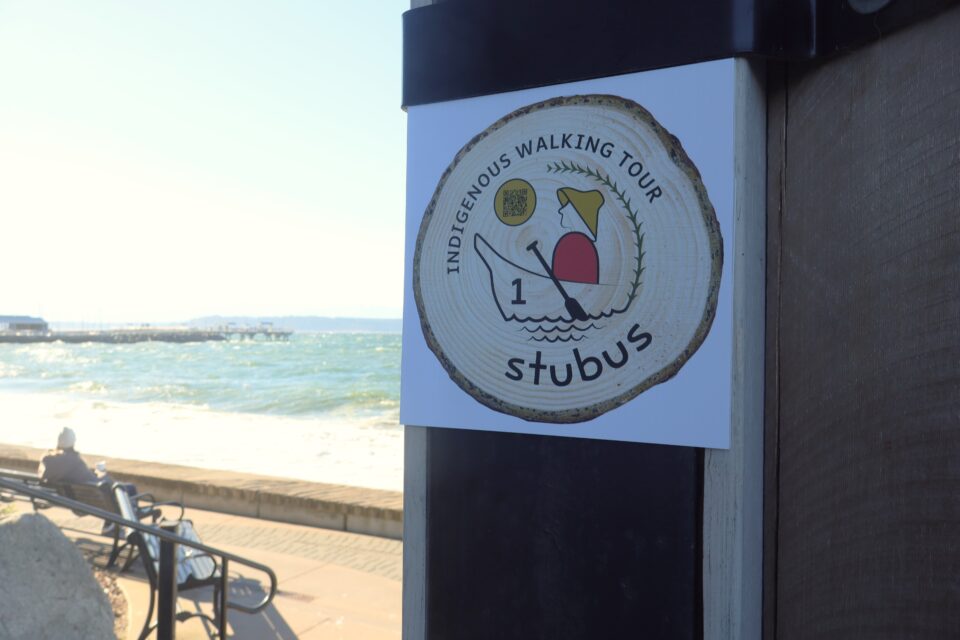
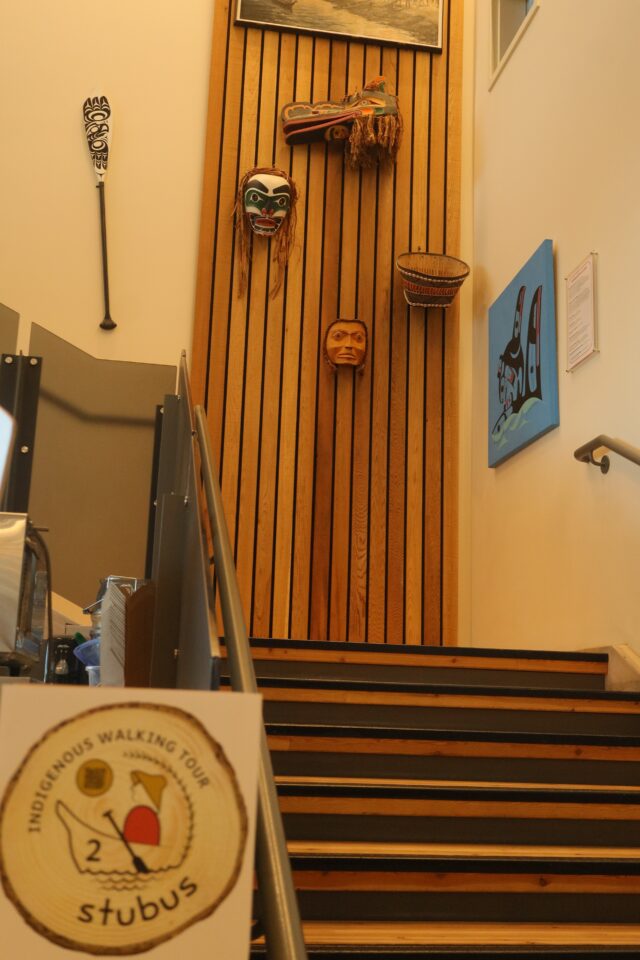
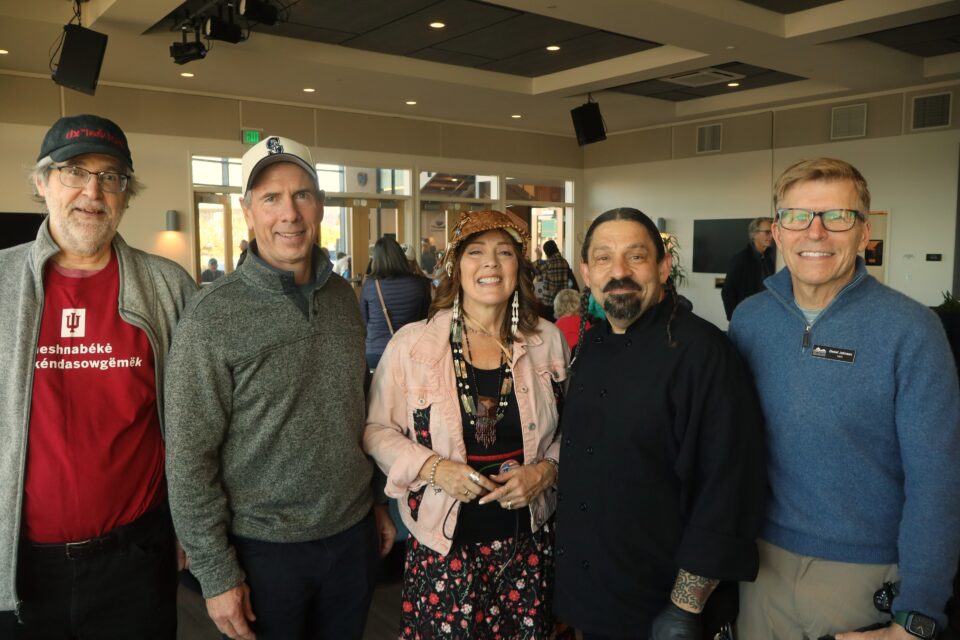
In observation of Indigenous Peoples Day, more than 200 people attended the inaugural “stubus – Indigenous Walking Tour” Monday at the Edmonds Waterfront Center. Several tables displayed local Indigenous art from Coast Salish tribes and books on Indigenous American topics.
The tour highlights 16 sites throughout Edmonds, including murals, art and other topics that dive deep into understanding the lives of the Coast Salish people and the region’s importance to them. The walk is less than two miles and takes about 45 minutes.
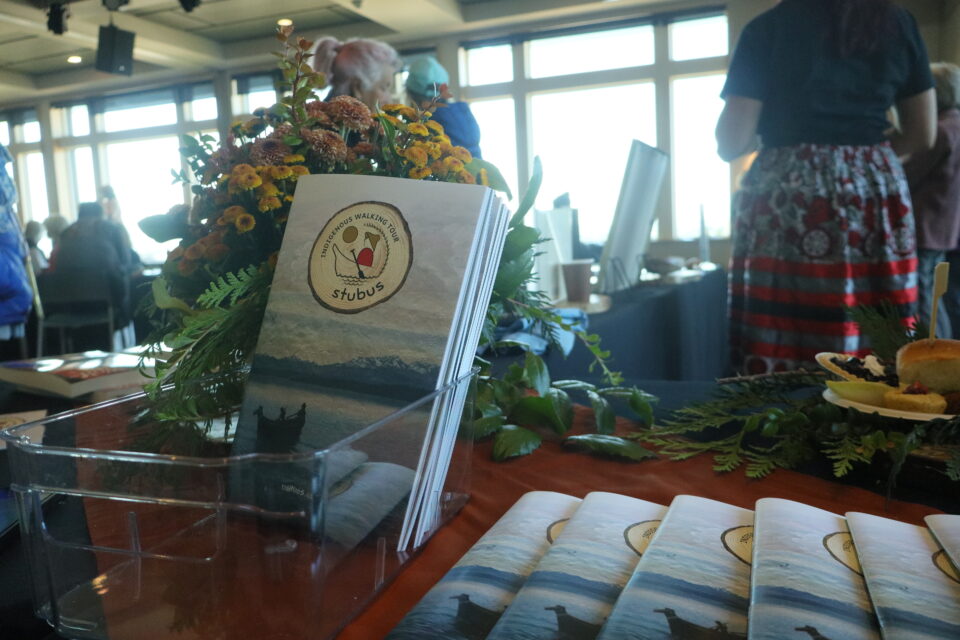
The word “stubus” (pronounced stew-boos) means “blunt face” in Lushootseed, the Indigenous language that is spoken along Puget Sound from Olympia to Skagit Valley. Local Coast Salish people used the word to describe the bluff of Point Edwards, a prominent landmark that guided canoe travelers to the original Edmonds Marsh. The marsh has natural resources, such as cattails and cedars, that were used by Indigenous people for thousands of years.
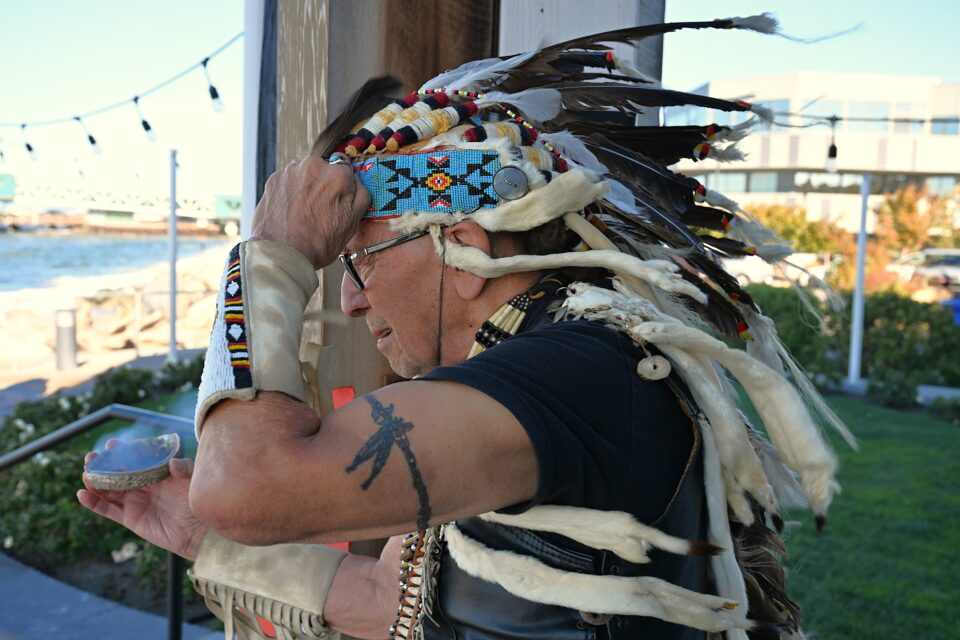
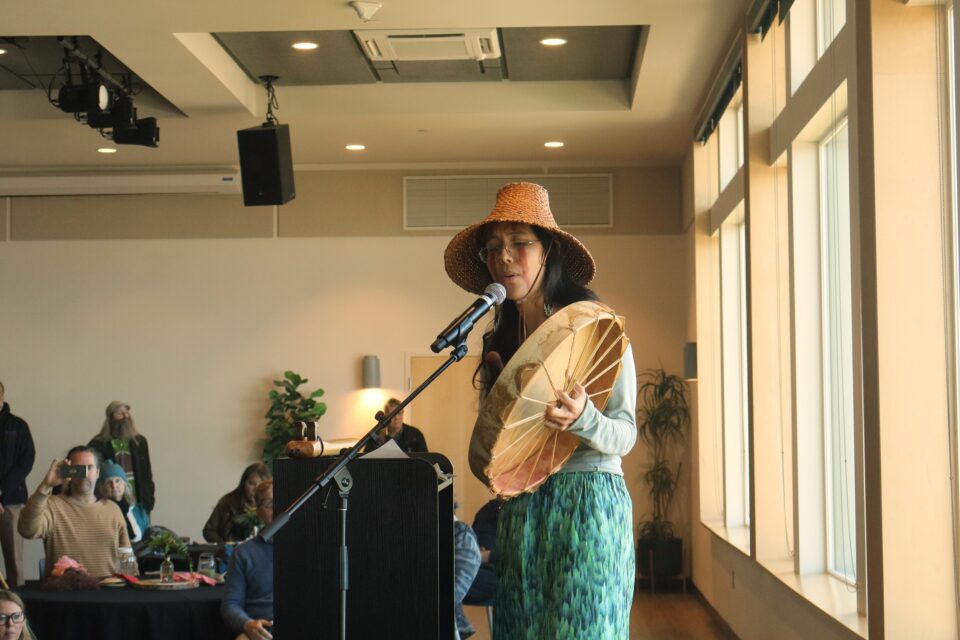
Led by community leader Diana White, the event started with a blessing by Chief William DePoe. “It’s an honor for me to be here to do the cleansing ceremony for everybody…and to be here to walk on the land that our ancestors walked on,” he said.
White said when she first moved to Edmonds 25 years ago, there was a lack of free Indigenous art in public spaces. This inspired her to work with the local community to create more Indigenous art, such as the Kaya’s Gift statue at the waterfront center.
“Even though I was raised here for many years of my life, I’m not Coast Salish, and I’m not trying to represent them,” White said. “We did meet with our Tulalip and our Suquamish tribes, and we asked them a very important question: ‘What is it that you want people to know about your people?’”
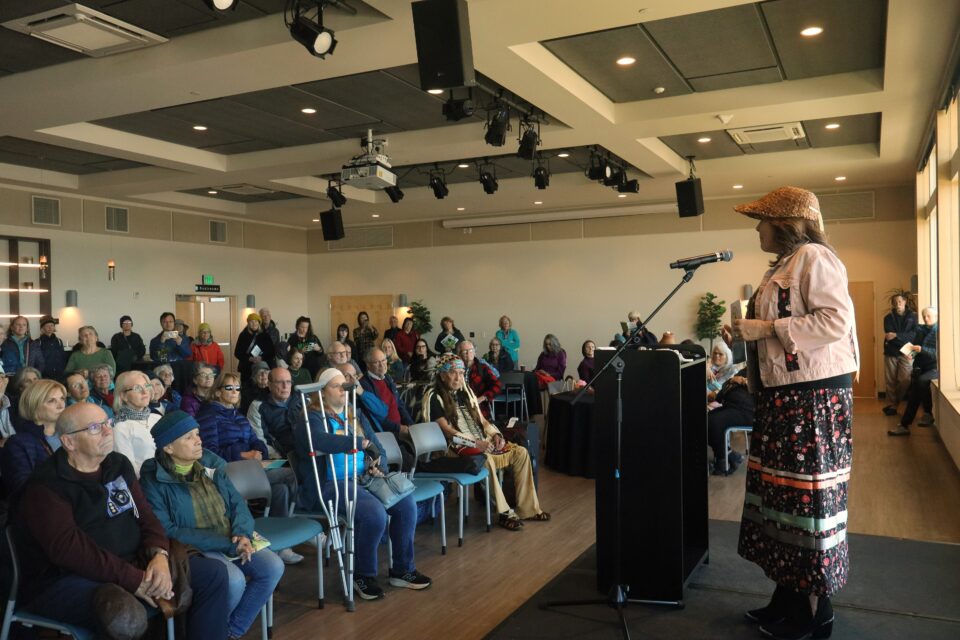
An enrolled member of the Prairie Band of Potawatomi Indians and of Cherokee descent, White presented ideas for the tour to other community leaders last February. She said she drew inspiration two years ago from the University of Washington’s Indigenous Walking Tour, which highlights Indigenous presence on campus through art and traditional medicinal plants.
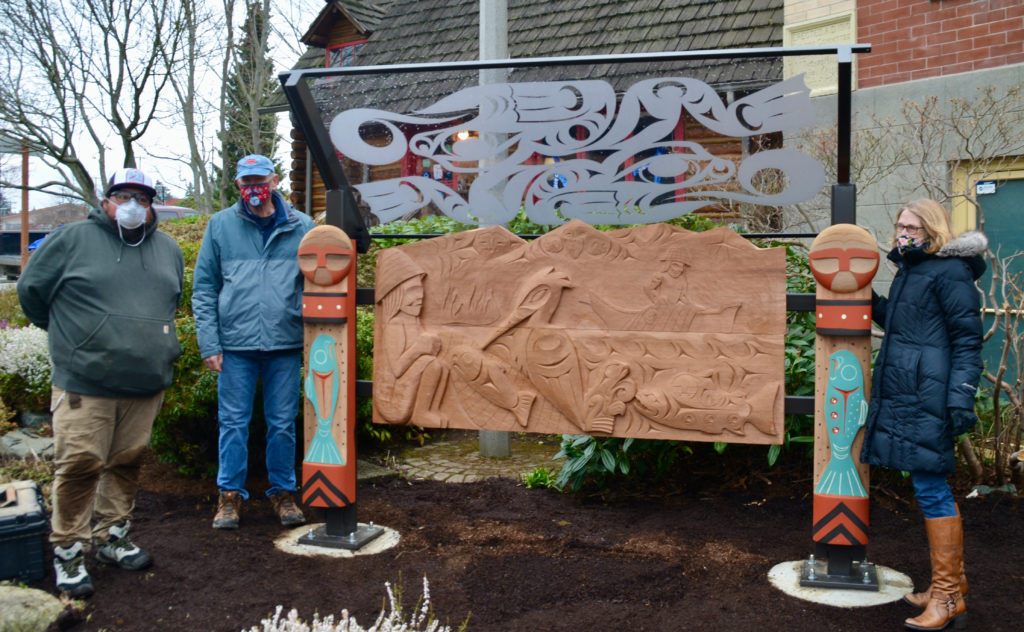
During the COVID-19 pandemic, White noticed more Indigenous artworks were “popping up” in Edmonds. This included Tulalip artist Ty Juvenil, who created a carving outside of the Edmonds Historical Museum.
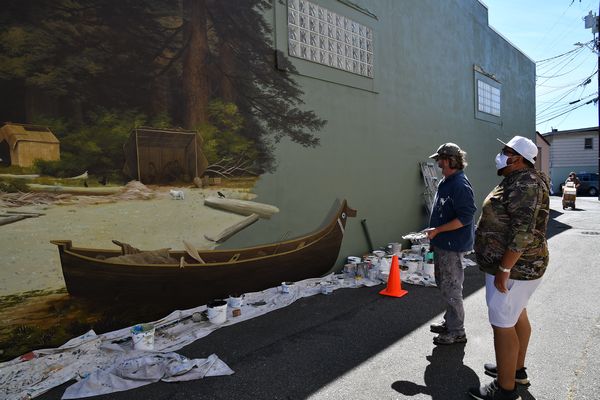
Artist Andy Eccleshall’s mural Before Edmonds and other murals around downtown inspired White to work with Edmonds Waterfront Center CEO Daniel Johnson on the Indigenous Walking Tour.
“People really need to know of the connections that the Native people have with the orca families and the salmon,” she said. “Those are stories that we all need to learn and to hear more about. We should learn who Billy Frank is and what he did to change our world. Everybody needs to know that, especially our young kids, our school groups. It’s not just looking at a piece of art and saying, ‘Oh, this person did it. They use this kind of paint…’ That’s not it. We go deeper.”
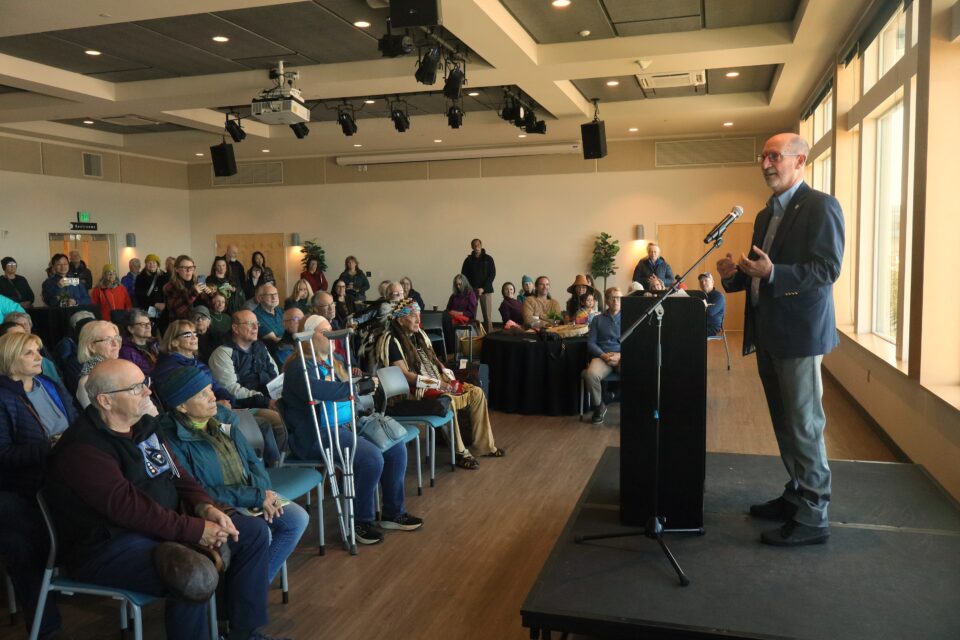
Edmonds Mayor Mike Rosen said that many people think George Brackett was the first person in Edmonds. Brackett landed on what is now Brackett’s Landing to find refuge from a storm.
“For thousands of years, Indigenous people were here hunting and fishing and taking care of this place, and now we’re just borrowing this place,” Rosen said. “And I am so grateful to Diana White for making this happen and bringing this to life and making sure that we can celebrate the culture and the history and the ongoing contributions of the Native Americans who we share this place with.”
Because of the huge turnout, there was no single tour group. Instead, attendees were told that they could join smaller groups for a self-guided tour – starting at Kaya’s Gift and heading either north toward the Japanese Friendship Pole or south to the Edmonds Marsh.
White said that more stops will be added in the near future. “We ask that people have an outside attraction visible at all times, then an inside tour stop is allowed,” she said.
If you want to support “stubus – Indigenous Walking Tour,” donations can be made at the Edmonds Waterfront Center’s website.
For information about the tour, visit the website or contact Diana White at diana.white1@comcast.net.


Real first and last names — as well as city of residence — are required for all commenters.
This is so we can verify your identity before approving your comment.
By commenting here you agree to abide by our Code of Conduct. Please read our code at the bottom of this page before commenting.