
Will you chip in to support our nonprofit newsroom with a donation today?
Yes, I want to support My MLTnews!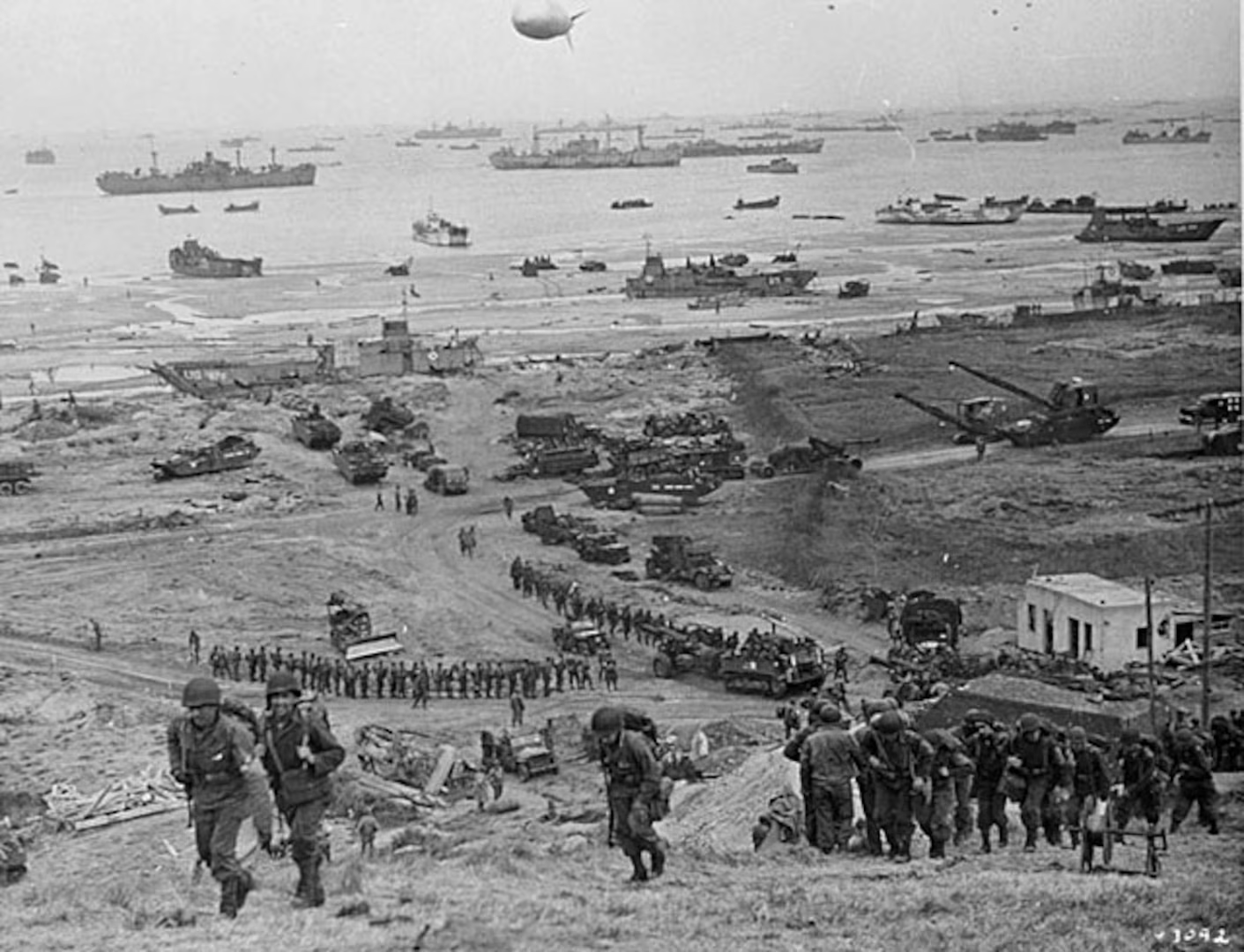
Saturday, June 6, 2026, is the 82nd anniversary of WWII’s infamous D-Day. On June 6, 1944 Allied forces launched the largest amphibious invasion in history, targeting a 50-mile stretch of Nazi-occupied Normandy, France. This massive operation opened the long-awaited “second front” against Nazi Germany, with over 156,000 U.S., British and Canadian troops landing by air and sea which led to the liberation of Western Europe.
Much has been written about WWII, often focusing on military campaigns across Africa, Europe, the Asia Pacific and the millions of people who died during the war.
Conversely, there are just a handful of written personal accounts from those surviving the Nazi Germans’ atrocities. There are even fewer people alive today who can from firsthand experience recount what it was like to live through the German occupation.
The following account is from a one-and-a half-hour interview with 91-year-old Barbara Tillman and parts of a 1996, 16-page question-and-answer article that chronicled her childhood experiences, her advanced educational degrees and her 40-year career as a clinical social worker in the U.S., where her work often focused on helping abused children.
Early childhood:
Barbara was born on Feb. 26, 1935, in the coastal city of Gdynia, Poland. Her parents — Gwidon Tadeucsz Sokolowski and Zofia Kiwilewicz Dansky Sokolowska — were well-educated, both holding degrees in civil engineering. Her father had been responsible for building bridges and roads before the war. Her mother had founded a company that serviced merchant ships before they married. It wasn’t unusual in Europe at that time for upper class women to be very well-educated.
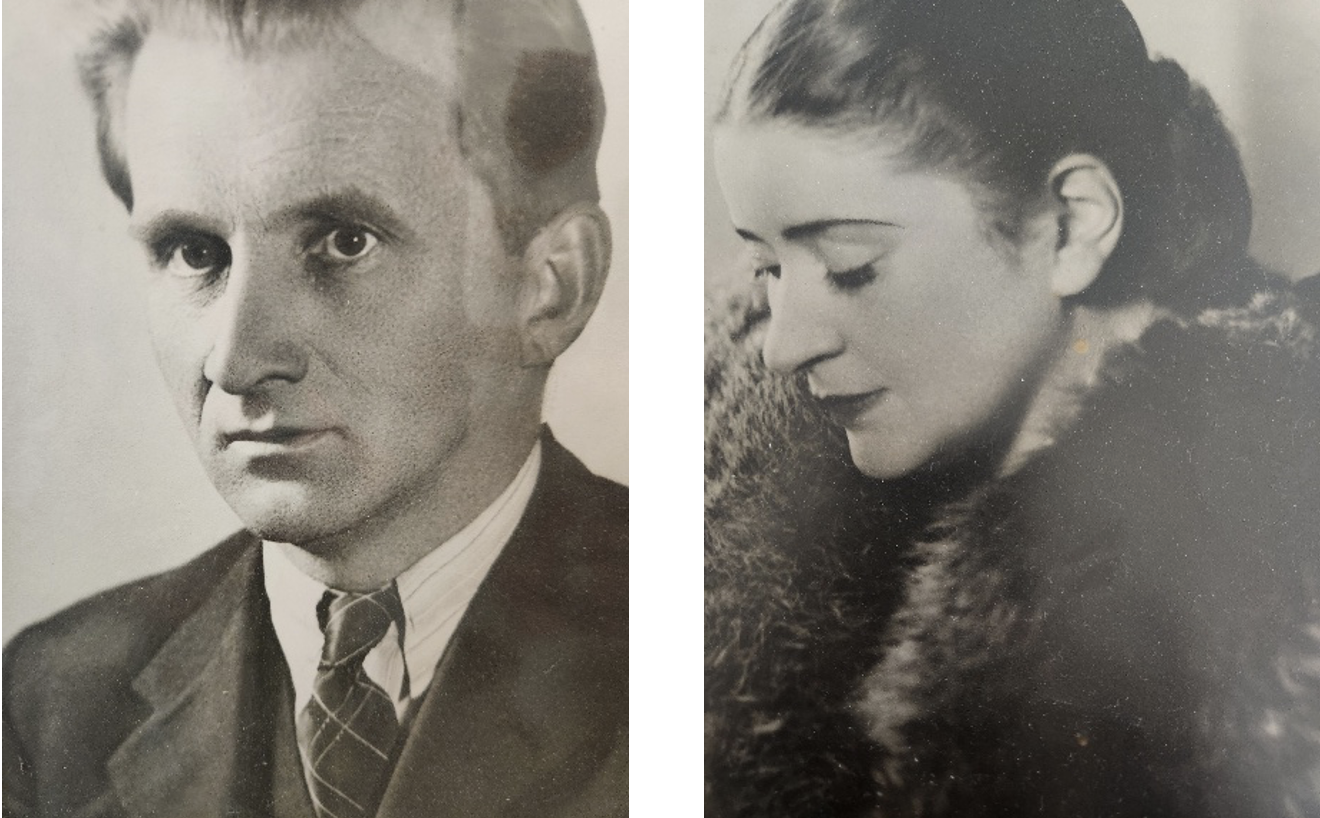
Zofia was a very attractive woman who had been born Jewish but had converted to Catholicism before she married Gwidon, who had come from a Catholic family. She was fluent in German, having been educated in Berlin before the war, and had worked for the Red Cross where she had garnered medical knowledge.
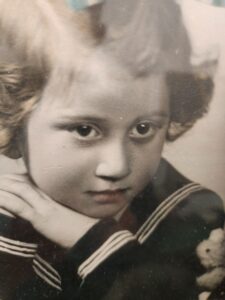
When her father realized that the Nazis were going to invade Poland through the Port City of Gdansk, 30 miles to the south of their home, he sent Barbara and her mother inland to the city of Lublin. Barbara was 4 1/2 years old at the time.
Life in Lublin and the emergence of the Majdanek Concentration Camp
Barbara recalled that as a young child she did not realize everything that was going on. Her mother was not recognized as being Jewish, but the Jewish community seemed to realize that she would help them.
Her mother became an integral part of the resistance, housing/hiding and transporting both children and adults out to safe homes in the countryside.
As time went by, the Nazi SS were rounding up Jewish people, gypsies and even some young people of different nationalities if they thought they might be dangerous to their cause. They transported thousands of them to large buildings where they were to be sorted — some for labor, some to be transported to other locations and some to be killed.
Barbara’s mother, speaking proper German, would dress up as a nurse and tell the guards that certain people were sick or diseased and would die on their own, so there was no need to worry about them. She was then able to get them safely out and help them escape.
Barbara also recounted that as a small girl she remembered forced laborers building large structures about a half-mile from their house. She watched the construction from her bedroom window. The facility turned out to be the Majdanek Concentration camps. While she was still a small child, she remembered the smell of bones being burned after the Germans had killed Russian prisoners of war, Jews and other perceived enemies, although she didn’t know the source of the smell.
One additional memory from Barbara during that time involved an SS Officer by the name of Bok, who was responsible for creating the list of people to be rounded up the next day and be processed through the Nazi system. Bok provided the list to Barbara’s mother a day ahead so she could warn them or hide them. There were several times that Barbara’s mother’s name was on the list, so she would pick up and leave. The Germans were not aware of who was who, so the early warnings saved hundreds of lives.
According to Barbara, there was so much chaos that the Germans didn’t know what they were doing. The town was designed for 15,000 people, and they were trying to process a million and a half people through it.
Barbara explained that there wasn’t anything her mother wouldn’t do to help. Part of the daily strain was the fact that if the Germans ever caught up with her, not only her husband and child but her entire family would be wiped out. There were members of her husband’s family who resented what she was doing, as her husband was their eldest son.
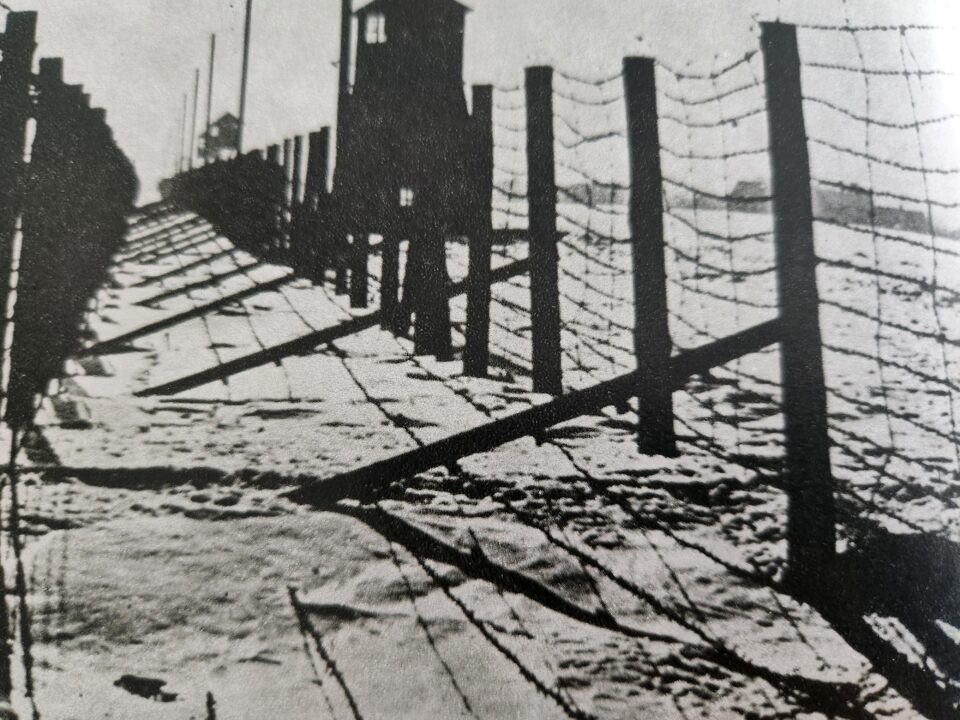
Despite the atrocies at Majandek and throughout the end of the war, Barbara’s mother continued her resistance work, taking covert trips into Berlin and back. At age 9, Barbara didn’t understand everything that was going on, but she felt the tension as it was survival day to day, hiding people, taking food to people and hoping you had enough food to eat, too.
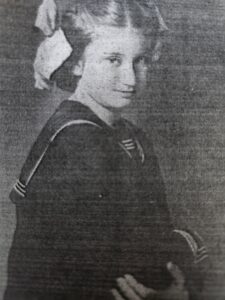
In the end, the family moved safely to Sweden. Her mother received Polish honors for her bravery and received The Medal of Righteousness from the Israeli government for her actions.
A brief Look at the rest of Barbara’s story
When Barbara arrived in Sweden, she had had no formal education as you didn’t dare go to school nor church during the war. That was where the Germans would sweep in and pick up everyone.
She did speak Polish and French since the family had a French governess during the war. In Sweden, it was a melting pot of people from all over Europe who had fled the war. The synagogues were teaching children, and there she learned Hebrew and Swedish.
Her mother wanted to emigrate to the United States where she had two brothers living in New York. She and her mother traveled to Ellis Island but were diverted to Canada for six months due to passport difficulties. Once in the U.S., Barbara’s mother enrolled her in a New Jersey-based orphanage/high school run by Polish nuns. The nuns were at first amazed to discover that their new girl did not speak English but was fluent in five languages, including Polish and had had no formal education.
Three-and-a-half years later, Barbara had finished all of her high school work and spoke fluent English.
From there, Barbara attended college in Kansas and Missouri, earning a master’s degree in clinical social work. Over the next 40 years she worked for both government agencies and private practices, including ones she established herself. She counseled families and worked extensively on child abuse and neglect situations.
When asked what her advice was to abused children given the atrocities she herself had witnessed, she said:
“I tell them that I have a formula: If you try to drink a glass of pure lemon juice, you can’t do it because it’s too sour; but if you put it into a gallon jug, and add a little water and a little sugar to it every day, by the time the jug is full it will be lemonade. The original glass of lemon juice is still there. You can’t get rid of it. You can’t get rid of the trauma, but you make it so that you can live with it.”
“I feel that maybe that what’s happened to me in talking about what I experienced as a child,” she said. “If you talk about it, then eventually you can deal with it.”
In reflection
In listening to Barbara talk both about her mother’s resistance efforts — and the atrocities she witnessed and the trauma she must have felt as a young child — I have to marvel at what she accomplished after facing so many hurdles.
To have received no formal education until the time she was a teenager, having to learn the English language and then earn a master’s degree in clinical social work in eight years is amazing in itself. Then to assist hundreds of abused children in a 40-plus-year career speaks volumes about who she is.
Today at 91, widowed, she lives in Quail Park, in Lynnwood, accompanied by her beloved dog Shasha. Barbara and her husband Charles were married in 1957 and together for 67 years until his passing last summer. They had three sons and a daughter. A son and daughter preceded her husband in death. Barbara also has eight grandchildren and four great-grandchildren loving her.
Barbara, here is to a life well lived.
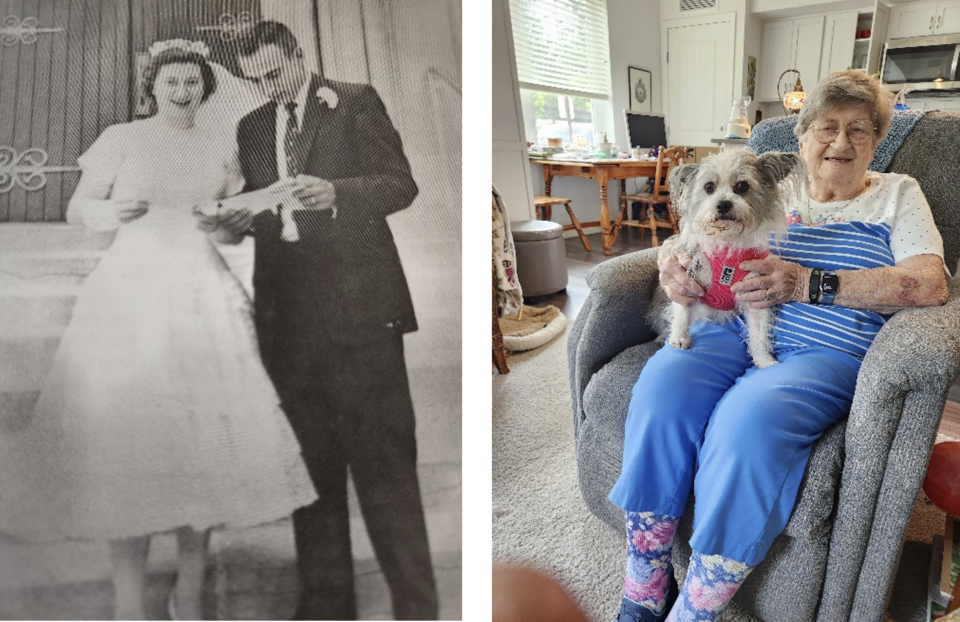
Thanks go to Betsy Henry for alerting us to Barbara and her story and to the National WWII Museum. Photos were provided by Barbara, with the photo of Barbara and Sasha by Byron Wilkes.


What an inspiring and informative biography! Thank you, Byron, for keeping the flame of history alive.