
Will you chip in to support our nonprofit newsroom with a donation today?
Yes, I want to support My MLTnews!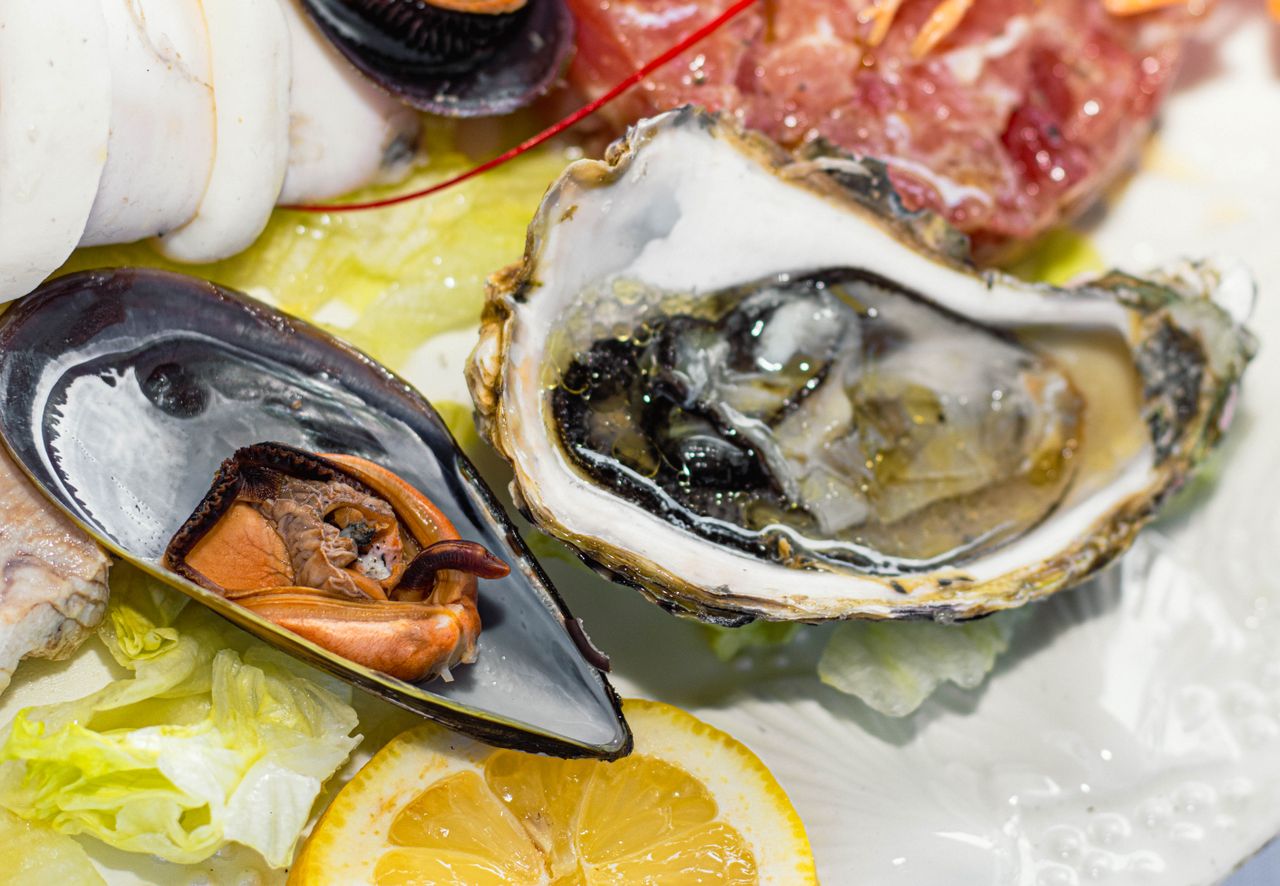
The Washington State Department of Health (DOH) is warning residents and visitors not to harvest or consume recreational shellfish from Hood Canal after laboratory testing detected lethal levels of paralytic shellfish poison (PSP) in shellfish samples collected near Union, as well as high levels in surrounding areas.
Therefore, all recreational shellfish harvesting is closed in Hood Canal from Foulweather Bluff and Port Ludlow Bay south, including Port Gamble Bay, Quilcene Bay, Dabob Bay and Mats Mats Bay. The closure applies to clams, oysters, mussels, scallops and other molluscan shellfish species. Crab and shrimp are not included in the closure.
Mason, Kitsap and Jefferson County authorities have posted warning signs at public beaches throughout the affected areas.
The DOH also is urging recreational shellfish harvesters to take extra precautions when collecting oysters during the coming days as high temperatures coincide with the lowest tides of the year.
Health officials said warm weather and low tides can create conditions that allow Vibrio parahaemolyticus bacteria to grow rapidly in oysters, increasing the risk of illness from eating raw or undercooked shellfish.
To reduce the risk of illness, the Department of Health recommends following the “Three Cs” when harvesting shellfish:
- Check: Review the Department of Health’s shellfish safety map and harvest only from approved, open beaches.
- Chill: Bring a cooler with ice and refrigerate oysters or place them on ice as soon as possible after harvest.
- Cook: Cook oysters to an internal temperature of 145 degrees Fahrenheit for at least 15 seconds to kill Vibrio bacteria.
Each year, health officials receive reports of vibriosis linked to raw or undercooked oysters harvested by recreational shellfish gatherers. Symptoms can include diarrhea, abdominal cramps, nausea, vomiting, headache, fever and chills.
Anyone who believes they became ill after eating shellfish should contact their local health department or submit a report through the state’s Foodborne Illness Reporting System.


Real first and last names — as well as city of residence — are required for all commenters.
This is so we can verify your identity before approving your comment.
By commenting here you agree to abide by our Code of Conduct. Please read our code at the bottom of this page before commenting.